




Quirky Compact Charm
The 1970s ushered in an era where automotive design started to embrace quirkiness and efficiency, largely due to the economic and regulatory landscapes.
Amidst these changes, the AMC Gremlin emerged as a distinctive and compact vehicle. Its design was somewhat unconventional, standing out with its compact proportions and a distinctive rear end that some found unusual but others adored. This affordability and unique styling resonated with a public increasingly mindful of fuel consumption, quickly cementing its status as a beloved, albeit niche, favourite of the decade. It represented a bold departure from traditional automotive norms, proving that smaller, more affordable cars could also possess a unique character and appeal, making it a memorable icon of a period focused on practicality without sacrificing individuality.
Sporty Elegance Evolved
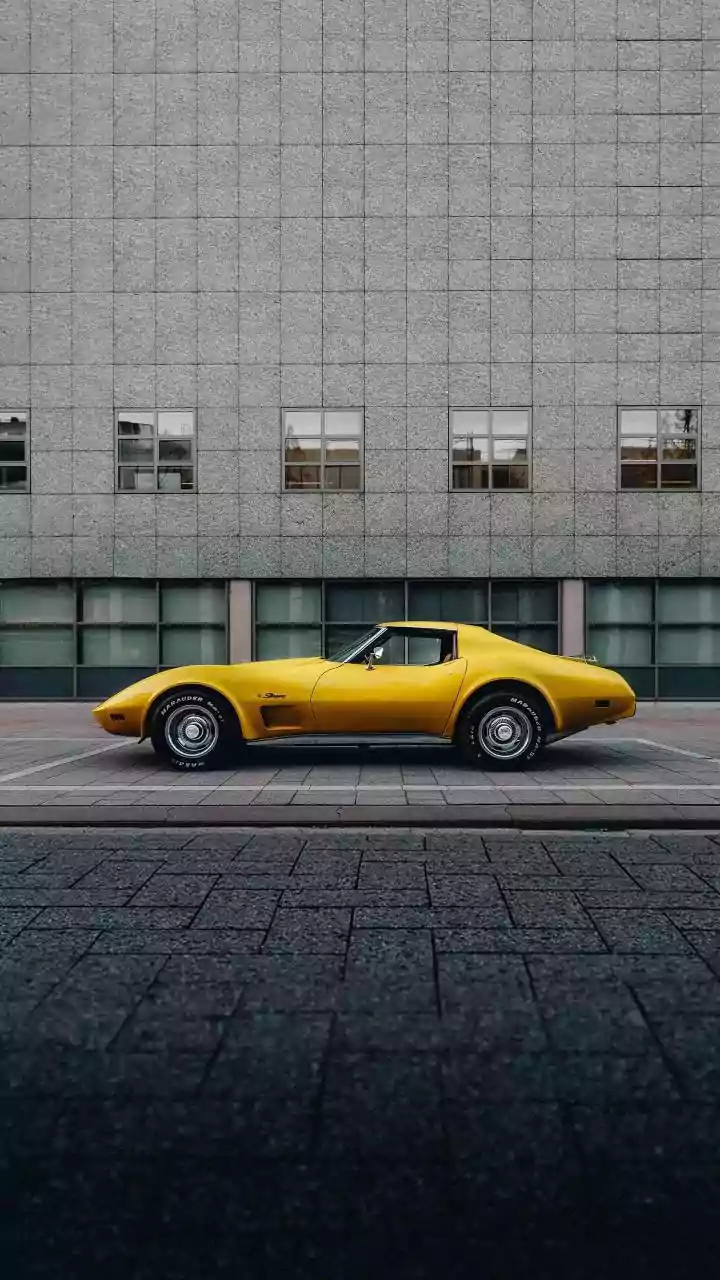
Representing the pinnacle of sporty elegance during the 1970s, the Chevrolet Corvette C3 captivated with its flowing, muscular lines and iconic pop-up headlights. Even as new regulations began to impact engine performance and overall power, the Corvette C3’s enduring visual appeal and desirable sports car image remained undiminished. Its sleek silhouette and athletic stance continued to draw admiration, ensuring its place as a beloved classic. The car managed to maintain its allure by focusing on its striking aesthetics and the driving experience it offered, proving that style and a sense of performance could still triumph over raw power limitations, making it a consistent crowd-pleaser throughout the decade and beyond.
Personal Luxury Defined
The Chevrolet Monte Carlo skillfully navigated the burgeoning trend of 'personal luxury cars' in the 1970s, offering a compelling blend of robust performance and refined comfort. This vehicle successfully combined the muscle car aesthetic that many yearned for with the sophisticated amenities expected in a higher-end automobile. It provided drivers with a sense of indulgence and personal space, making it an ideal choice for those seeking a car that was both enjoyable to drive and a pleasure to own for everyday journeys or longer trips. Its balanced approach to design and engineering made it a prominent and popular option within its segment, embodying the era's aspiration for cars that offered both character and a touch of opulence.
Japanese Sports Car Revolution
The Datsun 240Z fundamentally reshaped the sports car market with its arrival, offering a potent combination of exhilarating performance and accessible pricing. This vehicle was instrumental in showcasing the burgeoning capabilities of Japanese automakers on a global scale. Its arrival challenged established manufacturers by delivering a stylish, agile, and powerful car that was significantly more affordable than many of its European counterparts. The 240Z quickly garnered a devoted following, proving that high-performance vehicles could be attainable for a wider audience. Its success was a pivotal moment, paving the way for future Japanese automotive innovations and solidifying the brand's reputation for quality and value in the competitive international market.
America's Best-Seller
By the mid-1970s, the Oldsmobile Cutlass had ascended to become America's top-selling car, a testament to its widespread appeal and successful formula. This remarkable achievement was largely due to its adept balance of key attributes that resonated with a broad spectrum of car buyers. It masterfully combined a comfortable and accommodating ride with a stylish exterior and a reputation for dependable operation. This blend of practicality, appealing aesthetics, and reliability made it a consistent choice for families and individuals alike, cementing its status as a dominant force in the automotive landscape of the era. Its widespread popularity underscored a public desire for vehicles that offered a complete package of comfort, style, and trustworthy performance.
Muscle Car Icon Returns
The Pontiac Firebird Trans Am re-emerged in the 1970s as an undeniable emblem of American muscle and bold attitude, leaving an indelible mark on automotive culture. Its distinctive and aggressive styling, often accompanied by the famous 'screaming chicken' hood decal, made it instantly recognisable. Beyond its visual presence, the Trans Am's significant presence in popular culture, particularly through film and television, propelled it to legendary status. It captured the spirit of power and individualism that many associated with American automotive engineering, becoming one of the decade's most sought-after and talked-about vehicles. The car represented a potent mix of performance heritage and modern flair, ensuring its place in the pantheon of iconic 70s automobiles.