







The Screenless Shift
The world of fitness technology is witnessing a significant evolution, moving beyond the traditional screen-dominated smartwatches. A major technology corporation
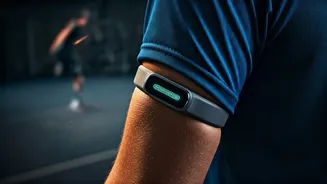
is reportedly developing a new category of wearable device, focusing on a screenless design. This innovative approach draws inspiration from existing players who have already carved out a niche by prioritizing functionality over visual display. The aim is to provide users, particularly athletes and fitness enthusiasts, with continuous, in-depth tracking of their physical performance without the distraction of a screen. This strategic direction suggests a growing recognition that the future of fitness tracking might lie in capturing and analyzing data more comprehensively, offering actionable insights directly to the user or their connected devices.
Performance Metrics Elevated
The forthcoming screenless wearable is anticipated to offer functionalities akin to those provided by pioneering companies in the field. These devices are designed for round-the-clock activity monitoring, meticulously gathering a wealth of performance metrics. Users can expect detailed data related to their exertion, recovery, sleep patterns, and overall physiological responses to training. The focus is on translating this raw data into meaningful insights that can aid in optimizing athletic performance and promoting better health management. This approach differentiates itself from typical fitness trackers, which often emphasize step counts and basic activity logs, by delving deeper into the nuances of an individual's physical condition and training efficacy.
Valuation and Innovation
The burgeoning market for advanced fitness wearables has recently seen a remarkable demonstration of investor confidence. One prominent company in this space, known for its subscription-based, screenless approach to health monitoring, has achieved a substantial valuation of $10.1 billion. This impressive figure was bolstered by a recent funding round, securing $575 million. The investment signifies a strong belief in the company's model and its potential for expansion, particularly into broader healthcare and medical applications. This significant financial milestone underscores the growing demand for sophisticated health-tracking technologies that offer personalized and actionable data.
Different Devices, Different Users
It's becoming increasingly clear that the fitness wearable landscape caters to diverse user needs and preferences. While devices with screens, like smartwatches, offer a broad range of applications and immediate data visualization, screenless wearables present a distinct alternative. These alternatives concentrate on delivering detailed physiological insights, focusing on recovery and performance optimization. They are designed for individuals who seek a more focused approach to understanding their body's signals. The success of both types of devices highlights a market segmenting into users who prioritize comprehensive connectivity and information at a glance versus those who seek deeper, data-driven analysis for enhanced training and well-being.