
Initial Inspiration
The genesis of this grain-free sandwich bread lies in a simple quest: the search for a truly enjoyable grain-free bread. The author, having tried several
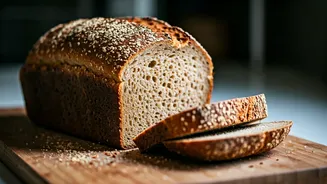
recipes without complete satisfaction, decided to create their own. This involved combining elements from different existing recipes and making adjustments. The ultimate goal was to produce a bread that was both palatable and met specific dietary needs, such as being gluten-free, dairy-free, and paleo-friendly. The resulting recipe aims to fill the gap in the market for a sandwich bread that doesn't compromise on taste or texture, offering a viable alternative to conventional wheat-based options. The bread, when baked in a regular loaf pan, produces a shorter loaf, about 2 inches high, but it's still suitable for toasting or enjoying plain with toppings. The texture is a departure from traditional wheat flour breads, yet the recipe creator and their family found it appealing, and they hoped others would, too. The recipe combines a few different recipes and adapts them to create something original.
Recipe Ingredients
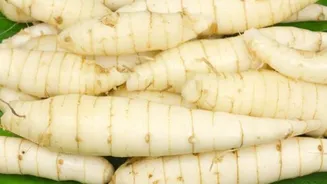
The recipe starts with dry ingredients, comprising 3/4 cup of sifted coconut flour, 1/2 cup of flaxseed meal, 1/2 cup of ground almonds, and 1/2 cup of arrowroot powder. Next, 1 tsp. of salt and 2 tsp. of baking powder are added, providing the necessary leavening and flavor enhancements. The wet components are then introduced: 1/2 cup of applesauce, 1/4 cup of melted butter (or oil), 6 eggs, and 2 Tbsp. of honey, which is optional. Sesame seeds are also listed as an optional ingredient to sprinkle on top. These ingredients, when combined in the correct proportions, create the foundation for a grain-free bread that caters to various dietary preferences and needs. Note that the author had once forgotten to include honey and actually enjoyed the result even more.
Baking Instructions
The method involves preheating the oven to 350 degrees. Next, the dry ingredients must be combined in a bowl. Then, the applesauce, butter (or oil), eggs, and honey are added, and the mixture is thoroughly combined using either a hand mixer or a stand mixer. After mixing, the batter is poured into a greased loaf pan, or, for smaller loaves, into two small loaf pans, with the sides of the pan greased with butter. Sesame seeds can be sprinkled on top of the batter as desired. The bread should then be baked at 350 degrees for 35 to 40 minutes, or until a knife inserted into the center comes out clean. Once baked, the bread is allowed to cool completely before being stored. The author stores the bread in the fridge, but does not know if that is necessary for preservation.
Recipe Variations
The recipe offers flexibility regarding ingredients, accommodating different dietary needs and preferences. The author states that the honey can be omitted without significantly affecting the final product's quality, which suggests that the recipe offers room for customization. The bread can be made in different size loaf pans. The author also notes that in one of the comments, someone replaced the applesauce with more oil, and it seemed to work, encouraging experimentation. The recipe's adaptability makes it versatile for a variety of users. There are a number of comments discussing different substitutions like almond flour for arrowroot and chia seed gel for arrowroot.
Additional Tips
The recipe includes a note regarding the pan size. The loaf in the photograph was made in a smaller loaf pan, measuring 5″ x 2 1/4″ x 2″. Readers are also advised to let the bread cool completely before storing, which helps in setting the texture and preserving the bread. The inclusion of optional sesame seeds offers a way to improve the aesthetic appeal and taste. The comment section has numerous comments that offer additional tips and adaptations. It is important to note that the baking time can be changed, based on the oven and the size of the pan. The author mentions that different climates can have an effect on gluten-free baking.