





The Milk Dilemma
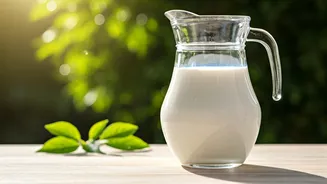
Milk, a cornerstone of Indian kitchens, is facing increasing scrutiny regarding its safety and purity. While historically viewed as an inherently safe and nutritious
food, current realities reveal a more complex picture. The Food Safety and Standards Authority of India consistently identifies milk as one of the most frequently adulterated food items. This adulteration goes beyond mere dilution; it involves the addition of harmful substances like water, starch, detergent, and synthetic compounds. These contaminants not only diminish the milk's nutritional value but can also cause significant digestive distress, disrupt gut health, and hinder nutrient absorption. This poses a particular threat to vulnerable populations such as infants and the elderly, who rely heavily on milk for essential nourishment. The multifaceted nature of milk safety means it's influenced by a chain of practices, from initial collection to final delivery.
From Farm to Table
Ensuring milk's safety involves a rigorous process at every touchpoint, extending from the moment it's collected from the source until it reaches your doorstep. Crucial factors include maintaining impeccable hygiene during the milking process, strictly controlling temperatures throughout storage and transportation, and ensuring the integrity of the entire supply chain. Pasteurisation plays a vital role in eliminating harmful bacteria, but its effectiveness is compromised if the cold chain is broken or if handling procedures are not adhered to meticulously. Experts emphasize that along with stringent production standards, consumer vigilance is equally important. Essential habits include scrutinising packaging for quality, checking for official certification marks, and always verifying expiry dates. The push towards transparent supply chains and advanced testing technologies is instrumental in rebuilding consumer trust, underscoring a shared responsibility between producers and consumers.
Health Implications
From a medical perspective, the significance of milk safety is profound. When milk is sourced and processed correctly, it remains an invaluable component of a healthy diet, offering substantial protein, calcium, and vital vitamins like B12 and D, which are crucial for bone health and metabolic functions. However, adulterated milk can transform from a nourishing substance into a health hazard. Additives such as detergents, urea, or starch can lead to severe health issues, ranging from acute digestive problems to long-term organ damage and toxicity. Children, pregnant women, and the elderly are especially susceptible to these risks. It's also vital to distinguish between raw and pasteurised milk. While raw milk can harbour dangerous bacteria if not handled with extreme care, pasteurised milk offers a significantly higher level of safety. The misconception that 'fresh' inherently equates to 'safe' can be dangerously misleading.
Consumer Empowerment
In light of these concerns, the everyday consumer finds themselves playing a more active role in ensuring milk safety than ever before. Purchasing milk is no longer a simple, routine transaction; it requires a conscious effort to scrutinise and verify. Key steps include selecting milk from trusted brands known for their commitment to quality, ensuring that the milk is consistently refrigerated properly, and paying close attention to packaging details and expiration dates. These seemingly small actions are, in fact, crucial for safeguarding health. Informed trust, rather than blind faith, is the new standard. This shift reflects a broader understanding that in modern food systems, safety isn't a given; it's a result of diligent management, encompassing better regulatory oversight, technological advancements, and increased consumer awareness.