




Myth vs. Reality
There's a persistent belief, especially strong in Indian households, that frequent haircuts can accelerate hair growth. However, dermatologists and hair experts
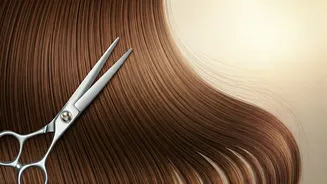
clarify that hair growth originates from the scalp, not the ends. Therefore, cutting hair doesn't directly influence how quickly it grows. The primary benefit of regular trims lies in their ability to prevent damage from escalating. When split ends are ignored, they can travel up the hair shaft, leading to breakage. This damage can make hair appear thinner and shorter over time, despite healthy growth at the root. Strategic trims help preserve the thickness of your hair's ends and minimize breakage, creating the illusion of fuller, longer hair by maintaining its overall health and appearance.
Skipping Trims Backfires
While it might seem counterintuitive, avoiding haircuts for extended periods can actually hinder your progress towards longer hair. In environments like India, hair is constantly exposed to various damaging elements such as intense sun, dust, sweat, and frequent use of styling tools. This cumulative exposure leads to dryness and the development of split ends, which weaken the hair strands. Consequently, while hair may continue to grow from the scalp, the overall length retention suffers significantly due to increased breakage, uneven strands, and a dull, rough texture. This compromises the appearance of length and can slow down your journey to achieving your desired hair length.
Ideal Trimming Schedules
The ideal frequency for trims varies based on your hair goals. If you're actively trying to grow your hair out, experts recommend a trim every 8 to 12 weeks. This allows for healthy end maintenance without sacrificing significant length. For those maintaining specific styles, like layers or bobs, trims every 6 to 8 weeks are necessary to preserve the haircut's shape and structure. Individuals with bangs or fringes will need more frequent trims, typically every 3 to 4 weeks, as they grow out quickly and lose their defining look faster. Hair that has been chemically treated, colored, or frequently subjected to heat styling also benefits from trims every 6 to 8 weeks to manage and prevent further damage.
Considerations for Indian Hair
Indian hair types, often characterized by their thickness, wave patterns, or curl, are particularly susceptible to dryness and frizz, especially in humid conditions. Curly hair, due to its inherent structure, tends to develop split ends more rapidly, making regular trims an even more critical part of its care regimen. Furthermore, common practices such as frequent oiling, tight hairstyles, and the use of heat styling tools can place additional stress on the hair shaft. These factors collectively increase the need for maintenance trims to keep Indian hair healthy and resilient.
Between-Trim Haircare
It's essential to understand that trims alone are not a magic bullet for achieving longer hair. A consistent and comprehensive haircare routine is equally vital. Key practices include selecting a shampoo tailored to your scalp type, conditioning regularly to combat dryness, and minimizing the use of heat styling tools or always applying heat protectants. Incorporating weekly deep-conditioning treatments can provide intense nourishment. Additionally, protecting your hair from environmental aggressors is crucial. By adhering to these practices, you support overall hair health, ensuring that the length you retain is strong and vibrant.