


The Moisture Theory Explained
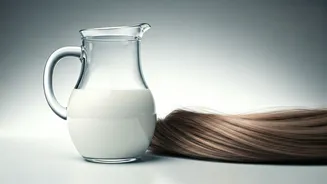
The prevalent 'moisture theory' suggests that keeping hair well-hydrated is the key to faster growth and improved health. The underlying idea is that dry
hair is inherently fragile, prone to snapping and damage, whereas moist hair is more supple and resilient. Consequently, if hair doesn't break off as frequently, it naturally appears to grow longer over time. However, it's crucial to distinguish between the *appearance* of growth and the actual biological process. While keeping hair hydrated significantly contributes to maintaining length by minimizing damage, it doesn't biologically accelerate the rate at which hair grows from the scalp.
How Hair Actually Grows
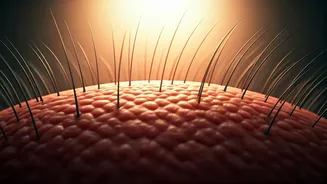
Understanding the reality of hair growth requires looking beyond the visible strands. Hair growth originates from the follicles embedded within the scalp, a process largely dictated by internal factors. Your genetic makeup plays a significant role in determining your hair's natural growth rate and pattern. Furthermore, hormonal balance and your overall nutritional intake profoundly influence hair development. Essential vitamins and minerals absorbed from your diet are vital for healthy follicle function. Therefore, external treatments applied to the hair shaft, such as oils or masks, cannot directly stimulate growth from the root. The true drivers of hair growth are internal biological processes.
Moisture's Role in Hair Health
When hair lacks adequate moisture, its structure becomes compromised, much like dry fabric becoming brittle. This dryness leads to increased tangling, making the hair difficult to comb through and increasing the likelihood of breakage during styling. Split ends can also form more rapidly, and the overall appearance becomes dull and lifeless. Conversely, properly moisturised hair exhibits enhanced manageability, significantly reduces breakage, and helps keep the ends in better condition. The hair appears shinier and more vibrant, contributing to a healthier look. Essentially, moisture acts as a protective shield, preventing the deterioration that can hinder length retention.
The Science of Strand Strength
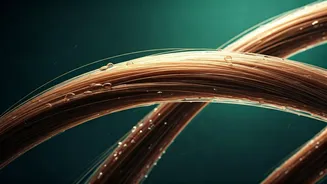
At a microscopic level, each hair strand is covered by an outer protective layer known as the cuticle. In a dry state, these cuticles tend to lift and separate, leaving the hair shaft rough, vulnerable, and prone to damage. Introducing moisture helps to flatten the cuticle layers, creating a smoother surface. This smoother surface not only reduces friction between strands when they rub against each other but also significantly improves the hair's elasticity. Elasticity allows hair to bend and flex without snapping, making it more resilient to everyday manipulation like brushing, styling, or being tied up. Therefore, moisture is instrumental in maintaining the integrity of the hair shaft against environmental and mechanical stressors.
Why Length Retention Seems Faster
The common perception that moisture leads to faster hair growth often stems from a misunderstanding of length retention. Hair naturally grows at a rate of approximately 1 to 1.5 cm per month. If hair is prone to breakage, much of this growth is lost before it can be noticed. When a consistent moisturizing routine is implemented, hair experiences significantly less breakage and fewer split ends. This improved resilience means more of the hair's natural growth is retained. As a result, the hair appears to grow faster, not because the growth rate from the root has increased, but because the existing length is being preserved more effectively.
Defining Hair Moisture
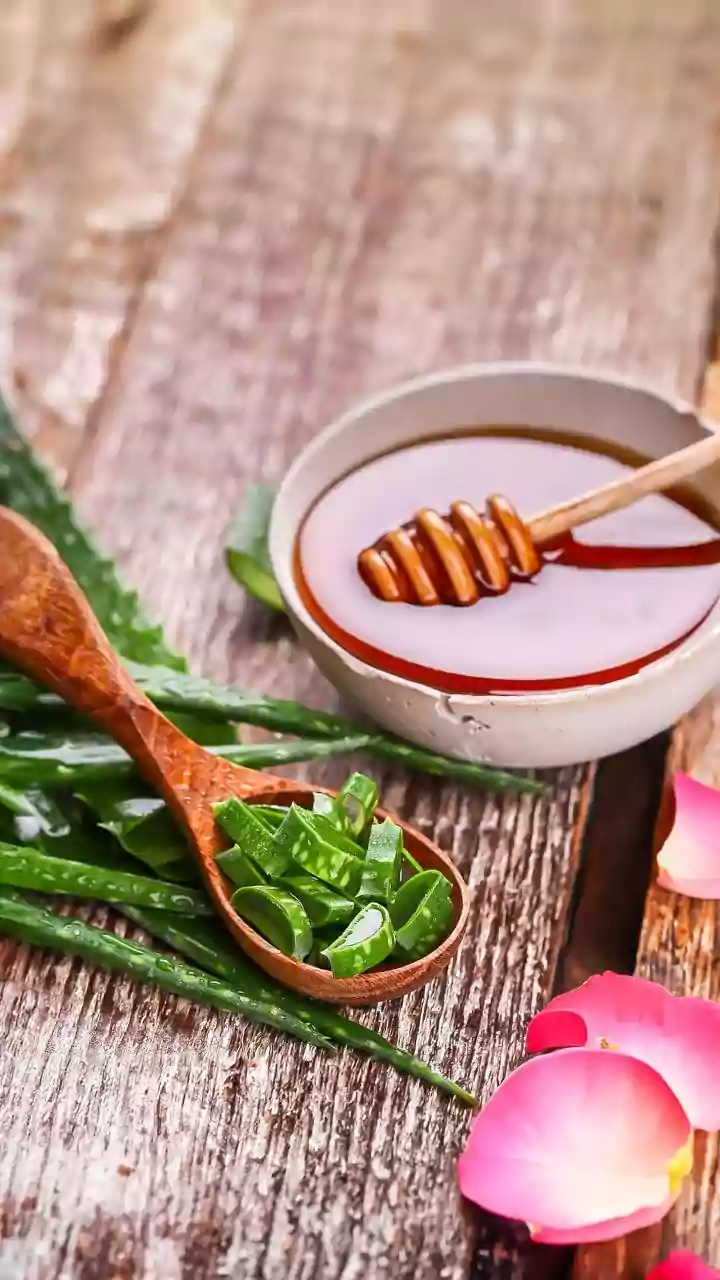
It's a common misconception that 'oils' are the sole source of hair moisture. While oils play a vital role in sealing in hydration, true moisture primarily comes from water. Other beneficial elements include humectants, such as glycerin or aloe vera, which actively draw moisture from the atmosphere into the hair shaft. Conditioners also contribute by softening the hair and helping to replenish lost moisture. Therefore, an effective hair care strategy typically involves first applying hydrating ingredients (like water-based products or humectants) and then using oils or emollients to seal that moisture in. Simply applying oil to dry hair without first adding hydration is akin to closing an empty container.
Signs Your Hair Needs Moisture
Several tell-tale signs indicate that your hair is craving moisture. A rough and dry texture is a primary indicator, often accompanied by persistent tangling that makes detangling a difficult task. The premature appearance of split ends is another red flag, suggesting the hair shaft is too weak to maintain its integrity. Hair that looks dull and lacks shine, appearing lifeless, often signals a deficit in moisture. Furthermore, if your hair feels brittle and snaps easily when brushed or handled, it's a clear sign of dryness. These symptoms don't necessarily mean your hair has stopped growing, but rather that it's failing to retain the length it's already achieved due to a lack of hydration.
Simple Moisture Solutions
Achieving adequate hair moisture doesn't necessitate a complex or expensive regimen. Simplicity is often key. A fundamental step is to consistently use a conditioner every time you wash your hair, replenishing moisture lost during cleansing. If your hair tends to feel dry, incorporating a leave-in conditioner can provide ongoing hydration throughout the day. Employing natural oils after hydrating products helps to lock in moisture, preventing it from evaporating. It's also important not to overwash your hair, as excessive cleansing can strip away natural oils and moisture. Finally, be exceptionally gentle with your hair's ends, as they are the oldest and most fragile parts. Consistency in these basic practices is far more impactful than sporadic use of fancy treatments.
What Moisture Won't Do
While moisture is critical for hair health and length retention, it's essential to manage expectations. Hydration does not alter the fundamental biological rate at which your hair grows from the root. It cannot magically reverse hair loss caused by hormonal imbalances or genetic predispositions like baldness. Similarly, don't expect dramatic overnight transformations solely from moisturizing. Claims of '2x hair growth with hydration' should be approached with skepticism, as they often oversimplify the complex factors involved in hair growth. Moisture empowers your hair to retain length, but it doesn't fundamentally change the internal mechanisms of hair production.
The True Takeaway
The 'moisture theory' is not incorrect, but its popular interpretation often misses the mark. Moisture doesn't accelerate the physiological growth of hair from the follicle. Instead, its profound benefit lies in fortifying the hair strands, making them strong enough to withstand daily wear and tear. This strength is what allows you to retain the length your hair naturally grows. In essence, maintaining healthy, moisturised hair is about preventing the loss of growth. The goal shouldn't be to chase unrealistic growth rates but to focus on reducing damage, nurturing overall hair health, and practicing consistency. Your hair is already growing; the real achievement is ensuring it stays around long enough to be seen and enjoyed.