



Physician-Approved Palate
Emperor Akbar's meals were far from ordinary; they were meticulously crafted by royal physicians, known as hakims. These learned individuals were responsible
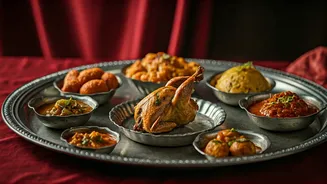
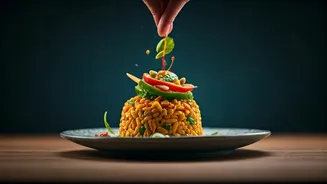
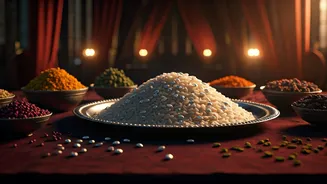
for selecting ingredients not just for taste, but primarily for their purported health benefits. This emphasis on medicinal properties meant that every dish served was intended to contribute to the Emperor's well-being. For instance, a remarkable detail from a Homegrown report, citing food historian Salma Hussain, reveals that even the grains of rice used in biryani were coated with silver oil. This practice was believed to aid digestion and even act as an aphrodisiac. The entire process of food preparation and delivery was overseen by a strict hierarchy of eunuchs, ensuring that the health-focused menus were executed with precision and adherence to the hakims' prescriptions. This integration of medicine into everyday dining highlights a sophisticated understanding of nutrition and a commitment to the Emperor's physical health, setting a precedent for how food could serve multiple purposes beyond mere sustenance.
Pampered Poultry & Regal Roses
The welfare of the food itself, especially proteins, was paramount in Akbar's royal kitchens, ensuring peak flavour and purity. According to Colleen Taylor Sen's 'A History of Food in India,' the palace chickens were treated with an almost human level of care. These birds were hand-fed a special diet of pellets infused with saffron and rosewater. Furthermore, they underwent daily massages using musk oil and sandalwood. This elaborate pampering was aimed at enhancing their meat's quality and flavour, making them a truly regal delicacy. The sheer scale of the operation was immense, with over 400 cooks, a blend of Indian and Persian culinary experts, supported by tasters, clerks, and a dedicated storekeeper. Even something as basic as keeping drinks cool was a feat of logistical ingenuity, involving couriers relaying ice from the distant Himalayas. This ice would then be used to chill beverages served in opulent gold and silver dishes, often wrapped in cloth to preserve the temperature, showcasing a luxurious yet practical approach to royal refreshment.
Vegetarian Vows & Sacred Sips
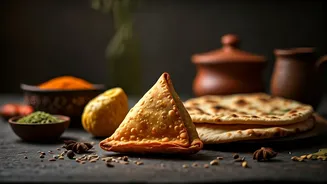
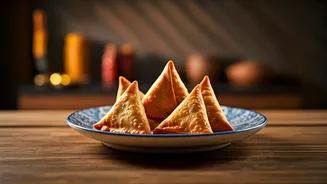
Emperor Akbar observed specific religious and personal practices that significantly influenced his diet. Notably, he abstained from meat on three days of each week, embracing a vegetarian lifestyle. This commitment to vegetarianism reflected a broader respect for various faiths and traditions within his empire. His dedication to purity extended to his drinking water, as he exclusively consumed Ganga water, considered sacred by Hindus. Salma Hussain also shared insights into his personal involvement in food preparation, mentioning that Akbar cultivated his own kitchen garden. He would sometimes tend to his vegetables by watering them with rosewater, a peculiar yet aromatic practice intended to enhance their fragrance when cooked. The royal menu itself was diverse and celebrated a range of dishes, including popular items like sanbusas (samosas), saag (spinach cooked with ghee and spices), harisa and halim (hearty meat and lentil preparations), yakhni stew, and whole roasted lambs, as documented in 'The Empire of the Great Mughals.' Crucially, he banned beef consumption to demonstrate profound respect for his Hindu and Jain subjects, fostering an inclusive dining environment.
Fortified Feasts: Security First
The constant threat of assassination by poisoning cast a long shadow over imperial dining, a fear amplified by historical accounts like Babur's severe vomiting episode. Akbar's administration implemented an incredibly stringent security protocol to safeguard his meals. This multi-layered system involved a vast team, including cooks, bakawals (butchers/food preparers), and the Mir-Bakawal (chief overseer of the kitchen). Every single item, from the main courses to seemingly minor accompaniments like bread and pickles, underwent thorough tasting by designated individuals before reaching the Emperor. Dishes were sealed with the Mir-Bakawal's mark, and clerks meticulously maintained detailed records of all food served. The food was transported to the table under protective cloth covers and served on carpeted floors to minimize contamination. Even at the final moment, the Mir-Bakawal would taste the food again just before Akbar began his meal, often serving him curds first and setting aside a portion for mendicants, ensuring transparency and trust in the safety of his sustenance.
Mughlai Legacy: Enduring Flavours
The culinary innovations and practices established during Emperor Akbar's reign have left an indelible mark on modern Indian cuisine, particularly Mughlai food. Many of the beloved dishes we enjoy today can trace their origins back to the elaborate royal kitchens of the Mughal era. Iconic dishes like fragrant biryanis and flavorful samosas are direct descendants of the elaborate preparations served to the Emperor. Rich stews and other complex meat and lentil dishes also continue to be popular, echoing the sophistication of Akbar's meals. Guided by the wisdom of hakims who prioritized health, influenced by diverse faiths, and enriched by a fusion of Persian and Indian culinary traditions, Akbar's dining habits created a legacy. This legacy continues to define what is considered indulgent and refined Indian dining, proving that the food of emperors still influences our everyday feasts and celebrations, connecting us to a rich historical tapestry through taste and tradition.