
Oral Hygiene's Heart Link
The routine act of brushing your teeth before sleep extends its importance far beyond preventing tooth decay. Recent insights from Dr. Kunal Sood, an anesthesiology
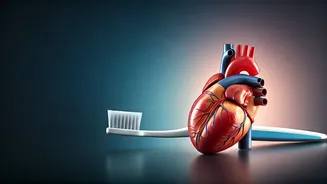
and interventional pain medicine physician, highlight a significant connection between neglecting nightly oral care and an increased risk of cardiovascular issues. He emphatically supports the notion that foregoing this habit could indeed elevate your chances of developing heart disease. While not a direct cause, poor oral hygiene emerges as a contributing factor among many that can lead to cardiovascular problems. This isn't just about avoiding cavities; it’s about safeguarding your heart. Studies now indicate a correlation between inadequate dental hygiene and a higher incidence of heart disease and heart failure, underscoring the critical timing of our oral care routines. The underlying theory suggests that oral bacteria can migrate into the bloodstream, initiating an inflammatory response that, over time, may affect heart health. Therefore, maintaining a diligent oral hygiene practice is presented as a crucial, yet often overlooked, element in supporting cardiovascular wellness.
Bacteria's Inflammatory Pathway
When your nightly brushing routine is skipped, a breeding ground for plaque and bacteria forms in your mouth. Dr. Jagadish Hiremath, a public health advocate, explains that these accumulated microbes release toxins. These harmful substances can then enter your circulatory system, setting off a body-wide inflammatory cascade. This chronic inflammation, Dr. Hiremath elaborates, can gradually damage the delicate inner lining of your blood vessels. This damage contributes to the formation of atherosclerotic plaques, effectively narrowing and hardening your arteries. Consequently, this process significantly heightens the risk of experiencing various cardiovascular ailments. It’s crucial to understand that not everyone exhibiting poor oral hygiene will inevitably develop heart disease. However, the consistent maintenance of oral cleanliness plays a vital role in mitigating this pervasive inflammation, thereby offering substantial support to your overall heart health.
Integrating Oral Care Routines
Assessing your comprehensive cardiovascular risk involves looking at several key health indicators and lifestyle choices. Factors such as blood pressure readings, cholesterol levels, blood sugar management, a family history of heart conditions, and habits like diet, physical activity, and smoking are all pertinent. Within this broader health spectrum, diligent oral care emerges as a critical component for risk reduction. By actively preventing gum disease and minimizing inflammation within the mouth, you contribute positively to your cardiovascular well-being. Dr. Hiremath emphasizes that incorporating regular tooth brushing, daily flossing, and consistent dental check-ups into your routine complements other heart-healthy practices. These habits work synergistically by addressing a significant contributing factor to cardiovascular problems. Visiting your dentist for routine cleanings and promptly addressing any early signs of gum issues are essential steps in maintaining both optimal oral health and a robust heart.
Practical Tips for Busy Lives
For individuals navigating demanding schedules, establishing and maintaining consistent oral hygiene practices is paramount. Dr. Hiremath suggests that brushing for a full two minutes, at least twice daily, forms the foundation. Additionally, incorporating a brief brushing session after lunch can further enhance cleanliness. Before retiring for the night, using dental floss or interdental brushes is highly recommended to dislodge plaque that toothbrushes might miss. To ensure hygiene isn't overlooked, he advises keeping a travel-sized toothbrush and toothpaste readily accessible at work or in one's bag. Furthermore, scheduling regular dental appointments every six months is key. These check-ups allow for the early detection and management of oral health issues, ensuring long-term well-being without becoming an overwhelming burden on a busy lifestyle.