




Supply Chain Dynamics
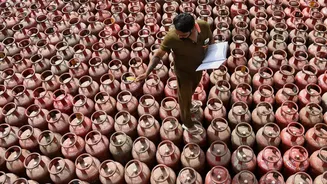
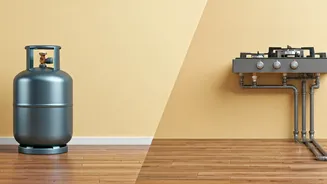
The way cooking gas reaches your home fundamentally separates LPG and PNG. LPG arrives in bulky cylinders, requiring periodic bookings and deliveries managed
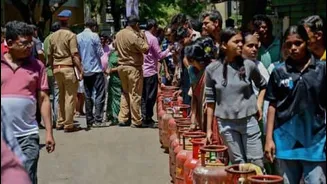
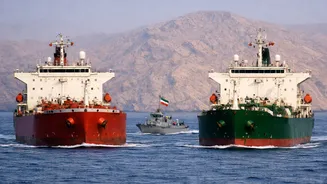
by a network of dealers. This system, while familiar, is susceptible to disruptions, as India has recently experienced due to global energy market volatilities, particularly affecting shipping routes like the Strait of Hormuz. Conversely, PNG is delivered continuously through an extensive network of underground pipelines, directly connecting to kitchens. This integrated infrastructure makes PNG users significantly less vulnerable to international supply chain shocks, ensuring a more consistent flow of gas irrespective of geopolitical tensions. The reliance of LPG on transportation and import routes contrasts sharply with PNG's localized, pipeline-driven delivery, highlighting a key differentiator in supply security.
Import Dependence & Security
India's significant reliance on imported LPG contributes to its supply chain vulnerability. While domestic production exists, it falls considerably short of the nation's demand. For instance, in 2024–25, LPG consumption was projected at around 31.3 million tonnes, with domestic output only covering about 12.8 million tonnes. This substantial import requirement means a large portion of LPG supply is tied to maritime routes, primarily from the Gulf region, which are inherently prone to disruptions caused by conflicts or shipping incidents. This dependence amplifies the impact of global energy market instability on the availability and price of LPG for Indian households. PNG, on the other hand, benefits from its integration into broader city gas distribution networks, which are less dependent on long-distance international transport, thereby offering a more stable and secure energy source for domestic cooking.
Operational Differences
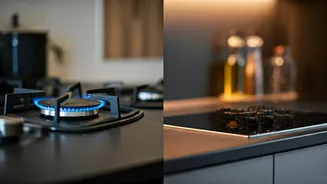
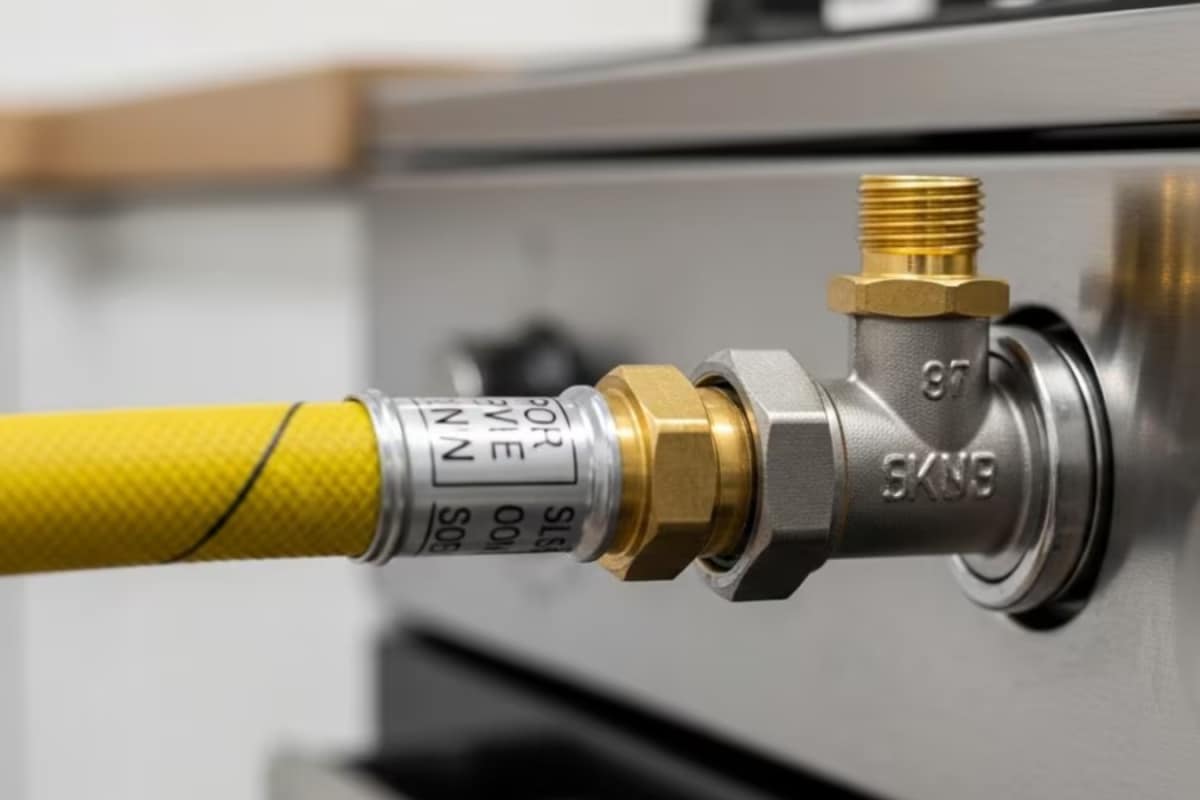
The user experience with PNG is distinctly different from LPG, primarily due to its continuous supply method. Unlike LPG cylinders which need to be refilled periodically, PNG flows directly into homes via underground pipelines and is measured through a meter. This eliminates the need for users to actively manage cylinder replacements, arrange bookings, or worry about running out of gas mid-meal. Billing for PNG is typically based on actual consumption, similar to electricity or water, which offers greater transparency and control over expenses. This metered, on-demand delivery system for PNG contrasts with the batch-based, cylinder-exchange model of LPG, offering a more convenient and potentially cost-predictable option for households that are connected to a PNG network.
Safety Considerations
Safety is a crucial aspect where LPG and PNG diverge significantly, influencing how potential hazards are managed in kitchens. LPG, stored under high pressure within cylinders, is denser than air. Consequently, if a leak occurs in a poorly ventilated area, the gas can accumulate near the floor, posing a higher risk of ignition. PNG, predominantly methane, is lighter than air. In the event of a leak, it tends to disperse upwards more rapidly into the atmosphere. While neither fuel is entirely risk-free, this difference in density means that PNG leaks are generally considered easier to dissipate and less likely to form hazardous pockets at ground level. This characteristic contributes to a different profile of safety concerns and mitigation strategies for each fuel type.