






The Summer Lizard Surge
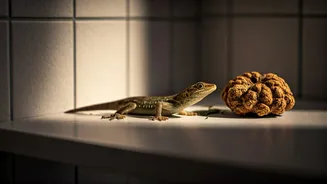
As India braces for summer heat and pre-monsoon humidity, our homes often transform into unexpected havens for small lizards. These agile creatures emerge
from their hiding spots, seeking warmer temperatures and an abundance of insects that thrive in such conditions. While they play a vital role in controlling mosquito and fly populations, their sudden appearances, chirps, and scuttling movements can cause significant distress and discomfort for many residents. The annual invasion, though often met with a mix of mild aversion and grudging acknowledgment of their ecological contribution, disrupts household peace. Fortunately, adopting proactive strategies before the peak season can significantly reduce instances of lizard intrusion and the need for harsh deterrents, offering a tranquil living space without resorting to harmful chemicals.
Eliminate Their Food Source
Lizards are primarily drawn to homes by the readily available insect population. Their diet consists mainly of common household pests like flies, ants, and mosquitoes. To effectively deter them, focus on cutting off this food supply. Maintaining a meticulously clean living space is paramount; this includes promptly wiping down kitchen counters after use, disposing of food scraps immediately, and ensuring all food is properly covered. Minimizing insect entry by keeping windows closed can also help. Furthermore, reducing artificial light sources, especially at night, can decrease the number of insects attracted to your home. By making your home less appealing to bugs, you indirectly make it less attractive to lizards, as per findings discussed in the CSR Journal.
Seal All Entry Points
A crucial step in preventing lizard entry is to meticulously inspect and seal potential entry points around your home. Lizards are adept at squeezing through surprisingly small openings. Pay close attention to any tiny cracks or gaps that may exist around door frames, window sills, and pipe penetrations. Utilizing materials like silicone sealant or weatherstripping can effectively close these vulnerabilities. Additionally, ensure that ventilation openings and any other potential access points are adequately covered to prevent these small reptiles from finding their way inside your living spaces.
Harness Natural Scents
Certain strong, pungent aromas act as natural repellents for lizards, making them an excellent and safe alternative to chemical deterrents. Ingredients commonly found in Indian kitchens, such as garlic and onions, possess powerful scents that lizards find highly unpleasant. Even pepper spray and eucalyptus oil can be effective. Simply placing cloves or slices of garlic and onion near doorways, windows, and in corners where lizards tend to frequent can create an aromatic barrier. This traditional 'desi' method provides a gentle yet effective way to keep these creatures at bay without any risk to your family or pets, offering a pleasant-smelling home for you and an unwelcoming environment for lizards.
Declutter and Illuminate
Lizards, much like many other creatures, seek out dark, secluded spots to hide and rest. Reducing clutter around your home significantly diminishes the number of available hiding places. Areas that are often overlooked, such as storerooms or spaces filled with old boxes and papers, become prime real estate for lizards. By organizing your belongings, discarding unnecessary items, and ensuring these areas are well-lit, you make them far less appealing for lizards to inhabit. Good illumination discourages them from settling in, thus making your home a less inviting environment for them to explore and occupy.
The Eggshell Stratagem
An age-old, incredibly simple, and widely popular 'desi' trick involves using discarded eggshells. The idea is that the scent emanating from the eggshells is unappealing to lizards. By scattering empty eggshells strategically around common entry points such as doors and windows, and in areas like kitchen corners where lizards are often spotted, you can create a deterrent. This method has gained substantial traction through word-of-mouth recommendations, cited in sources like Urvann, as a testament to its effectiveness and ease of implementation. It's a classic example of repurposing household waste into a practical solution for pest control.
Mesh and Yellow Lights
Implementing physical barriers and strategic lighting can significantly deter lizards. Installing fine wire mesh on doors and windows serves a dual purpose: it effectively prevents insects, which are a primary food source for lizards, from entering your home, thereby reducing the overall attraction. Simultaneously, this mesh helps keep mosquitoes out, contributing to a more comfortable living environment. Additionally, switching outdoor lighting from white to yellow bulbs can be beneficial. Insects are generally less attracted to yellow light, and since lizards follow their insect prey, this lighting choice indirectly helps keep them away from your home's perimeter.