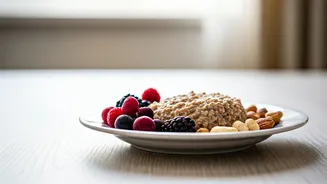








Diet During Pregnancy
The food choices a woman makes during pregnancy significantly affect her postpartum recovery. A diet rich in nutrients supports the body's needs throughout
pregnancy and lays the foundation for a healthier postpartum period. For instance, the article mentioned Parineeti Chopra's experience where many were surprised that she avoided junk food, emphasizing the potential impact of healthy eating during pregnancy. This approach may help minimize weight gain and establish a healthier base for postpartum weight management. Conversely, a diet laden with processed foods and lacking essential nutrients can make postpartum recovery more challenging. Therefore, making informed food choices can pave the way for a smoother journey back to a healthy weight after childbirth. This understanding underscores the importance of a well-balanced diet as a cornerstone of both maternal health and effective postpartum weight management, shaping the body's capacity to heal and adjust after delivery.
Postpartum Recovery Influence
How a woman eats during pregnancy has a direct impact on her recovery after giving birth. The nutrients consumed during pregnancy are critical for supporting both the mother's and the baby's health. A diet abundant in nutrient-dense foods will not only nourish the developing fetus but also assist the mother's body in preparing for the changes that occur after childbirth. This includes managing weight gain and ensuring the body has enough resources to heal from the physical demands of pregnancy and delivery. Conversely, a diet that lacks essential nutrients can make it harder for the mother to recover. It can lead to challenges in weight management and general health issues. The decisions regarding food made during those nine months have long-lasting effects on postpartum recovery, so eating a balanced diet is very important. This helps set the stage for a healthier transition back to a pre-pregnancy weight, supporting both the mother's health and her ability to care for her newborn. The food habits developed during this time shape the physical, emotional, and overall health of the new mother during the postpartum period.
Social Media’s Role
Social media platforms frequently display unrealistic portrayals of postpartum transformations, adding to the pressure on new mothers. These images often showcase rapid weight loss and quick returns to pre-pregnancy figures, which can be misleading and unattainable for many. The curated content rarely reflects the reality of the postpartum experience, which includes physical recovery, hormonal shifts, and the demands of caring for a newborn. This disparity can lead to feelings of inadequacy, stress, and anxiety for new mothers who may compare themselves to these unrealistic standards. It's crucial for women to approach these images with critical awareness. They should understand that achieving similar results is often time-consuming and involves professional support. Therefore, new mothers should prioritize their health and recovery over pursuing unrealistic ideals. This means focusing on balanced nutrition, gentle exercise, and sufficient rest. Recognizing the gap between social media depictions and real-life experiences enables women to embrace a more sustainable and healthy approach to postpartum recovery.
Weight Loss Timing
The timing of weight loss after delivery is crucial for a new mother's health and well-being. It's generally advised that women should wait until they have recovered from the physical demands of childbirth and established a comfortable breastfeeding routine, if applicable, before focusing intensely on weight loss. The body requires time to heal and adjust. This means prioritizing rest, proper nutrition, and caring for the newborn first. The postpartum period is a time of significant physical and emotional changes. Pushing the body too hard too soon can lead to setbacks in recovery, reduced energy levels, and potential complications. Focusing on overall health and well-being rather than immediate weight loss is essential. This can include light exercises like walking and eating nourishing foods that support both the mother's recovery and milk production. Therefore, delaying intense weight loss efforts until the body is ready and prioritizing holistic health allows women to navigate this phase more effectively. This will also ensure a healthy and sustainable approach to postpartum weight management.
Sustainable Strategies
Adopting a sustainable approach to postpartum weight loss is more beneficial than pursuing rapid results. Instead of restrictive diets or intense exercise programs, women should focus on lifestyle changes that they can maintain over the long term. This strategy includes a balanced diet rich in whole foods, regular, moderate exercise, and adequate sleep. Gradual changes promote lasting results. A diet that emphasizes fruits, vegetables, lean proteins, and whole grains provides essential nutrients. Gentle exercises such as walking, yoga, and swimming are effective ways to increase physical activity without putting excessive strain on the body. Ensuring sufficient rest is also crucial for energy levels, hormone balance, and overall well-being. Focusing on these sustainable strategies ensures that the new mother prioritizes both her health and the ability to care for her child. Therefore, sustainable strategies emphasize gradual, consistent efforts that support long-term health and weight management, promoting a balanced approach to the postpartum journey.