



Aging's Deeper Roots
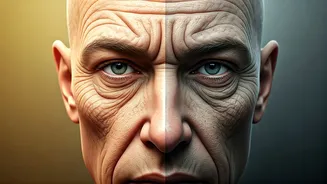
Facial aging isn't just about wrinkles; it's a complex process originating from structural changes beneath the skin. As we age, our facial bone framework
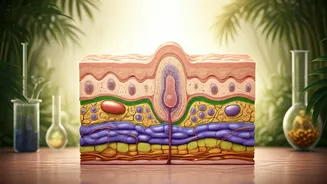
subtly shifts, with bone loss in areas like the maxilla and widening of the mandibular angle, diminishing the underlying support for facial tissues. Simultaneously, the distribution of facial fat changes; deep fat pads diminish while superficial ones descend, leading to common signs like under-eye hollows and jowls. The skin itself undergoes thinning, a significant slowdown in collagen production, and fragmentation of elastin, weakening the extracellular matrix and reducing overall elasticity and firmness. These internal transformations are the true foundation of how our faces age.
Environmental Accelerants
Beyond internal structural shifts, external factors significantly hasten the aging process of our faces. Ultraviolet (UV) radiation from the sun is a major culprit; it damages collagen and elastin fibers, stiffens these crucial proteins, and can even harm cellular DNA, manifesting as premature wrinkles, sun spots, and loss of skin resilience. Hormonal fluctuations also play a critical role. For instance, estrogen is vital for maintaining collagen density, skin thickness, and moisture. Following menopause, a sharp decline in estrogen levels directly contributes to thinning, dryness, and accelerated visible aging of the skin, making it more vulnerable to damage and loss of youthful characteristics.
Strategic Protein Intake
To combat the age-related decline in structural proteins, prioritizing adequate protein intake is paramount. Protein serves as the building blocks for essential dermal and soft-tissue components that maintain the skin's integrity and plumpness. By consuming sufficient protein, you provide your body with the necessary raw materials to repair and regenerate these tissues, helping to counteract the natural degradation that occurs with age. This dietary focus supports the overall scaffolding of your face, contributing to a more resilient and youthful appearance from within.
Embrace Retinoids
Incorporating retinoids into your regimen offers a potent method for rejuvenating facial skin. These vitamin A derivatives are renowned for their ability to significantly improve skin texture by accelerating cell turnover and stimulating the production of new collagen. This enhanced collagen synthesis helps to plump the skin from beneath, reducing the appearance of fine lines and wrinkles, and restoring a smoother, firmer complexion. Consistent use of retinoids can lead to a visibly more youthful and revitalized facial appearance.
Sunscreen Shield
Daily application of sunscreen is a non-negotiable strategy for preserving youthful skin and preventing accelerated aging. UV rays are notorious for their damaging effects, leading to photoaging—a premature aging of the skin caused by sun exposure. By consistently applying a broad-spectrum sunscreen, you create a protective barrier that significantly slows down this damage. This simple yet powerful habit helps to safeguard collagen and elastin, preventing the stiffening and fragmentation that contribute to wrinkles and a loss of skin elasticity, thereby maintaining a fresher, younger look.
Hydration's Vital Role
Maintaining optimal hydration is fundamental for supporting plump, healthy-looking skin. Proper hydration ensures that the dermal layers are well-nourished and functioning efficiently, which directly contributes to the skin's fullness and resilience. Dehydrated skin often appears dull, less firm, and more prone to showing fine lines. By ensuring you drink enough water and utilize hydrating skincare products, you help your skin maintain its natural moisture balance, leading to a more supple, radiant, and youthful complexion.
Glucose Control
Keeping your blood glucose levels stable is crucial for preventing a process known as collagen glycation, which accelerates aging. Glycation occurs when excess sugar molecules in the bloodstream attach to collagen fibers, making them stiff and brittle. This compromises the skin's structure and elasticity, leading to premature aging signs. A simple yet effective way to manage blood sugar is by incorporating a short walk after meals, which helps your body utilize glucose more efficiently and reduces the likelihood of glycation damage to your collagen.
Strength Training Benefits
Engaging in strength training offers a holistic approach to combating facial aging by supporting the underlying bone structure. The facial skeleton provides the essential scaffolding that holds our skin and soft tissues in place. By strengthening your muscles and bones through resistance exercises, you reinforce this framework. This helps to maintain the structural integrity of the face, reducing the sagging and hollowing that can occur as bone density decreases with age. A robust skeletal foundation contributes significantly to a more lifted and youthful facial appearance.
Vitamin D & Bone Health
Ensuring adequate intake of Vitamin D is essential for maintaining the health and structural integrity of your bones, which directly impacts facial aging. Vitamin D plays a critical role in calcium absorption and bone remodeling, processes vital for keeping the facial skeleton strong and supportive. As bone density naturally declines with age, a well-maintained skeletal structure provides a firmer base for facial tissues, helping to prevent sagging and contour changes. Adequate Vitamin D supports this crucial bone health, contributing to a more youthful facial profile.
Red Light Therapy
Exploring red light therapy presents a promising avenue for mild collagen production enhancement. This non-invasive treatment utilizes specific wavelengths of light to penetrate the skin and stimulate cellular activity. While not a complete solution, it is believed to offer a gentle boost to collagen synthesis, potentially improving skin texture and firmness over time. Consistent sessions may contribute to a more revitalized appearance by supporting the skin's natural regenerative processes and enhancing its overall quality.
Stress and Sleep Balance
Managing stress and prioritizing adequate sleep are powerful yet often overlooked strategies for slowing facial aging. Chronic stress triggers the release of cortisol, a hormone that can accelerate collagen breakdown and increase inflammation, both detrimental to skin health. Similarly, insufficient sleep deprives your body of crucial repair time. Aiming for 7-8 hours of quality sleep each night optimizes your body's natural nighttime repair mechanisms, aiding in tissue regeneration and reducing the visible signs of aging, while lower stress levels protect your precious collagen.
Barrier Repair & Avoidance
Focusing on barrier repair and strategic avoidance of midday UV exposure are key to preserving skin health and vitality. A compromised skin barrier leads to increased water loss and inflammation, making skin appear dull and aged. Utilizing products that support and restore this natural protective layer helps maintain skin plumpness and reduce irritation. Furthermore, actively avoiding direct sun exposure during peak UV hours significantly reduces the risk of accelerated photoaging. This dual approach protects your skin from environmental aggressors and supports its intrinsic health.