






IPO and Valuation
In the horizon, SpaceX is looking at a public listing in 2026, and according to media reports, the company is seeking an impressive valuation of $1.5 trillion.
This move signifies a pivotal moment in SpaceX's growth, suggesting confidence in its diverse ventures, including Starlink, Starship, and various other projects. This ambitious valuation highlights the enormous potential SpaceX has in shaping the future of space exploration and the broader commercial space industry. This also indicates how much the company is valued by its investors and the capital it seeks to raise to fund future endeavors. It shows the company's financial ambitions and its position as a major player in the space sector. The public offering would allow SpaceX to tap into a wider pool of investors and further accelerate its various space programs.
Starship and Launch
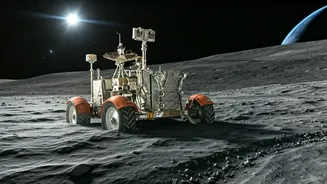
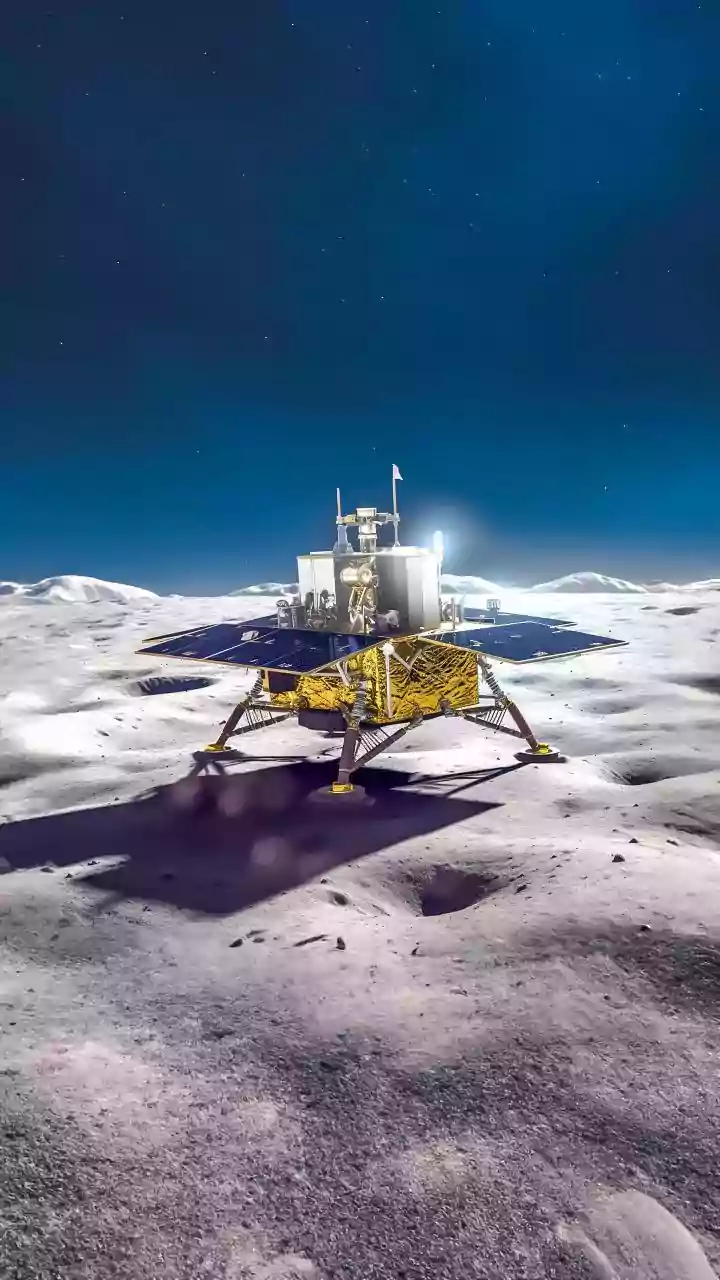
The Starship megarocket, a pivotal part of SpaceX's ambitious plans, has been making progress. SpaceX launched its Starship on its 11th test flight from Starbase, Texas, on October 13, 2025. Concurrently, the Air Force has approved the launch of the megarocket from a Florida pad. This showcases SpaceX's ongoing efforts to refine its launch capabilities and extend its launch operations. The Starship is anticipated to play a crucial role in future missions, including lunar landings, and ultimately, it is expected to be used for interplanetary travel. SpaceX has also been actively engaged in launching its Starlink satellites, with launches from Florida. The 300th orbital flight in 2025, and the milestone of launching the 10,000th Starlink satellite, show SpaceX’s commitment to expanding its satellite network.
NASA and Future Plans
NASA's plans are also evolving. The US Senate committee has advanced the renomination of Jared Isaacman as the head of NASA. Simultaneously, NASA is preparing to say goodbye to the International Space Station in 2030, marking a shift towards commercial space stations. There have also been concerns over potential delays to the Artemis 3 mission, which could push the astronaut moon landing to 2028. Additionally, the U.S. must beat China to the moon, as per Trump's pick for NASA chief Jared Isaacman. This underscores the competitive nature of space exploration and the desire to stay ahead. The focus of these endeavours is on maintaining the U.S.'s leading role in space exploration.
Space-Based Data Centers
Looking at the future, there's a strong interest in establishing data centers in space. A powerful NVIDIA chip is scheduled to be launched into orbit next month, intended to pave the way for space-based data centers. The deployment of satellite constellations, although ambitious, raises some concerns. There are worries that these constellations could potentially obscure the views of space telescopes by the late 2030s. Moreover, the satellite-beaming planes and airships might make SpaceX's Starlink obsolete in the future. These advances signal the potential for groundbreaking space-based technological developments and the importance of adapting to a constantly changing landscape.