




Understanding Fertilizer Numbers
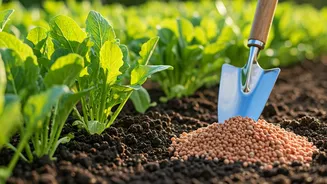
When you look at a fertilizer package, you'll notice three numbers separated by hyphens, such as 10-10-10. These figures represent the percentage by weight
of the three primary macronutrients essential for plant growth: nitrogen (N), phosphorus (P), and potassium (K). Nitrogen promotes leafy green growth, phosphorus aids in root and flower development, and potassium supports overall plant health and disease resistance. A fertilizer labeled 10-10-10 is considered 'balanced' because it contains equal proportions of these three key elements, suggesting it can provide a comprehensive nutrient supply. However, this simplicity can be deceiving, as it implies a universal need that rarely aligns with the specific requirements of different plants and soil conditions.
The Pitfalls of 10-10-10
The primary issue with consistently applying 10-10-10 fertilizer lies in its assumption of uniform plant needs. Most gardens and individual plants have distinct nutritional requirements that rarely mirror a 1:1:1 ratio. Applying this 'balanced' fertilizer can lead to an overabundance of certain nutrients, which, far from being beneficial, can actually become toxic. For instance, excess phosphorus doesn't readily break down and can linger in the soil for years, impeding the plant's ability to absorb vital micronutrients like iron and zinc. This buildup can stunt growth, cause leaf discoloration, and ultimately weaken the plant, making it more susceptible to diseases and pests. Furthermore, while one plant might be thriving, another nearby could be suffering from a deficiency in a nutrient that 10-10-10 is supposedly providing in equal measure.
Precise Nutrition Through Testing
To truly understand and meet your garden's specific needs, a soil test is indispensable. This scientific analysis reveals the exact levels of essential nutrients present in your soil and identifies any imbalances. Your local agricultural extension office typically offers affordable soil testing services; you simply send in a soil sample, and they provide a detailed report with tailored recommendations. This precise data allows you to select fertilizers with the exact ratios needed for your specific plants, preventing over-fertilization and nutrient waste. For example, trees and shrubs often require higher nitrogen levels than phosphorus or potassium, making fertilizers with ratios like 4-1-1 or 3-1-1 a far more suitable choice than a blanket 10-10-10 application. Beyond nutrient levels, soil pH also plays a critical role in nutrient availability, and a soil test can identify and help correct any pH imbalances that might hinder nutrient uptake.
Embracing Natural Alternatives
For gardeners seeking a more sustainable and forgiving approach, natural alternatives offer excellent nutrient delivery without the risks associated with synthetic fertilizers. Composting is a prime example; by mixing kitchen scraps and yard waste, you create a rich, organic amendment that, when worked into the soil, provides a slow and steady release of diverse nutrients. Compost is virtually foolproof – it enhances soil structure and fertility without the possibility of over-fertilizing or creating harmful nutrient imbalances. Another effective method is directly incorporating organic matter, such as well-rotted manure or cover crops, into your soil. These materials break down over time, feeding the soil ecosystem and supplying plants with a broad spectrum of essential elements. While these natural methods are generally sufficient for most gardening needs, a soil test can still be valuable if you're aiming for hyper-specific nutrient management for challenging plants or crops.