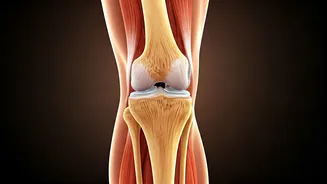

Understanding Knee Health
Knee health is crucial for mobility and overall well-being. The knee joint, being the largest in the body, is susceptible to wear and tear. Several factors
contribute to this, including age, weight, physical activity levels, and genetics. Understanding these influences is essential for informed care. This includes recognizing early signs of knee problems like pain, stiffness, or swelling, which should prompt immediate attention. Regular check-ups with an orthopaedic specialist can help to identify issues early on. Awareness of proper posture and movement techniques during daily activities and exercise routines also plays a significant role in preserving joint health. Additionally, incorporating exercises that enhance the supporting muscles surrounding the knee can improve stability and reduce stress on the joint. It's important to adopt habits that promote knee health to maintain functionality and reduce potential intervention.
Exercise and Activity
Exercise forms a key pillar of maintaining knee health. Low-impact exercises, like swimming, cycling, and brisk walking, are particularly beneficial, as they put minimal stress on the joints. These activities promote circulation, strengthen muscles surrounding the knee, and enhance flexibility, all crucial components in the prevention of joint issues. Regular exercise encourages the production of synovial fluid, which lubricates the joints and reduces friction. However, it's essential to avoid high-impact activities like running or jumping if you have knee problems, as they can exacerbate existing issues. Focusing on strengthening exercises that target the quadriceps, hamstrings, and calf muscles is essential as these muscles offer essential support to the knee. Gradually increasing the intensity of exercises and incorporating varied activities can help to prevent overuse injuries and maintain optimal knee function. Consulting with a physical therapist or a fitness professional ensures the exercise routine aligns with the individual's needs and capabilities, therefore maximizing benefits while minimizing risks.
Weight Management Benefits
Maintaining a healthy weight is paramount for knee health. Excess weight puts additional strain on the knee joints, accelerating the rate of cartilage breakdown and contributing to osteoarthritis. Each extra pound of body weight adds approximately four times that weight to the knees when walking. Therefore, even a small reduction in weight can greatly reduce the pressure on your knees, alleviating pain and slowing down the progression of joint damage. Incorporating a balanced diet that is rich in nutrients and low in processed foods is critical in weight management. Regular physical activity, as discussed earlier, also plays a crucial role in burning calories and improving metabolism, helping in weight loss. Additionally, consulting with a nutritionist or dietician for a personalized meal plan can ensure that you receive the necessary nutrients while maintaining a healthy weight. Weight management is not just about aesthetics; it is a critical strategy in preventing and managing knee problems.
Diet and Nutrition
Dietary choices significantly affect knee health, impacting inflammation and cartilage maintenance. A diet rich in anti-inflammatory foods like fatty fish (rich in omega-3 fatty acids), fruits, and vegetables can help reduce joint pain and swelling. Incorporating foods rich in antioxidants, such as berries and leafy greens, can also protect against cartilage damage caused by free radicals. Certain supplements, like glucosamine and chondroitin, have also shown promise in helping with joint health. These supplements may help to rebuild cartilage or reduce the breakdown. However, it is essential to consult with a healthcare professional before taking any supplements, as they can interact with other medications. Avoiding processed foods, sugary drinks, and excessive amounts of red meat is also important, as these can promote inflammation. Maintaining adequate hydration is also important, as water is essential for the health of cartilage and joint lubrication. Emphasizing a balanced diet can provide the necessary nutrients for overall health and specific nutrients for promoting knee health.
Lifestyle Adjustments
Several lifestyle adjustments can help to protect and preserve knee health. Using proper footwear is important for supporting your feet and ankles, which in turn reduces stress on the knees. Consider investing in shoes with good arch support and cushioning, especially if you spend a lot of time on your feet. Incorporating rest periods into your daily routine is also essential, especially after physical activity. Listen to your body and avoid activities that cause knee pain. Applying ice packs to the knees after strenuous activity can help to reduce inflammation and pain. Additionally, using heat can provide relief from stiffness and improve blood flow. If you frequently experience knee pain, consider modifying activities that aggravate your symptoms or alternate them with lower-impact options. Additionally, consider consulting an occupational therapist who can suggest ergonomic adjustments in your home or workplace to reduce strain on your knees. Small changes in daily habits can make a significant difference in knee health.
Seek Professional Guidance
Regular check-ups with an orthopaedic doctor can help to identify potential knee issues early on. Early detection often allows for more effective treatment strategies and can prevent further complications. During these visits, your doctor may assess your range of motion, evaluate the stability of your knee, and order imaging tests, such as X-rays or MRIs, if necessary. Following the guidance provided by your healthcare professional is crucial. This may involve specific exercises, lifestyle changes, or, in some cases, medication to manage pain and inflammation. If you have been diagnosed with a knee problem, following the prescribed treatment plan diligently is essential for managing your condition and slowing down its progression. If conservative treatments aren't effective, an orthopaedic doctor might recommend more advanced treatments, such as injections or, in severe cases, surgery. Always consult your doctor before starting any new exercise or treatment program. Prompt attention to any symptoms and diligent adherence to medical advice are critical for maintaining knee health and prolonging joint function.