






Observing Maha Shivratri
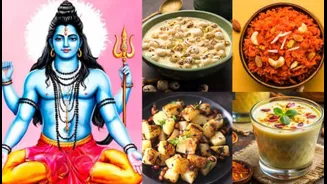
Maha Shivratri, a significant Hindu festival dedicated to Lord Shiva, is observed with deep devotion and often involves fasting. In 2026, the festival falls
on a specific date, marking a period of spiritual introspection and traditional observances. Devotees engage in prayers, meditation, and often undertake fasting as a form of penance and to seek blessings. The fast can be observed in various ways, from complete abstinence from food and water to partial fasting, consuming only specific permissible items. Understanding the date and the associated puja timings is crucial for devotees to perform the rituals with precision and devotion. This period is not just about religious observance but also about connecting with the divine through simple, wholesome practices and preparing specific meals that adhere to the fasting guidelines, ensuring both spiritual fulfillment and physical well-being throughout the auspicious occasion.
Kuttu Puri Perfection
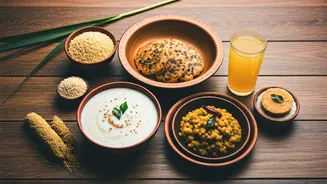
Kuttu Puri, a delectable flatbread made from buckwheat flour, is a staple during Hindu fasting periods, especially Maha Shivratri. This puri is not only filling but also provides essential nutrients, making it an ideal accompaniment to fasting meals. The preparation involves kneading buckwheat flour with a little water and sometimes mashed potatoes or boiled yams for texture and binding. Small portions of the dough are then flattened into small discs and deep-fried until golden brown and puffed up. The resulting puris are crispy on the outside and soft on the inside. They are typically served hot with a side of spicy potato curry (aloo rasedaar) or a sweet yogurt-based preparation. The simplicity of ingredients and the traditional preparation method lend Kuttu Puri its unique appeal, making it a cherished dish during religious observances when regular grains are avoided.
Sabudana Delicacies
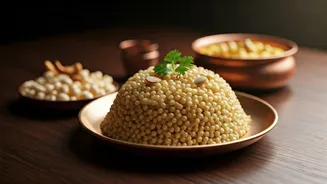
Sabudana, also known as tapioca pearls, is a versatile ingredient that forms the base of several popular fasting dishes, two of which are Sabudana Tikki and Sabudana Khichdi. Sabudana Khichdi is a light and flavorful dish where soaked sabudana pearls are stir-fried with roasted peanuts, green chilies, coriander leaves, and a hint of lemon juice, often seasoned with rock salt. It's a fluffy and satisfying meal that's easy to digest. Sabudana Tikki, on the other hand, involves combining soaked sabudana with mashed potatoes, chopped herbs, and spices, then shaping the mixture into patties and shallow-frying them until they are golden and crisp. Both dishes are highly regarded for their ability to sustain energy levels during a fast without compromising on taste or texture, offering a comforting and traditional culinary experience.
Aloo Rasedaar Delight
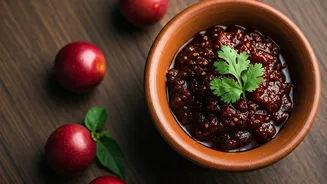
Aloo Rasedaar, a savory and subtly spiced potato curry, is a perfect pairing for Kuttu Puris and a comforting addition to any Maha Shivratri meal. This dish features boiled potatoes simmered in a light, flavorful gravy primarily made from tomatoes, ginger, and green chilies, seasoned with rock salt and a blend of traditional spices like cumin and coriander powder. The 'rasedaar' aspect refers to its semi-liquid, gravy-like consistency, which makes it ideal for dipping or scooping up with the puris. It’s a simple yet robust preparation that highlights the humble potato in a delicious way, offering a satisfying flavor profile that complements the often drier texture of fasting breads. Its preparation is straightforward, making it accessible for home cooks looking to create authentic festival food.
Makhana Kheer Sweetness
Makhana Kheer, a luscious dessert crafted from fox nuts (makhana) and milk, offers a sweet and nourishing conclusion to any fasting meal. The process involves gently roasting the makhana until they become crisp and then simmering them in sweetened milk until they soften and the kheer thickens. Cardamom powder, saffron strands, and chopped nuts like almonds and pistachios are often added to enhance the flavor and aroma, lending a rich, aromatic quality to the dessert. Unlike traditional rice kheer, makhana kheer has a lighter texture and a unique, slightly chewy consistency from the makhana. It is a delightful treat that is both wholesome and indulgent, providing a sense of comfort and festivity without violating the principles of fasting fare.