



Seeds Aren't All Alike
A frequent misconception is that all seeds are identical and interchangeable in their nutritional profiles and health benefits. However, this couldn't
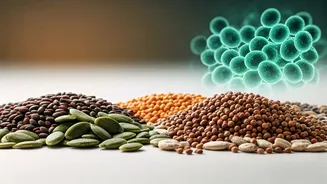
be further from the truth. Gastroenterologist Dr. Saurabh Sethi highlights that each seed, whether it's chia, flax, pumpkin, or sunflower, possesses unique fiber compositions, fat content, and distinct advantages for the body. For optimal gut health, embracing a diverse range of seeds, rather than relying on just one type, is key to maximizing the benefits and avoiding a one-size-fits-all approach that overlooks individual properties. Variety truly is the spice of a healthy gut.
Flaxseed Needs Preparation
Contrary to popular belief, consuming whole flaxseed may not deliver its full nutritional payload. Dr. Sethi explains that for the body to effectively absorb the valuable omega-3 fatty acids and fiber present in flaxseed, it must be ground. When consumed whole, these tiny seeds tend to pass through the digestive system largely undigested, rendering their potent nutrients inaccessible. Therefore, opting for ground flaxseed is crucial to unlock its full potential and reap the intended health rewards, making it 'gut-inactive' if not properly prepared.
Hydration is Crucial
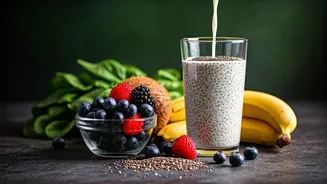
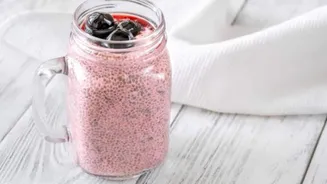
When incorporating certain seeds like chia, flax, and basil into your diet, adequate hydration is paramount. These seeds have a remarkable ability to absorb liquids, causing them to swell significantly. If consumed dry, without sufficient water, they can lead to digestive discomfort such as bloating and constipation. Dr. Sethi emphasizes that pairing these seeds with ample fluids is essential to prevent such issues and ensure smooth digestion, allowing their beneficial properties to be utilized effectively by the body.
More Than Just Toppings
Many individuals view seeds merely as a decorative addition to meals, sprinkling a tiny amount as a garnish. However, Dr. Sethi stresses that this minimal consumption often falls short of providing significant health benefits. To truly experience the positive impact of seeds on your well-being, a more substantial quantity is required. He recommends a daily intake of one to two tablespoons to achieve meaningful results, advising that 'dose over drizzle' is the effective strategy for reaping their nutritional rewards.
Chia vs. Basil Seeds
Despite their similar texture when soaked, chia and basil seeds are not interchangeable and offer distinct benefits. Dr. Sethi clarifies that while both require soaking in water, their functional properties differ significantly. Basil seeds are noted for their cooling effect on the gut and potential to alleviate reflux symptoms. In contrast, chia seeds excel in providing omega-3 fatty acids and promoting satiety. Understanding these differences allows for a more targeted use of each seed type to address specific health needs.
Calorie Density Alert
A prevalent myth is that seeds are inherently low-calorie foods. Dr. Sethi refutes this, explaining that seeds are actually quite calorie-dense due to their rich content of fats and fiber. While a moderate daily intake of one to two tablespoons is beneficial, consuming larger quantities, such as six tablespoons or more at every meal, can contribute significantly to calorie intake. He emphasizes the importance of portion control, stating that 'portion equals power' when it comes to maximizing benefits without overconsumption.
No Diverticulitis Link
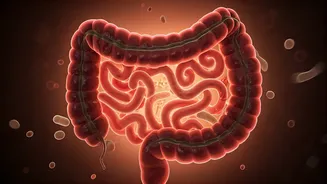
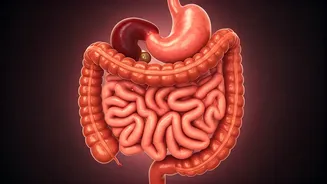
Contrary to a common fear, scientific research does not support a connection between seed consumption and the development of diverticulitis. Dr. Sethi reassures that extensive studies have found no evidence linking the two. Diverticulitis, an inflammation of pouches in the large intestine, is not exacerbated by eating seeds. In fact, foods rich in fiber, including seeds, can actively contribute to maintaining good colon health, dispelling this persistent myth about seeds causing intestinal issues.
Gut Health Powerhouses
The assertion that seeds do not benefit the gut is incorrect. Dr. Sethi highlights that the fiber, prebiotics, and anti-inflammatory fats found in seeds are instrumental in supporting digestive function. They can help reduce bloating, promote a healthier gut microbiome, and improve overall digestion. While seeds are not a magic cure, they are powerful tools for enhancing gut health when consumed appropriately, making their inclusion in a balanced diet a wise choice for digestive wellness.