





Choose Quality Ingredients
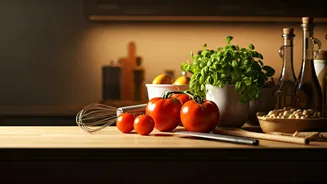
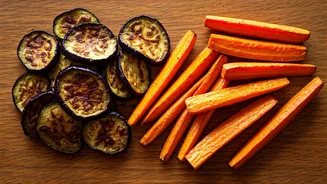
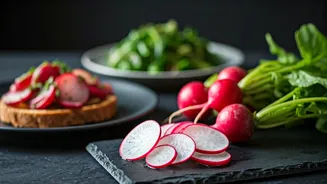
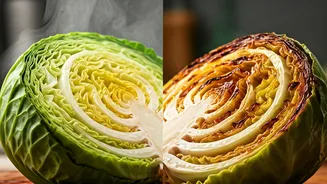
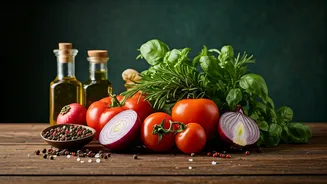
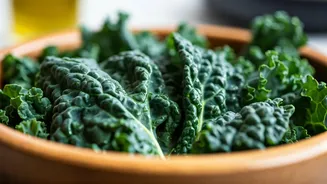
The cornerstone of culinary excellence lies in selecting high-quality ingredients. Whether it's the crispness of fresh vegetables, the richness of olive
oil, or the aroma of fragrant spices, each component contributes significantly to the final dish. When preparing a dish, opt for fresh produce, locally sourced if available, to ensure maximum flavor and nutritional value. The texture, taste, and overall quality of ingredients significantly influence the end result, so always consider the freshness and provenance of ingredients. This approach not only enhances the flavor profile but also ensures a superior dining experience. It is important to remember that the quality of your ingredients is the foundation of your cooking success.
Master Essential Spices
Spices and herbs serve as the flavor architects of a dish, capable of transforming simple ingredients into a culinary masterpiece. Understanding the basics of spice combinations and the nuances of individual flavors is crucial. Start by familiarizing yourself with essential spices like cumin, coriander, turmeric, and cardamom, and experiment with how they can be used to enrich your meals. For instance, the warmth of cinnamon complements sweet dishes, while chili powder adds a fiery kick to savory ones. The art of spice usage lies not only in knowing which flavors to use together but also in understanding how they change when cooked. Mastering essential spices is a journey of discovery and experimentation, allowing you to tailor dishes to your preferences.
Embrace Fresh Herbs
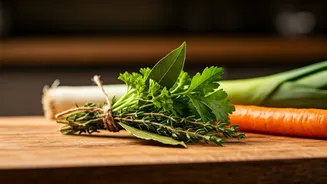
Fresh herbs bring life and vibrancy to any dish, infusing it with aromatic complexity and freshness. Their delicate flavors can lighten heavy sauces, add depth to salads, or be a finishing touch to many meals. Parsley, cilantro, mint, basil, and rosemary are indispensable in most kitchens. Learn how each herb best preserves its flavor; such as, adding them near the end of the cooking process to avoid excessive heat. Consider growing your own herbs; this makes them readily available and significantly enhances the flavor of your cooking. Experiment with various herbs in different ways to elevate the taste of your dishes to the next level and to find the herbs that you enjoy the most.
Perfect Your Sauces
The sauce can transform a basic meal into something extraordinary. Sauces bind elements together, deepen flavors, and add moisture to dishes. Mastering a few essential sauce recipes, like a simple tomato sauce, creamy béchamel, or zesty vinaigrette, can significantly broaden your culinary skills. Focus on the basics, such as the ratios of ingredients and correct cooking techniques. Pay careful attention to the consistency and the balance of flavors, ensuring that the sauce complements the main dish rather than overpowering it. Experimenting with different flavor profiles and techniques will make you more versatile in the kitchen. A well-made sauce elevates your cooking to new heights.
Understand Fats and Oils
Fats and oils play a crucial role in cooking, acting as both a medium for cooking and carriers of flavor. Different oils have unique smoke points and flavor profiles, making them suitable for different cooking methods. Olive oil, for instance, is great for sautéing and drizzling, while high-heat cooking requires oils with higher smoke points, like avocado oil or refined vegetable oil. Learning to use oils and fats correctly can enhance the texture and taste of your food. Understanding the flavor characteristics of each type of oil, such as the peppery notes of olive oil, can deepen your understanding of how each contributes to a dish's flavor profile and ultimately, improves the quality of your meals.