





Oleander: Elegant yet Deadly
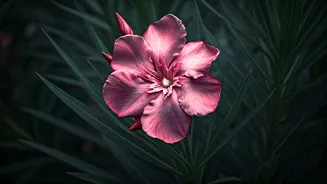
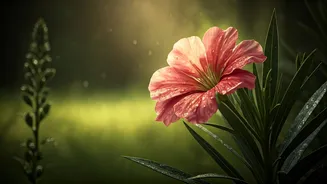
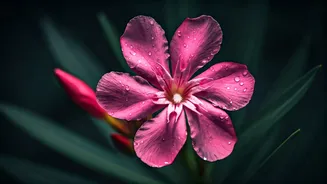
Oleander, a shrub gracing many landscapes with its delicate pink, white, or yellow blossoms, is a common sight in gardens and along roadsides. However,
this seemingly innocuous plant is entirely toxic. Each part of the oleander contains potent cardiac glycosides that can severely disrupt heart function, leading to vomiting and potentially fatal consequences if ingested. Its widespread use in ornamental settings belies its significant danger, making it crucial to handle with extreme caution and keep away from children and pets.
Foxglove's Poisonous Spikes
The towering spikes of foxglove, adorned with bell-shaped flowers in captivating shades of purple, pink, cream, and white, are a gardener's delight. Yet, this striking beauty conceals a dangerous secret: the entire plant is poisonous when swallowed. Famously, foxglove is the source of digitalis, a crucial medicine for heart conditions. However, consuming any part of the plant outside of carefully regulated medical doses can dangerously destabilize heart rhythms, posing a severe risk to health. Its attractive form should never lead to complacency regarding its toxicity.
Deadly Nightshade's Allure
Deadly nightshade possesses a wild, almost enchanting aesthetic, characterized by its subdued green foliage and glossy black berries that can easily entice the curious. This plant is notoriously poisonous, with toxins that can profoundly impact the nervous system. The very berries that contribute to its allure are a primary reason for numerous accidental poisonings throughout history, especially among children drawn to their tempting appearance. Its deceptive charm makes it a significant hazard in natural environments.
Water Hemlock's Violent Threat
Often mistaken for benign wildflowers like Queen Anne's lace or various members of the carrot family, water hemlock is an exceptionally striking plant with intricate white blooms. Despite its delicate appearance, it is widely regarded as one of North America's most violently toxic flora. The danger is particularly concentrated in its roots, and even consuming a small quantity can prove to be lethal. Awareness and accurate identification are paramount to avoiding contact with this perilous species.
Monkshood's Hidden Danger
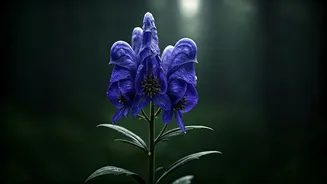
Monkshood stands out with its elegant, deep blue or purple flowers that gracefully curve like a monk's cowl. This captivating visual, however, masks a formidable threat in the form of aconitine, a potent poison. Every variety of monkshood plant contains this powerful alkaloid, making all its parts hazardous. The striking beauty of its hooded blossoms should serve as a stark warning, as direct contact or ingestion can lead to severe systemic effects, including paralysis and cardiac arrest.
Castor-Oil Plant's Risky Seeds
The castor-oil plant commands attention with its dramatic, large leaves and prominent seed clusters, making it a standout in any garden setting. The primary danger lies within its seeds, which contain ricin, one of the most toxic substances known to humankind. While the plant itself may appear striking, the real peril arises when the seeds are crushed or chewed, as this action liberates the deadly toxin. Accidental ingestion or deliberate manipulation of these seeds can have devastating and rapid consequences.
Rosary Pea's Beautiful Hazard
Visually arresting, the rosary pea is renowned for its vibrant, shiny red seeds, each marked with a distinctive black spot. These seeds are so attractive that they are sometimes incorporated into jewelry and decorative items. Unfortunately, this aesthetic appeal masks extreme toxicity. The entire rosary pea plant is poisonous, with its seeds containing abrin, a highly potent toxin. The very charm that makes them desirable for crafts also renders them exceptionally dangerous, particularly for children who might be tempted to play with or ingest them.