







AI for Early Detection
Doctors at the Postgraduate Institute of Medical Education and Research (PGIMER) in Chandigarh have engineered a groundbreaking artificial intelligence
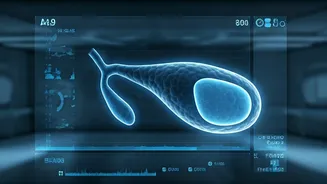
(AI) application designed to identify gallbladder cancer by scrutinizing ultrasound images. This innovative tool, named 'Gallbladder Cancer Detection App' (GaCDA), has demonstrated remarkable efficacy in initial evaluations, achieving an accuracy rate exceeding 90% in pinpointing malignant growths. The application functions by meticulously examining a range of ultrasound-derived features of the gallbladder, including wall thickness variations, the presence of polyps or abnormal masses, and intricate blood flow patterns. These meticulously analyzed characteristics are then processed by a sophisticated AI algorithm, which has been extensively trained on a vast repository of ultrasound images encompassing both cancerous and non-cancerous gallbladder conditions. The primary objective of this AI-driven solution is to empower radiologists and sonologists by facilitating the timely and accurate detection of gallbladder cancer, a critical factor in enhancing patient prognoses. Gallbladder cancer, known for its aggressive nature and relatively low incidence, underscores the paramount importance of early detection for effective therapeutic interventions. The GaCDA is currently undergoing rigorous further validation and is slated for future dissemination among healthcare practitioners.
How the App Works
The advanced AI model, developed by a multidisciplinary team at PGIMER, leverages a 'multiple instance learning approach' to automatically detect gallbladder cancer from ultrasound imaging. While routine gallstone detection is straightforward via ultrasound, subtle indicators of early-stage gallbladder cancer can sometimes elude even experienced human eyes. This AI application, however, is capable of analyzing multiple ultrasound images to ascertain the presence of gallbladder cancer. Crucially, it provides a probability score, indicating the AI's confidence level in its diagnosis. Furthermore, the application intelligently highlights the specific regions within the ultrasound images that significantly influenced its assessment, thereby enabling medical professionals to review, understand, and validate the AI's findings. This transparency and interpretability are vital for building trust and facilitating clinical adoption. The effectiveness of this AI tool has been rigorously tested on a diverse patient cohort across four different hospitals located in North India, demonstrating its robustness and potential for widespread application.
Bridging Diagnostic Gaps
This pioneering AI tool holds immense promise for improving diagnostic capabilities, particularly in remote and peripheral hospitals where access to specialized radiologists is often limited. Many such healthcare facilities lack the necessary expert personnel to thoroughly examine ultrasound images and conduct subsequent investigations like CT scans or liver function tests, which are vital for a comprehensive diagnosis. The AI application can serve as an invaluable assistive tool in these settings, offering expert-level analysis of ultrasound data. This can significantly expedite the diagnostic process and ensure that patients receive timely referrals and treatment, regardless of their geographical location. By democratizing access to advanced diagnostic capabilities, the AI app aims to level the playing field in healthcare, ensuring that critical early detection of gallbladder cancer is not hindered by a lack of specialized medical professionals.
India's Gallbladder Cancer Burden
Gallbladder cancer presents a substantial public health challenge in India, which accounts for approximately 10% of the global disease burden. Research, including a paper by Dr. Usha Dutta, Head of Gastroenterology at PGIMER, published in Chinese Clinical Oncology, indicates a particularly high incidence rate in the northern, north-eastern, central, and eastern regions of the country, contrasting with lower rates in the southern and western parts. Statistics from PGIMER reveal that gallbladder cancer is the most common digestive malignancy among women in North India, with an incidence of 21 per one lakh population, compared to less than 10 per one lakh among men. A significant co-morbidity exists, as around 80% of individuals diagnosed with gallbladder cancer also suffer from gallstones, highlighting the interconnectedness of these conditions and the importance of monitoring for potential malignancy in patients with gallstones.
Future Accessibility & Vision
The user-friendly computer application, meticulously developed by computer scientist Kartik Bose, is poised to become a widely accessible resource. Dr. Pankaj Gupta, leading the project, confirmed that the team has been dedicated to this initiative since 2018 and is now generously sharing the application free of charge with national-level hospitals that have expressed interest. The next crucial phase involves conducting prospective clinical trials to further validate the AI model's performance in real-world clinical scenarios. The ultimate aspiration is to seamlessly integrate this AI-assisted screening tool into the routine workflow of ultrasound examinations across India. Dr. Gupta emphasized the overarching goal of making AI-powered gallbladder cancer screening readily available to healthcare providers nationwide, with a particular focus on regions grappling with a high disease burden, thereby democratizing advanced diagnostic technology for improved public health outcomes.