
Your Body's Priorities
The vitality of your hair is intrinsically tied to your dietary intake, often serving as a clear indicator of your overall nutritional status. Your body
prioritizes essential functions, viewing hair growth as a secondary concern. When your diet falls short, nutrients are redirected to vital organs, impacting your hair first. Therefore, understanding how your meals contribute to hair health is paramount. Think of your hair follicles as highly active manufacturing plants that require a constant supply of the correct building blocks to function optimally. When this supply is compromised, the consequence is visibly diminished hair quality and increased shedding. It's a direct reflection of internal well-being, rather than an external problem needing a topical fix.
Protein and Fats Foundation
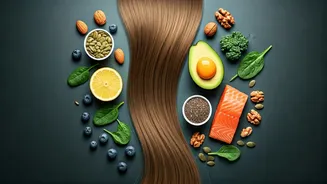
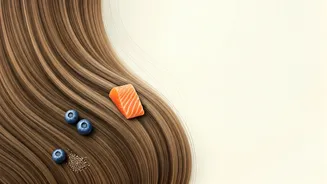
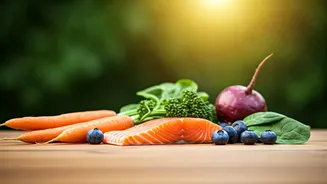
The primary structural component of your hair is a protein called keratin. Insufficient protein intake can disrupt the hair growth cycle, leading to premature entry into the shedding phase and resulting in brittle, thinning hair. To counteract this, ensure your diet is rich in lean protein sources such as chicken, fish, eggs, beans, lentils, tofu, and Greek yogurt. Alongside protein, healthy fats, particularly Omega-3 fatty acids, are indispensable for scalp health. These essential fats, which your body cannot synthesize, nourish the sebaceous glands responsible for producing sebum—the natural oil that moisturizes the scalp and imparts silkiness to your hair. Incorporate fatty fish like salmon, along with chia seeds, walnuts, and flaxseeds, into your regular meals to benefit from these crucial lipids.
Vital Vitamins and Minerals
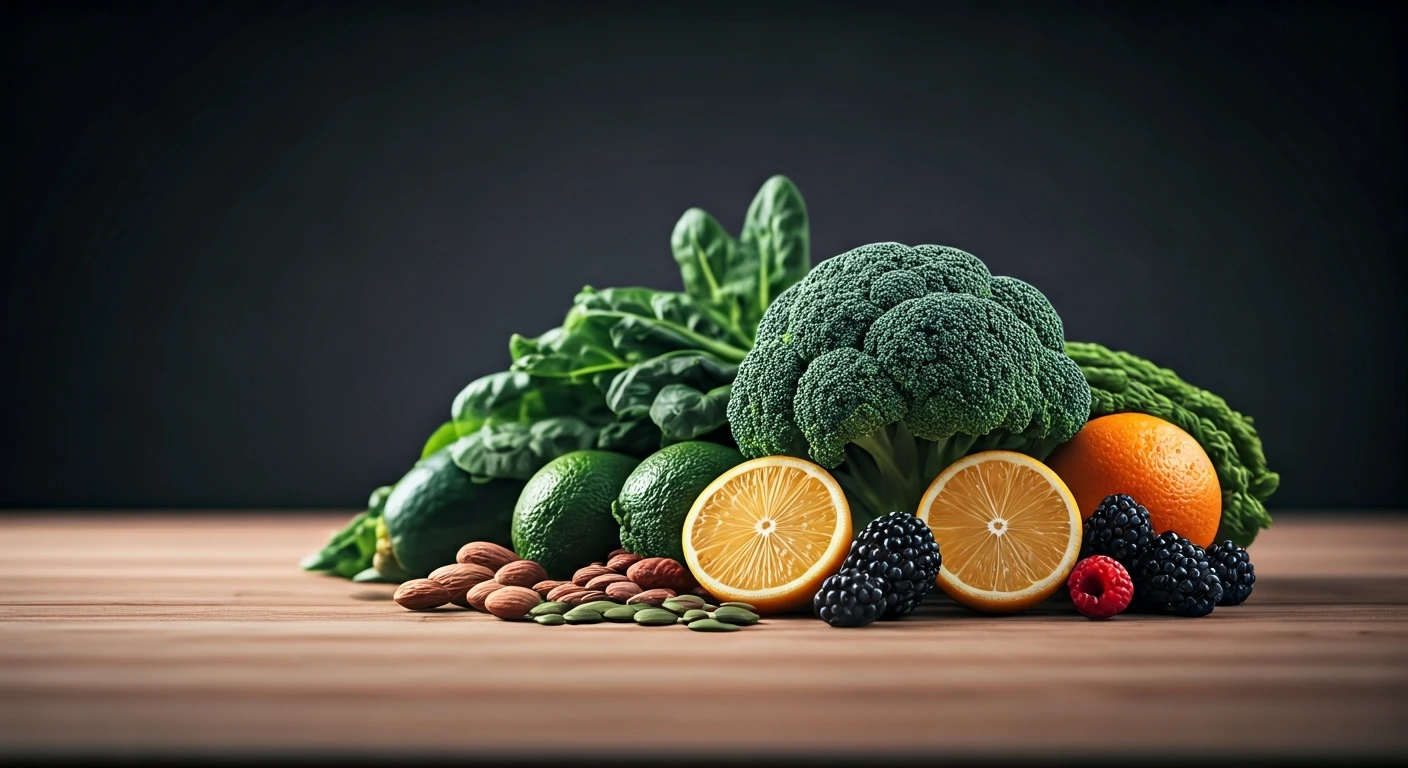
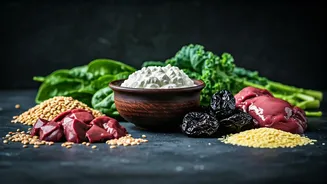
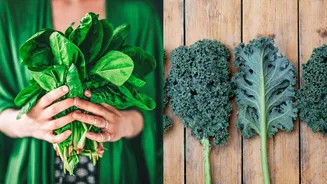
Micronutrients play a critical role in hair vitality. Iron is essential for producing hemoglobin, which transports oxygen to the hair roots, fueling their growth. Iron deficiency is a prevalent cause of hair loss, especially among women. Excellent sources include spinach, lentils, and red meat; pairing plant-based iron with Vitamin C-rich foods like lemon juice significantly enhances absorption. Zinc is another vital mineral that aids in hair tissue repair and regulates oil gland function, making it crucial for preventing shedding. Pumpkin seeds are a good dietary source. B-vitamins, notably Biotin (B7) and B12, are well-known for their role in keratin production and supporting the red blood cells that nourish the scalp. Vitamin C acts as a powerful antioxidant, protecting hair from damage and aiding collagen synthesis, which prevents premature aging and breakage. Finally, Vitamin D, obtained through safe sun exposure or fortified foods, is believed to contribute to the development of new hair follicles.
Whole Foods Over Supplements
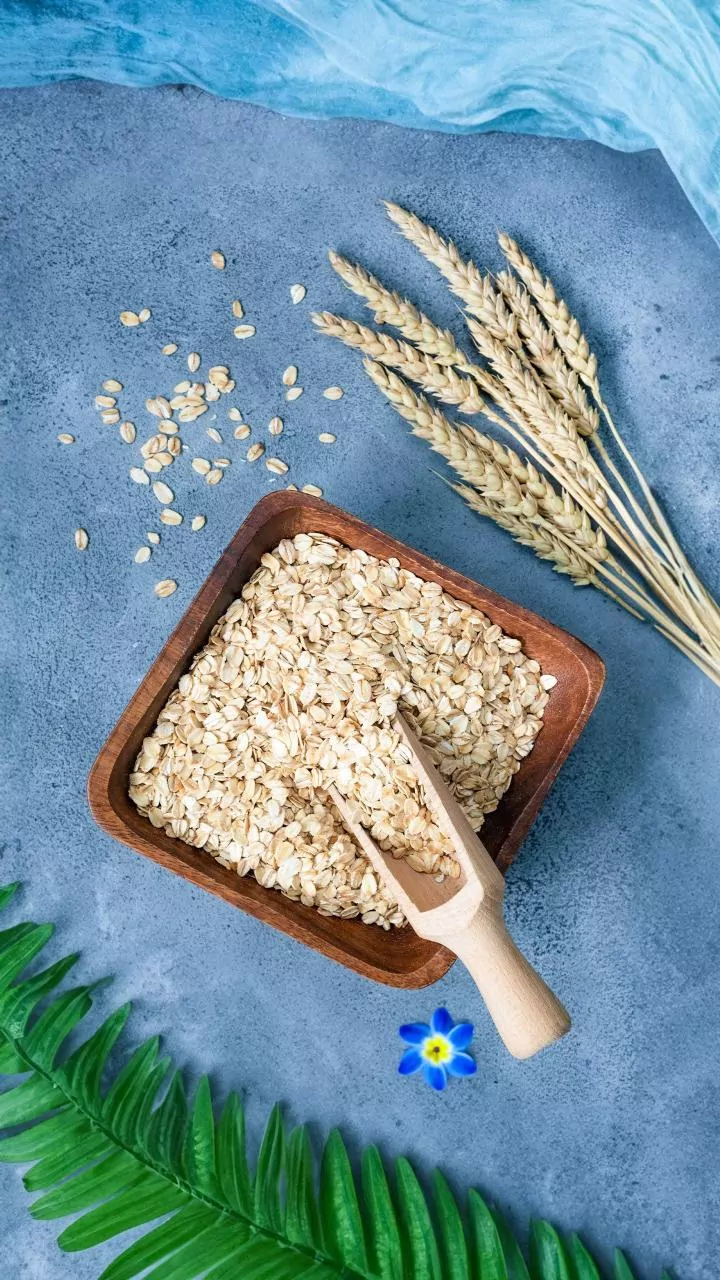
While tempting, relying solely on supplements for hair health is not always the answer, and can even be detrimental. Excessively high levels of certain nutrients, like Vitamin A and Selenium, have been medically proven to cause hair loss. Clinical research consistently indicates that the body absorbs nutrients more effectively from whole foods compared to high-dose, isolated supplements. Unless a specific deficiency has been diagnosed by a healthcare professional through blood tests, a balanced diet is the most reliable and safest approach to achieving optimal hair health. Remember that hair growth is a gradual process, averaging about half an inch per month. Consistent consumption of nutrient-dense foods over a period of three to six months is key to observing significant and lasting improvements in hair thickness and growth rate.