






Seashells: More Than Decor
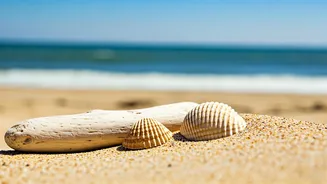
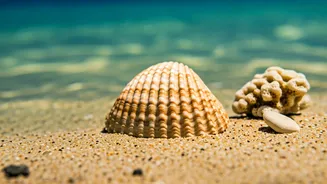
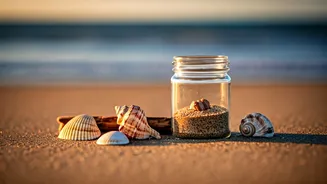
While they make attractive keepsakes, seashells are vital components of marine life. Empty shells provide essential shelter for creatures like hermit crabs
and contribute to the very sand on beaches as they break down, aiding in shoreline stability. Many nations and protected coastal areas have strict regulations against removing shells, recognizing their ecological significance. Even where explicit bans aren't in place, the cumulative effect of mass souvenir collection by tourists can significantly disrupt the natural balance of these delicate ecosystems. Instead of taking shells, consider capturing their beauty through photographs or purchasing locally crafted mementos that don't deplete natural resources.
Sand: A Slippery Slope
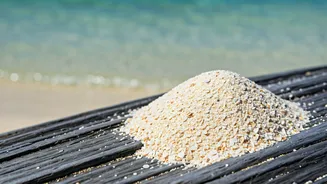
The notion of taking a small vial of sand might seem innocuous, but the collective action of millions of visitors results in substantial sand depletion from beaches worldwide. Destinations such as parts of Italy and Hawaii have implemented stringent laws that impose significant financial penalties for removing sand. Beyond its aesthetic appeal, beach sand supports a myriad of microorganisms and plays a critical role in regulating coastal erosion. For those seeking a tangible reminder of their beach experience, opting for locally produced crafts is a far more responsible and legal alternative that supports local economies without compromising the environment.
Coral's Crucial Role
It is imperative to leave all forms of coral, whether living or dead, untouched on the beach. Coral reefs are exceptionally fragile ecosystems, acting as crucial nurseries for marine biodiversity and providing a natural barrier that protects coastlines from the erosive forces of waves. Even fragmented pieces of coral are essential for the ongoing regeneration and health of the reef structure. Many countries have outlawed the removal of coral, with violations often resulting in hefty fines or confiscation of the items during customs checks at airports. If you encounter coral jewelry for sale, it is advisable to verify its legal sourcing and certification, though abstaining from purchasing it altogether is the most ecologically sound choice.
Marine Life Beware
Dried starfish, seahorses, and other marine creatures are sometimes offered as souvenirs by beach vendors. Purchasing these items inadvertently fuels the harvesting of these animals, which can severely deplete marine populations and disrupt delicate food webs. Starfish, for instance, are integral to maintaining the health and balance of reef ecosystems. Their removal, regardless of whether they are alive or dead, has detrimental consequences on the reef's overall stability. Supporting sustainable tourism means refraining from purchasing such items, thereby discouraging practices that harm marine life.
Coastal Plants Matter
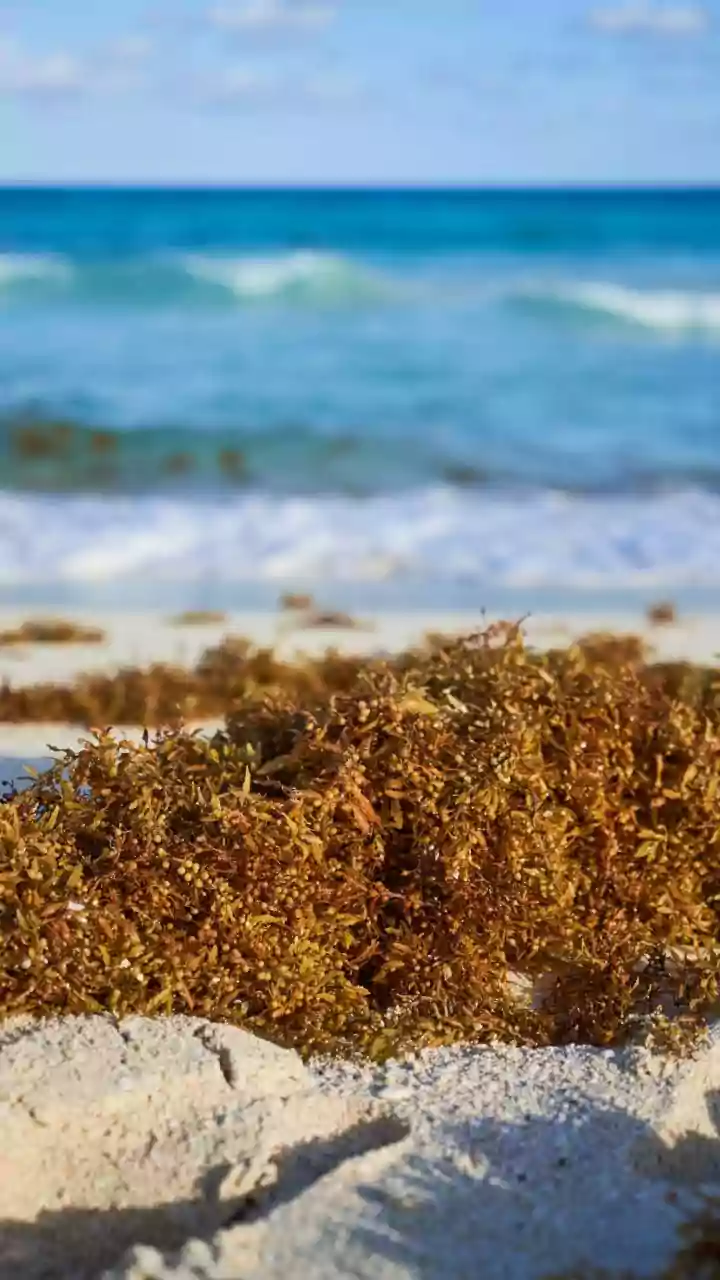
Driftwood, while appearing as a natural decorative element, serves a crucial purpose in coastal environments by providing habitat and protective cover for various species. Similarly, the vegetation found along beaches plays a vital role in stabilizing sand dunes and preventing coastal erosion. Disturbing or removing these natural elements can weaken already vulnerable coastal systems, particularly in regions that are increasingly susceptible to storms and the impacts of climate change. Any natural item that forms part of the beach landscape is best left in its place, contributing to the resilience and ecological integrity of the area.