




From Ceremony to Street
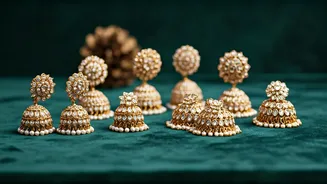
Indian fashion has long embraced the beauty of beads, yet for years, these intricate embellishments were primarily associated with grand bridal ensembles
and special celebrations. They were admired for their craftsmanship, often stored away for rare occasions rather than integrated into the daily fabric of one's wardrobe. However, this perception is rapidly evolving. A new cohort of Indian designers is skillfully extracting beadwork from its ceremonial confines, reinterpreting it into designs that feel immediate and relevant for contemporary life. These emerging brands are infusing the craft with elements of humor, nostalgia, and a deeply personal touch, creating pieces that feel less like historical preservation and more like an organic expression of modern aesthetics. This transformation isn't merely about changing the look; it's about fundamentally shifting the cultural role of beadwork within everyday dressing.
Craftsmanship Meets Casual Cool
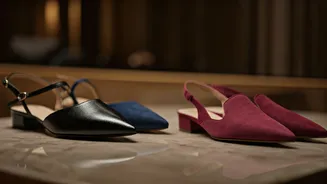
The current wave of beadwork is defined by its ability to balance intense craftsmanship with an effortlessly casual feel. While some lighter pieces might be completed in under ten hours, more elaborate creations demand hundreds of hours of dedicated work. One designer shared that certain intricate items can take upwards of two to three hundred hours for a single artisan to complete. This significant labor is subtly integrated into garments that appear to be casual and easy to wear. This contrast is further explored across different product categories. For instance, when beadwork is applied to footwear, the design challenges are distinct. The delicate appearance of beaded shoes needs to be balanced with durability to withstand movement, pressure, and consistent wear. This adaptation requires the craft to evolve its techniques and materials without sacrificing its inherent detail and aesthetic appeal, demonstrating the versatility and resilience of traditional artistry in new contexts.
Playful Personality in Accessories
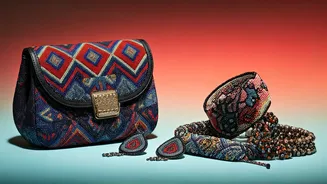
Beyond just changing the context, the current revival of beadwork is also characterized by a bold new attitude, particularly evident in accessories. Beaded bags are emerging as a prominent symbol of this resurgence, transforming traditional artistry into pop culture statements. This trend gained significant traction with the creation of uniquely designed beaded bags inspired by everyday snack packaging. The process involved translating the crinkled textures and vibrant colors of foil wrappers into meticulously hand-beaded surfaces, requiring careful color matching and structural engineering for an item that originally lacked form. This inventive approach extends to other accessory designs, featuring motifs like lemons, tomatoes, and fish alongside the playful snack-inspired pieces. This eclectic mix prevents the brand's identity from becoming monotonous and fosters a sense of creating items that intentionally provoke a reaction, aiming to be noticed, shared, and discussed.
Reimagining Heritage for Today
As beadwork ventures into novel categories and stylistic expressions, it's also reshaping our interaction with traditional crafts. The current revival aims not only to increase the visibility of beadwork but also to make it more relatable and approachable. For many, the shift from viewing beadwork as exclusively for special occasions to integrating it into daily outfits is a revelation. Customers who initially perceive these pieces as too formal often discover their versatility, styling them with everything from relaxed holiday linen dresses to everyday denim ensembles once they experience them firsthand. This evolution alters not just public perception but also consumer behavior. Furthermore, there's a growing trend of customers inquiring about the specific artisans who crafted their pieces, expressing a deeper appreciation for the time, skill, and human touch involved. Even the emergence of copycat brands inadvertently contributes to this heightened visibility by prompting a greater emphasis on spotlighting the artisans and bringing them into the foreground of the design narrative.