




Robotic Runner Breaks Records
In a groundbreaking event held in Beijing, a humanoid robot, aptly christened 'Lightning,' has redefined the boundaries of robotic performance by obliterating
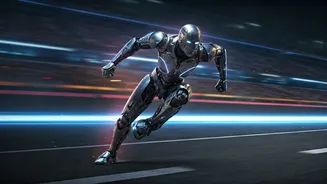
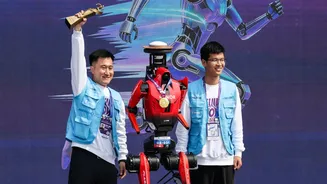
the existing half-marathon world record. This remarkable machine crossed the finish line in an astounding 50 minutes and 26 seconds, significantly surpassing the previous record of 57 minutes and 20 seconds, which was only recently set by a human athlete from Uganda. The race itself was a fascinating spectacle, featuring over 12,000 human participants alongside hundreds of autonomous robots navigating a parallel course. This development is particularly noteworthy as it signifies a dramatic leap in the capabilities of autonomous systems, moving beyond industrial applications to achieve feats previously thought to be exclusively within the domain of elite human athleticism. The rapid advancement suggests a future where robots could compete, and even excel, in physically demanding activities, challenging our perceptions of machine intelligence and physical prowess.
Leap in Robot Engineering
The recent half-marathon event in Beijing marked a significant milestone, not just for the winning robot, Lightning, but also for the broader trajectory of China's robotics sector. The robot's astonishing performance is a testament to the substantial engineering investment and innovation poured into developing robust and high-performing humanoid machines. This year's race showcased a dramatic improvement compared to the inaugural event, where the winning robot took an unprecedented two hours and 40 minutes to complete the course. Experts highlight this rapid progress as a clear indication of the increased focus on making these complex systems reliable and efficient for extended physical tasks. Such advancements are not merely theoretical; they are paving the way for the transfer of learned technologies into various other industries, much like the initial competitive developments in the automotive sector that eventually benefited broader applications. This evolution signals a maturing robotics industry capable of tackling more complex challenges and contributing to diverse technological frontiers.