






The Journey Begins
The adventure commenced with an overnight bus ride from Delhi to Shimla, the gateway to the Himalayas. From Shimla, a group of thirteen intrepid travelers,
including the author, boarded a minibus for an eight-hour drive toward Chitkul, often heralded as India's last inhabited village. This initial leg of the journey immediately tested our resolve, as we traversed a section of the Hindustan-Tibet highway in Kinnaur, renowned as one of the world's most perilous roads. Carved into sheer cliff faces, this narrow, serpentine route features precipitous drops into deep gorges where the Sutlej River rages below. The limited space for passing vehicles requires absolute focus and steady nerves. Upon arrival in Chitkul, the immediate realities of remote mountain living became apparent: running water was a luxury unavailable, replaced by communal drums of ice-cold water, underscoring the basic accommodations that awaited us. This introduction set the tone for an experience far removed from typical tourist comforts.
Spiti's Treacherous Beauty
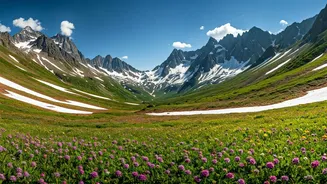
The following day marked our push towards the ultimate destination: Spiti. This segment of the journey, another eight-hour expedition, included brief stops at Khab Sangam and Sangla, while we remained bundled in multiple layers of clothing to ward off the biting cold. The roads within Spiti itself presented a level of danger that dwarfed the Kinnaur route, offering a stark, raw, and simultaneously stunning visual spectacle. This part of the journey was akin to watching a gripping film, where a single miscalculation could lead to severe consequences. Our overnight stay was at a unique establishment: a monastery converted into a guesthouse, situated directly across from the historic Tabo Monastery. Under a canopy of countless stars, with panoramic views of the surrounding snow-capped peaks, the profound distinctiveness of Spiti became evident. It was the extraordinary fusion of raw nature and deep-rooted culture, amplified by the arduous travel required to reach it, that made the experience profoundly rewarding.
Adapting to Altitude
The final leg of our journey brought us to Kaza, where we were scheduled to spend three days. This six-hour drive, while scenic, began to take its toll on our bodies. Despite the majestic snow-clad mountains surrounding us, our oxygen levels noticeably dropped, and our bodies cried out for rest and warmth. Even the simplest daily activities, such as visiting the washroom, washing hands, or brushing teeth, transformed into exhausting endeavors. Several travelers, many on their inaugural solo mountain trips, began questioning their decision, contemplating whether a less demanding mountain destination would have been more prudent. This physical exertion highlighted the significant impact of high altitude on the human body, a factor often underestimated by those drawn to Spiti's allure.
Reality vs. Online Persona
Jatin Singh, an experienced trip captain who has led over 75 groups to Spiti, confirms that while its beauty is undeniable, it is intrinsically linked to considerable challenges. He notes that Spiti remains relatively unexplored, with its growing popularity driven by increased awareness, particularly fueled by social media. Initially, it was discovered by foreign trekkers, but recent popularity is significantly boosted by Instagram reels. Jatin emphasizes that the captivating views seen online come at a price: extensive travel and acclimatization to low oxygen levels. He strongly advises against blindly trusting online portrayals, urging potential visitors to conduct thorough research on altitude, terrain, and local conditions. The romanticized online image often omits the harsh realities, such as the physical demands and the essential need for preparedness.
Navigating Spiti's Routes
Regarding travel routes, Jatin explains the two primary approaches to Spiti: via Manali and via Shimla. During winter, the Manali-Kaza route is rendered impassable due to heavy snowfall and lacks essential amenities like mobile networks and pit stops, making it impractical for most travelers and agencies. Consequently, the Shimla-Kaza route is the preferred option, typically requiring about two days for completion. He stresses the crucial importance of scheduled halts along this route for acclimatization. These stops allow travelers' bodies to gradually adjust to the extreme weather conditions, mitigating the risk of exhaustion and altitude sickness. Proper acclimatization is not merely a suggestion but a necessity for a safer and more manageable Spiti experience.
Winter Comforts and Challenges
Jatin candidly states that winter travel in Spiti is far from luxurious. He elaborates that attached washrooms are non-existent because water systems freeze; instead, most accommodations are traditional mud houses that retain warmth naturally during winters. Water is stored in drums, making bathing impractical, and communal washrooms with limited water supply are the norm. Dining options are basic, typically featuring simple meals like dal-chawal. Altitude-related medical issues are common. To combat this, continuous hydration is strongly advised, even by medical professionals. In severe cases, supplemental oxygen and immediate descent might be necessary. Spiti, being a no-tree zone, has naturally lower oxygen levels, with only government hospitals available for medical care. Trip captains carry first-aid kits and oxygen cylinders but are not medical professionals, highlighting the region's limited healthcare infrastructure.
Moments of Awe and Connection
Despite the myriad of challenges, the journey through Spiti offered moments of profound awe that made every hardship worthwhile. Visits to iconic sites such as Key Monastery, Dhankar Monastery, and the impressive statue of the towering Buddha provided breathtaking vistas and a deep sense of tranquility. Beyond the stunning landscapes and ancient monasteries, the shared experience fostered a unique sense of camaraderie. Evenings were spent around dinner tables, where strangers from diverse backgrounds bonded over shared stories and engaging games like Dumb Charades, Mafia, and Jenga. These interactions transformed temporary companions into lifelong friends, embodying the true spirit of Spiti. It is this human connection, forged amidst adversity, that often leaves the most lasting impression.
The True Spirit of Spiti
Ultimately, Spiti reveals itself as a destination not for those seeking conventional tourist comforts, but for genuine travelers prepared to embrace the entirety of the journey. While its Instagram persona paints a picture of a dreamlike escape, the lived reality is far more raw, demanding, and unfiltered. The cold is more intense, the roads present greater dangers, and the amenities are considerably more sparse than glossy images suggest. However, for individuals willing to step outside their comfort zones and immerse themselves in its harsh yet humbling existence, the rewards extend far beyond mere photographic opportunities. It is the profound experience of navigating its demanding environment and witnessing its unvarnished beauty that truly imprints itself on the soul, long after the journey concludes.