







Understanding Modern Joint Care
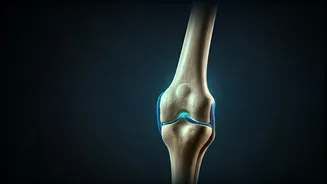
Knee and hip pain often develops subtly, gradually limiting daily activities and independence. Fortunately, advancements in medical treatments, including
sophisticated joint replacement surgeries and robotic-assisted procedures, offer improved outcomes and faster returns to normalcy. Robotic arm-assisted surgery, for instance, utilizes advanced imaging and 3D planning to tailor the procedure to each patient's unique anatomy, potentially leading to a quicker recovery. Minimally invasive techniques also play a role by reducing tissue trauma through smaller incisions, allowing for a faster return to mobility with fewer limitations. However, it's vital to recognize that surgical precision is only one component; the subsequent rehabilitation phase, heavily influenced by lifestyle, is where the most significant transformation occurs.
The Crucial Lifestyle Influence
While advanced surgical techniques are designed to restore joint function and alleviate pain, their ultimate effectiveness is profoundly shaped by post-operative lifestyle choices. Think of surgery as the initial repair; your daily habits act as the ongoing maintenance and protective shield for that repair. Neglecting rehabilitation, poor nutrition, or a return to inactivity can substantially impede the healing process. Conversely, adopting a set of consistent, mindful habits can dramatically enhance recovery outcomes, ensuring the benefits of the surgery are maximized and sustained.
Physiotherapy: Your Foundation
Committing to a structured physiotherapy program is paramount for rebuilding the strength, flexibility, and muscle control needed to support your newly operated joint. Regular sessions are designed not only to prevent stiffness but also to gradually restore your confidence in movement, enabling you to perform everyday actions more easily and safely. This dedicated exercise regimen is crucial for re-educating the muscles and ensuring they function harmoniously around the implant, facilitating a smoother and more robust return to your usual activities.
Fueling the Healing Process
Your body requires specific nutrients to effectively repair damaged tissues and build new bone and muscle. A diet rich in protein is essential for tissue regeneration, while calcium and Vitamin D are vital for bone health. Incorporating anti-inflammatory foods, such as leafy green vegetables, nuts, seeds, and fatty fish like salmon, can help reduce swelling and promote overall healing. Adequate hydration is also critical for nutrient transport and waste removal, playing a significant role in supporting the body's recovery mechanisms.
Gentle Activity for Circulation
Maintaining gentle, low-impact physical activity is key to improving blood circulation without placing undue stress on your recovering joints. Exercises like walking, swimming, and cycling are excellent choices as they promote blood flow, which aids in nutrient delivery and waste removal, while minimizing the risk of strain or injury to the surgical site. This consistent, moderate movement helps keep the joint supple and prevents the deconditioning that can occur with prolonged rest.
Weight Management Matters
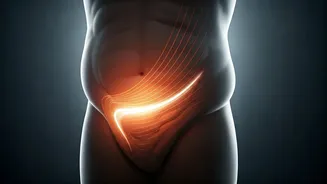
Even a modest excess in body weight can exert significant additional pressure on your knees and hips, particularly during the vulnerable recovery period. Gradual and sustainable weight management can dramatically reduce this stress on your joints, leading to improved comfort and a faster healing trajectory. By achieving a healthier weight, you alleviate mechanical strain, allowing the surgical repairs to settle and function optimally for the long term.
The Power of Rest and Sleep
Recovery is a dual process that involves both movement and adequate rest. Sufficient sleep is when your body performs its most critical repair functions, allowing tissues to mend and inflammation to subside. Pushing yourself too hard or too soon can inadvertently set back your progress, hindering the natural healing mechanisms. Prioritizing quality sleep and incorporating periods of rest throughout the day are just as vital as your physiotherapy sessions for an effective recovery.
Regaining Confidence and Freedom
The impact of successful joint surgery extends far beyond physical mobility; it profoundly restores emotional well-being and confidence. The ability to engage in activities previously deemed challenging, such as walking without apprehension, traveling comfortably, or participating actively in family life, reintroduces a sense of freedom that many thought was lost forever. Through a combination of expert surgical care, diligent rehabilitation, and conscious daily lifestyle choices, movement can not only be restored but can feel effortless, transforming your quality of life.