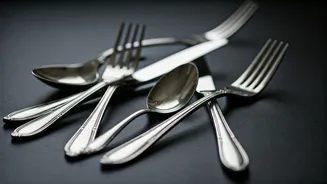








Understanding Silverware Woes
Silverware, a staple in every Indian household, often loses its luster due to various factors. Hard water, common in many regions, can leave mineral deposits
that dull the shine. Food residues, especially those containing sulfur like eggs and mustard, can react with the metal, leading to tarnish. Exposure to air and humidity accelerates oxidation, another significant cause of tarnish. Improper storage, such as leaving silverware in humid environments or using abrasive cleaners, can also contribute to the problem. Regular use, while necessary, can lead to scratches and wear that diminish the silverware’s brilliance. By understanding these culprits, you can implement preventative measures to keep your silverware looking its best for longer.
Cleaning Solutions & Methods
Several cleaning methods effectively restore the shine to silverware. One popular approach is using a baking soda paste. Mix baking soda with water to create a paste and gently rub it onto the silverware. The fine abrasive action of baking soda helps remove tarnish without scratching the metal. White vinegar is another excellent option. Soak tarnished silverware in a solution of white vinegar and water for about 30 minutes, then rinse and dry thoroughly. For deeper cleaning, consider using a specialized silver polish, readily available in the market. Always follow the product instructions carefully. Avoid using harsh chemicals or abrasive cleaners, as these can damage the delicate surfaces of your silverware. Regular maintenance, such as washing silverware immediately after use, will also significantly minimize tarnish build-up.
Tackling Stubborn Stains
Stubborn stains require more intensive methods to achieve sparkling silverware. For tough food stains, create a paste of baking soda and a few drops of lemon juice. Apply the paste to the stained areas and let it sit for a few minutes before gently scrubbing. Another useful tip for removing stubborn stains is to boil a pot of water with a piece of aluminum foil and a teaspoon of baking soda. Place the silverware into the boiling water and let it sit for a few minutes. The chemical reaction between the aluminum and the tarnish will help lift the stains. Be cautious when handling hot silverware. Thorough rinsing and drying after each cleaning are crucial to prevent further staining. Regular, diligent cleaning can effectively banish even the most persistent stains and restore the inherent beauty of your silverware.
Proper Silverware Care
Proper care and storage significantly contribute to preserving the shine of silverware. Always wash silverware immediately after use to prevent food residues from drying and causing stains. Avoid leaving silverware soaking in water for extended periods, as this can accelerate tarnish. After washing, thoroughly dry your silverware with a soft cloth to prevent water spots and oxidation. Store silverware in a dry, low-humidity environment. Consider using anti-tarnish bags or cloth-lined drawers to protect it from air exposure. If you have fine silverware, consider storing each piece separately to prevent scratches. Regular cleaning and consistent care help extend the lifespan and maintain the pristine appearance of your cherished silverware, ensuring it remains a source of pride for years to come.
Dishwasher: To Use or Not?
Whether to use a dishwasher for cleaning silverware is a question many people ponder. While modern dishwashers are generally safe for silverware, some considerations are important. Avoid overcrowding the dishwasher to ensure each piece receives adequate cleaning. Use a mild detergent and skip the heated drying cycle, as excessive heat can potentially damage the silverware. If your silverware has delicate designs or is made of softer metals, it's best to handwash it. Always check the manufacturer's recommendations for your specific silverware. For everyday use, dishwashers can be convenient. However, for valuable or antique pieces, handwashing remains the safest and gentlest method to maintain their beauty and preserve their value over time. With careful consideration, you can choose the best cleaning method for your needs.