




Why Healthy Snacking?
Healthy snacking serves as a bridge, ensuring consistent energy levels and preventing extreme hunger, which can lead to poor food choices. It supports
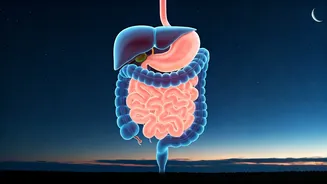
stable blood sugar, preventing energy crashes and promoting sustained focus. Moreover, smart snacking aids in managing weight by curbing overeating and providing essential nutrients. Regular, nutrient-rich snacks contribute to overall health by supplementing meals and ensuring a balanced diet. Furthermore, it allows individuals to incorporate important vitamins and minerals, promoting overall well-being.
Smart Snack Selection
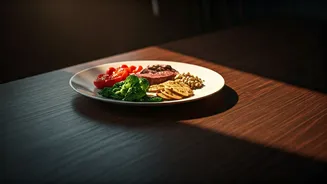
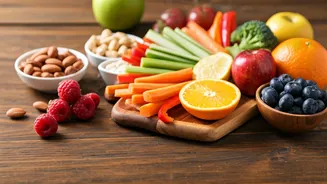
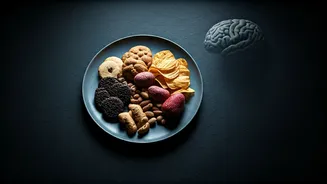
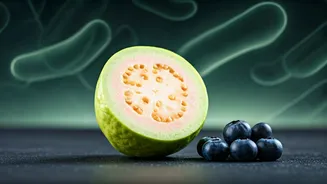
Prioritizing whole, unprocessed foods forms the cornerstone of smart snacking. Fruits and vegetables, naturally packed with vitamins, minerals, and fiber, are excellent choices. Consider options such as apple slices with peanut butter, a handful of berries, or carrot sticks with hummus. Incorporating protein-rich snacks, like Greek yogurt or a small serving of nuts, aids in satiety and muscle support. Whole-grain options, such as whole-wheat crackers, deliver sustained energy. Avoiding heavily processed snacks with added sugars, unhealthy fats, and excessive sodium is also crucial. Reading food labels carefully helps make informed decisions. Consider snacks that offer a balance of nutrients, including a combination of protein, healthy fats, and complex carbohydrates.
Portion Control Matters
Mindful portioning is crucial for reaping the benefits of healthy snacking. Overeating, even of nutritious snacks, can hinder weight management goals. Pre-portioning snacks into individual servings is a simple yet effective strategy. Using small containers or bags helps avoid overconsumption. Pay attention to serving sizes listed on food packaging, ensuring adherence to recommended amounts. Being aware of your body's hunger and fullness cues also plays a vital role. Avoid mindless snacking while distracted, as it can lead to unintentional overeating. Eating slowly and savoring each bite can help you recognize when you're satisfied.
Hydration and Snacking
Water often gets overlooked, but it is an essential component of healthy snacking. Often, the body can mistake thirst for hunger, leading to unnecessary snacking. Staying hydrated helps control cravings and supports overall bodily functions. Drinking a glass of water before snacking can help determine if the urge is genuine hunger. Including hydrating foods like cucumbers or watermelon provides added benefits. Combining snacks with water helps optimize nutrient absorption and promotes satiety. Adequate hydration is especially important when consuming snacks that contain fiber, which requires water to function properly. Therefore, water enhances the benefits of healthy snacks.
Snacking for Special Needs
Individuals with specific health needs or dietary requirements might need to tailor their snacking choices. People with diabetes should opt for snacks that have a low glycemic index and avoid foods that cause rapid blood sugar spikes. Those managing weight benefit from high-fiber, low-calorie options to stay full longer. Individuals with food allergies or sensitivities must carefully read labels and choose snacks free of problematic ingredients. Pregnant women often have increased nutritional needs and should select nutrient-dense snacks to support both their health and the baby's development. Always consult with a healthcare professional or a registered dietitian for personalized advice regarding snacking to address any specific health considerations.
Creative Snack Ideas
Transforming healthy snacking into an enjoyable activity can be achieved through variety and creativity. Prepare trail mix with nuts, seeds, and dried fruit for a custom snack. Blend a smoothie with fruits, vegetables, and protein powder for a quick, nutritious option. Hard-boiled eggs offer a portable source of protein. Cottage cheese combined with fruit makes a satisfying treat. Air-popped popcorn, seasoned with herbs or spices, provides a whole-grain option. Vegetable sticks with homemade hummus are an excellent choice for a fiber-rich snack. These diverse options make healthy snacking both appealing and manageable.
Snacking and Meal Timing
Strategic snacking complements meal timing and prevents overeating at meals. Scheduling snacks between meals helps manage hunger and maintain steady energy levels. Avoid skipping meals in the hopes of eating more during snack times. Plan snacks in advance to align with your daily schedule and dietary requirements. Consider snack timing based on physical activity levels; those who engage in exercise may require snacks to fuel their workouts or assist in recovery. Ensure snacks are consumed at least one to two hours before a main meal to avoid disrupting appetite and digestion. Proper timing will enhance the overall benefits of a balanced diet.