

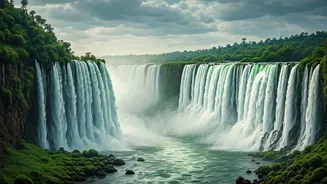
A Grand Cascade
Prepare to be mesmerized by Shoshone Falls, a truly magnificent waterfall located in south-central Idaho, often referred to as the 'Niagara of the West.'
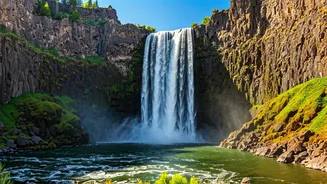
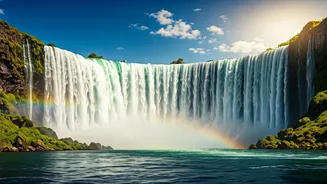
While Niagara Falls might claim the title for sheer volume of water, Shoshone Falls dramatically outshines its counterpart in height, plunging an astonishing 212 feet. Its impressive horseshoe shape, reminiscent of its New York namesake, is a masterpiece of nature, adorned with numerous cascading sections. The mighty Snake River, before its dramatic descent, experiences a natural narrowing, funneling its powerful flow into a more concentrated 400-foot-wide channel. This convergence, dotted with small islands, leads the water over a broad 900-foot-wide precipice, creating a breathtaking spectacle as it crashes into the emerald pool below. The resulting mist often paints vibrant rainbows across the canyon, adding to the ethereal beauty of this natural wonder. The sheer power and visual impact are amplified during the spring, when melting snow replenishes the river, leading to peak water flow and an unforgettable display.
Echoes of History
The allure of Shoshone Falls extends beyond its visual splendor, weaving a rich tapestry of historical and cultural significance. The falls are named in honor of the Shoshone (or Shoshoni) people, an indigenous tribe deeply connected to the land, who historically utilized the Snake River for sustenance, particularly fishing. This area was also a significant landmark for early explorers and settlers traversing the challenging Oregon Trail in the mid-19th century. Many would make a notable detour from their arduous journey to witness the grandeur of Shoshone Falls. Adding another layer to its lore, the falls area was the site of a daring, albeit unsuccessful, stunt attempt by Evel Knievel in 1974. His ambitious jump across the Snake River Canyon near Shoshone Falls marked one of the final chapters of his adventurous career, further embedding the location in popular culture.
Exploring the Falls
Visiting Shoshone Falls offers an immersive experience for every nature enthusiast. Beyond the primary viewing platform that provides an unobstructed panorama of the cascading waters, the surrounding Shoshone Falls Park is replete with amenities designed for a memorable outing. Visitors can explore a network of scenic hiking trails that wind through the picturesque landscape, offering various vantage points of the falls and canyon. For those seeking a more relaxed experience, well-maintained picnic areas provide the perfect setting for a meal amidst the natural beauty. Playgrounds are available for families with younger children, ensuring entertainment for all ages. Furthermore, a boat ramp is conveniently located for those wishing to explore the Snake River from a different perspective. Complementing the main attraction, the nearby Dierkes Lake offers additional recreational opportunities, including excellent swimming spots and more hiking trails, providing a complete outdoor adventure. Just downstream, the intriguing Pillar Falls present a unique visual, characterized by a lower cascade bisected by distinctive rock formations.
Best Times to Visit
To fully appreciate the magnificence of Shoshone Falls, timing your visit is crucial, especially considering the seasonal fluctuations in water flow. The most spectacular time to witness the 'Niagara of the West' is typically during the spring and early summer months. This period coincides with the melting of snowpack, which significantly boosts the Snake River's water levels, resulting in the most powerful and impressive cascades. As the summer progresses into autumn, a considerable portion of the Snake River's water is diverted for agricultural irrigation. This diversion, while essential for local farming, dramatically reduces the volume of water flowing over the falls, diminishing their visual impact. Although the falls will continue to flow year-round, the diminished flow later in the season offers a less dramatic, though still scenic, experience. Entry to Shoshone Falls Park and Dierkes Lake is managed by the City of Twin Falls, with a modest fee of $5 per vehicle applicable from March through September. During the winter months, access to the falls is complimentary, offering a more serene, albeit less powerful, viewing opportunity.