


A Glimpse into Royalty
A remarkable piece of culinary history has surfaced, offering an intriguing peek into the dining habits of Indian royalty over a century ago. Historian
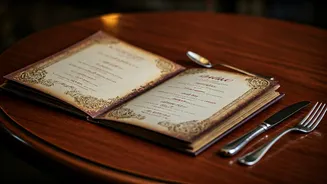
Neha Vermani unearthed a menu from a grand dinner hosted by the Maharaja of Baroda on January 31, 1897. This opulent event was held at the magnificent Laxmi Vilas Palace in Gujarat, during the period of British rule. The menu itself is a captivating document, detailing a sophisticated spread that masterfully combined the intricate techniques of French haute cuisine with the rich flavors and preferences of Indian royal palates. Vermani shared this discovery, noting how unexpected the menu was, filled with elements like truffles and artichokes, and a liberal use of French terminology, suggesting a very cosmopolitan approach to fine dining for the time. This find provides a tangible link to the past, illustrating how the Indian elite of the late 19th century embraced and adapted global culinary trends.
A Fusion of Flavors
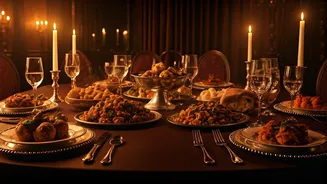
The 1897 menu from the Maharaja of Baroda's banquet for the Maharaja of Gwalior presents a truly extraordinary culinary landscape, a testament to the era's sophisticated palate and international influences. The meticulously crafted dishes showcase an ambitious integration of classic French gastronomy with distinct Indian royal tastes. Imagine starting with 'Iotage d'Amandes,' a delicate almond custard or flan, designed to subtly awaken the senses. Following this would be 'Poisson Braise sauce Mayonnaise,' a beautifully braised fish served with a rich, creamy mayonnaise. For soup, guests were treated to 'Creme de Volaille truffes,' a luxurious chicken cream soup generously infused with the earthy aroma of truffles. The main courses continued this theme of refined fusion: 'Cotelettes de mouton a l'Italienne,' lamb cutlets prepared in an Italian style, likely seasoned with fresh herbs, and 'Selle de perdreau rotie aux Petits Pois,' featuring roast saddle of partridge accompanied by fresh peas. Even the vegetable and side dishes displayed this unique blend, such as 'Fonds d'artichauts a la demi-glace,' tender artichoke bottoms simmered in a classic French demi-glace, and a surprising 'Curry de Macedoine de Legumes et Ris,' a vegetable and rice curry, hinting at a nod to local flavors. The meal concluded with 'Pommes a la creme,' creamy apples, and the refreshing 'Glace de Pistachoo,' a delightful pistachio ice cream.
Echoes of Global Culture
The rediscovery of this 1897 dinner menu offers more than just a historical account of food; it serves as a profound lens through which to view the engagement of the Indian elite with global culture during the late Victorian era. The menu's sophisticated French nomenclature and the inclusion of ingredients like truffles and artichokes reflect a clear adoption of Western aristocratic dining standards. This mirrors observations made by other users who noted that Indian princes often lived with a grandeur comparable to Western aristocrats, as evidenced by their palatial residences. The menu's composition strongly suggests a deliberate effort to impress and dazzle guests, a common objective of such elaborate banquets. Furthermore, the presence of dishes like the 'Curry de Macedoine de Legumes et Ris' indicates a thoughtful integration of Indian culinary elements, perhaps described in French to align with the overall theme, showcasing a nuanced appreciation for both international trends and indigenous flavors. This historical artifact, now housed in an archive in the USA, highlights the cosmopolitan outlook and refined tastes that characterized the Indian royal courts of the 19th century.