






Jojoba's Scalp Balance
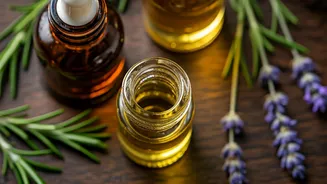
Jojoba oil, a liquid wax remarkably similar to the scalp's natural sebum, is a fantastic partner for castor oil. Its unique composition ensures your scalp readily
recognizes and absorbs it, preventing both dryness and excessive oiliness. This balance is crucial, as a healthy scalp environment with clear follicles is the foundation for robust hair growth. By incorporating jojoba oil into your castor oil mixtures, you can effectively soothe an itchy scalp, manage excess oil production, and create an overall more comfortable scalp. This blend is particularly beneficial for those experiencing oily roots alongside dry ends, offering a harmonizing effect that supports follicular health and encourages better hair vitality.
Argan's Silken Shine
Often hailed as "liquid gold," argan oil boasts an impressive profile of antioxidants and essential fatty acids that work wonders on hair strands. It smooths the hair cuticle, bestowing an immediate gloss and healthier appearance. When combined with castor oil's deep moisturizing properties, argan oil introduces a desirable softness and fluidity to the hair, mimicking a high-end salon finish. This synergistic mix is ideal for combating frizz, enriching color-treated or chemically processed hair, and for individuals who prefer a less heavy oiling experience. The result is hair that feels thoroughly nourished yet retains a light, airy quality, all while boasting a more pleasant aroma than undiluted castor oil.
Mastering Castor Blends
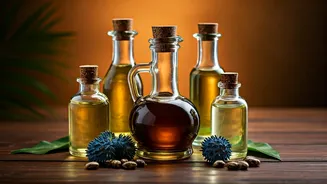
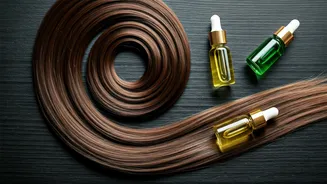
A common pitfall when using castor oil is applying it too liberally due to its viscous nature. Experts advise that castor oil should constitute the smaller component of any hair oil blend. An effective ratio to aim for is one part castor oil to two parts of a carrier oil, such as coconut, almond, jojoba, or argan oil. For an added boost, consider incorporating 3–5 drops of rosemary oil. To enhance application and the sensory experience, gently warm the mixture between your palms before massaging it into your scalp and hair. This warming not only aids in better oil distribution but also contributes to a more relaxing and therapeutic massage session.
Almond's Gentle Nourishment
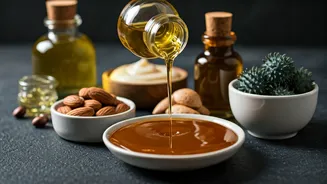
Almond oil, a treasure often overlooked, is cherished by beauty aficionados for its lightweight texture and abundance of vitamin E. Its gentle nature makes it incredibly kind to the scalp, and its historical use in various cultural beauty traditions highlights its efficacy in improving hair texture and nourishment. When blended with castor oil, almond oil softens the blend's density, transforming it into a silky, luxurious treatment rather than a heavy mask. This combination is excellent for mitigating hair breakage, imparting a feeling of softness and shine, and making hair significantly more manageable. It’s a particularly effective solution for hair that tends to tangle easily or appears dull.
Coconut's Penetrating Power
Coconut oil serves as an exceptional companion to castor oil, owing to its lighter consistency and ease of spreading. It effectively assists castor oil in penetrating the hair shaft more uniformly, essentially optimizing the overall effectiveness of the blend. What sets coconut oil apart is its remarkable ability to penetrate the hair's core rather than merely coating the surface. This deep penetration leads to diminished protein loss, resulting in stronger strands and reduced breakage – issues often misconstrued as slow hair growth. By combining one part castor oil with two parts coconut oil, you create a smoother mixture that is simpler to wash out, especially beneficial for hair that feels dry, rough, or has been compromised by heat styling.
Rosemary's Growth Stimulation
Rosemary oil stands out due to scientific research supporting its potential to enhance hair growth conditions. Studies have indicated that blends incorporating rosemary oil can lead to improvements in hair density, thickness, and a reduction in hair fall over time. However, rosemary oil is quite potent and should never be used alone. The recommended approach is to add just a few drops of rosemary essential oil into a castor oil mixture. In this pairing, castor oil provides essential moisture and protection, while rosemary oil works to stimulate circulation around the hair follicles. This combination offers a balanced treatment, often lauded by beauty experts as a natural scalp therapy. Precision is key; a few drops are sufficient, as excessive amounts do not yield better results.
Application & Realistic Growth
Effective hair oiling extends beyond simply coating the strands; the true benefits are unlocked through scalp massage. Utilize your fingertips, not nails, to gently massage your scalp for approximately five minutes. This action boosts blood circulation and ensures the oils are distributed evenly. Allow the oil to remain on your scalp for a minimum of 30 minutes, or even overnight if your scalp can tolerate it. When washing, shampoo gently, potentially requiring a double cleanse to thoroughly remove heavier oils. Aim for application two to three times per week, as overuse can lead to scalp buildup rather than positive effects. It's important to understand that no oil can drastically accelerate hair growth speed. Castor oil's primary function is to enhance hydration, minimize breakage, and protect existing strands, thereby making hair appear fuller and longer over time. This protection against damage is often the key to retaining length, contributing to the visible growth of healthier, stronger hair.