






Planned Cooking Windows
Fragmented cooking, with numerous small cooking sessions spread throughout the day, is a major contributor to excessive fuel usage. A more streamlined
approach involves consolidating culinary tasks into designated, planned periods. For households, this could mean preparing multiple components for different meals concurrently or in advance. In commercial kitchens, it translates to structured preparation cycles and batch cooking, ensuring that ingredients are cooked in larger quantities when the flame is already on. This deliberate energy allocation fosters a more efficient kitchen environment, moving away from continuous, often unnecessary, heat application and thereby conserving LPG.
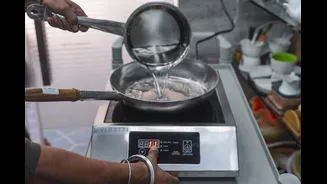
Reimagining Milk Boiling
For generations, boiling milk has been an ingrained practice in Indian kitchens, primarily driven by a historical need for safety. However, advancements in food processing have altered this necessity. Ultra High Temperature (UHT) processed milk, often found in aseptic packaging like Tetra Pak, undergoes significant heat treatment during manufacturing, rendering it sterile and safe before it even reaches the consumer. This pre-treatment effectively fulfills the purpose that home boiling once served. Consequently, continuing to boil UHT milk at home is largely a carryover from past practices rather than a present requirement. Embracing UHT milk offers a straightforward method to eliminate a daily cooking step, contributing to considerable LPG savings over time without compromising on milk's safety or quality.
Smart Ingredient Choices
A considerable amount of fuel is expended not just on the primary cooking process but also on preparatory stages that can be easily circumvented. The market now offers a diverse array of ready-to-use ingredients, such as pre-made soup bases, tomato purees, and other cooking pastes, designed for direct application. At home, this translates to adding milk directly into beverages or utilizing ready-made tomato puree without an additional cooking step to thicken it. For restaurants, these ingredients expedite meal assembly, ensure consistency in dishes, and reduce the need for repeated use of cooking apparatus. The focus here is on optimizing the culinary workflow by eliminating steps that no longer add substantial value to the final product or process.
Intentional Flame Use
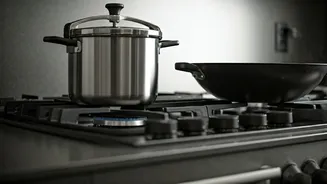
Many kitchens inadvertently waste fuel by leaving burners on unnecessarily between tasks or by operating them at an intensity higher than required for the specific cooking operation. This constant, often unnoticed, expenditure of fuel can accumulate significantly. Practicing intentional flame management involves actively switching off burners when they are not in use, adjusting heat levels according to the cooking requirements of each dish, and matching the size of the cooking vessel to the burner to ensure optimal heat transfer. These appear to be minor adjustments, but their consistent application yields a tangible improvement in fuel efficiency and overall LPG conservation.
Minimizing Food Waste
The economic implications of food waste are widely recognized, but its connection to energy consumption is equally critical. Over-preparation of food frequently leads to situations where leftovers need to be reheated or re-cooked, directly increasing fuel usage. By implementing strategies to reduce food waste, kitchens can also decrease the instances of these secondary energy-consuming processes. A more mindful approach to purchasing, preparation, and portioning results in fewer discarded items and, consequently, a lower demand for energy to manage surplus food, thereby contributing to LPG savings.
Cultivating Energy Awareness
Ultimately, achieving significant fuel efficiency hinges on cultivating a heightened awareness of everyday energy consumption patterns. Many of the most impactful opportunities for LPG savings lie within the small, routine decisions made in the kitchen. This includes consciously avoiding unnecessary boiling of ingredients, prioritizing the use of pre-prepared or ready-to-use food items, and diligently turning off burners the moment they are no longer needed. When these mindful practices are embedded into daily routines and consistently followed, they contribute to substantial cumulative savings, benefiting both individual households and commercial food establishments.