



Missing Link Unveiled
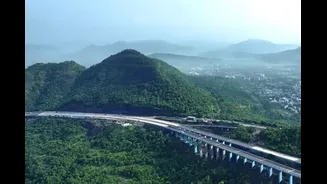
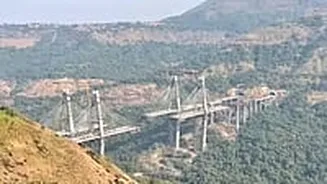
The Mumbai-Pune Expressway is undergoing a significant transformation with the imminent completion of its 'Missing Link.' This crucial 13.3-km addition,
which bypasses the often-congested ghat section, promises to drastically cut travel durations. A key highlight is India's longest twin-tube road tunnel, a monumental engineering feat costing Rs 8,000 crore. By circumventing the ghats, known for their challenging curves and traffic snarls, especially during the monsoon season, commuters will experience a smoother and quicker journey between Mumbai and Pune. This development is poised to redefine inter-city travel efficiency, offering a substantial improvement over the existing route.
Speed Limits & Safety
In light of the expressway's substantial infrastructure upgrades, including the new tunnel, a review of the current speed limits is underway. Presently, light motor vehicles are permitted to travel at 100 kmph, while heavy vehicles are restricted to 80 kmph. The enhanced engineering of the Missing Link might warrant adjustments to these regulations. The Maharashtra Highway Police are actively bolstering safety protocols, integrating advanced surveillance technologies, speed detection cameras, and a comprehensive emergency support framework to ensure traveler security. The project prioritizes a seamless and secure transit experience for all users.
Tunneling Ahead
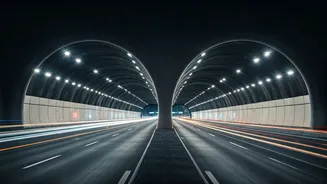
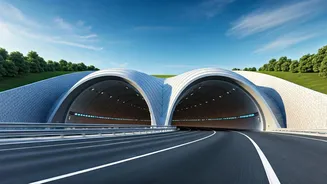
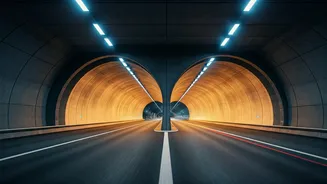
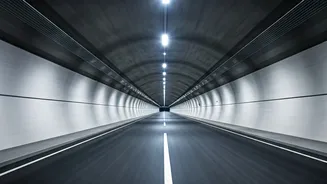
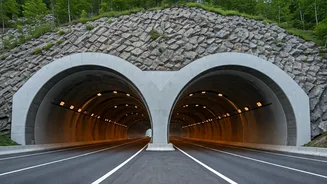
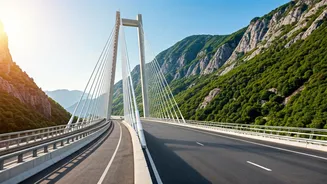
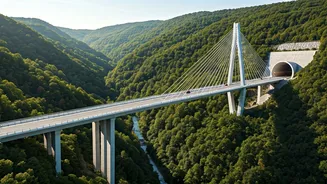
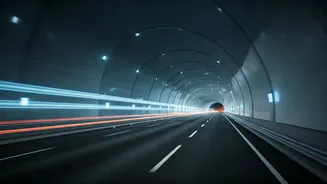
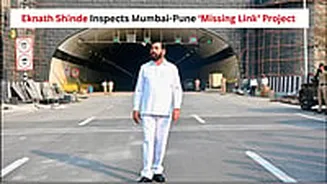
The 'Missing Link' project prominently features an impressive 1.7-km twin-tube tunnel, a testament to modern engineering prowess. Designed to accommodate high-speed traffic, this tunnel is outfitted with cutting-edge safety systems, including sophisticated fire detection and suppression mechanisms, effective ventilation, and accessible emergency exits. Complementing the tunnel are eight-lane twin tunnels of 1.75 km and 8.92 km, alongside two eight-lane viaducts measuring 790 metres and 650 metres. This integrated infrastructure aims to create an uninterrupted and highly efficient travel pathway, significantly reducing the overall distance by approximately six kilometers.
Travel Time Boost
Upon its full operationalization, the 'Missing Link' is anticipated to shave off at least 30 minutes from the typical travel time between Mumbai and Pune. This reduction will bring considerable relief to daily commuters, business travelers, and the entire logistics sector, thereby fostering economic growth and strengthening regional connectivity. The new infrastructure will effectively reduce the existing 19 km stretch from Khopoli exit to Sinhgad Institute to a mere 13.3 km, leading to an estimated 20-25 minute saving due to the bypass of the ghat section.
Emergency Response Network
To ensure immediate assistance, a comprehensive 24x7 emergency and enforcement nerve center has been established. This system comprises twin multi-agency control rooms staffed around the clock by personnel from the Highway Police, MSRDC, and RTO. These control rooms monitor numerous Pan-Tilt-Zoom CCTV cameras along the Missing Link, enabling swift responses to vehicle stoppages, accidents, or fire incidents. Emergency vehicles, including ambulances and fire tenders, can be dispatched efficiently, even utilizing the opposite tunnel corridor via connecting passages. Furthermore, SOS panic buttons are strategically placed every 250 meters, directly alerting the control room to any distress calls. Speeding violations will be monitored using speed guns deployed at the entry points of the Missing Link.
Operational Phases & Rules
The initial phase of the Missing Link's operation, from May 1 to October 31, restricts access to Light Motor Vehicles, passenger buses, and other passenger vehicles, with a speed limit of 100 kmph for cars and 80 kmph for buses. From November 1 onwards, goods vehicles may be permitted after a six-month review. Critically, vehicles carrying hazardous or inflammable materials are completely banned and will continue to use the existing expressway. The Missing Link features four lanes plus a shoulder lane in each corridor, offering more space than the expressway's three lanes. Notably, stopping of vehicles is prohibited, similar to the expressway's rules, ensuring continuous traffic flow.