





A Tourism Paradox
Thailand's tourism sector is navigating a complex period, facing the unexpected consequences of escalating geopolitical events in the Middle East. While
global flight routes are experiencing significant alterations and travel plans are being unsettled, Thailand appears to be maintaining its appeal as a destination. Reports indicate a notable influx of visitors from crucial markets like China, South Korea, Russia, the UK, Malaysia, and India. This resilience is partly attributed to the return of travelers from longer distances, particularly from Europe, who are showing renewed trust in Thailand's stability and accessibility. Even with the need for airlines to adjust their flight paths to circumvent conflict zones, major carriers continue their operations, ensuring that travel demand is sustained. Thailand is strategically positioning itself as a secure 'middle ground', geographically removed from the immediate conflict but sufficiently connected to remain a viable option on international travel itineraries.
Unprecedented Hotel Savings
A significant development for prospective travelers is the drastic reduction in hotel prices across Thailand, with luxury accommodations seeing discounts as steep as 70%. Previously priced at around $1,000 per night, these premium stays are now accessible for under $300. Renowned establishments are offering attractive packages that include added amenities like personal butler service. Coastal resorts, from the shores of Railay Beach to the bustling island of Phuket, are also significantly reducing their rates, in some cases by almost half. This trend mirrors similar pricing adjustments seen in other global destinations that have experienced or been affected by regional instability, where better deals on accommodation and entertainment are offered to stimulate local and tourist engagement. For Indian travelers, this presents an exceptional opportunity to experience high-end accommodations and services at prices typically associated with mid-range options.
Navigating Travel Disruptions
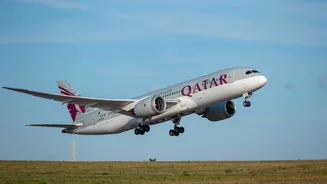
Despite the enticing deals, the impact of the ongoing geopolitical situation on travel cannot be understated. Evidence suggests that a portion of hotel bookings in popular areas like Phuket has been canceled, primarily due to disruptions affecting a number of airlines. European travelers, who often utilize Middle Eastern hubs for transit, are particularly susceptible to these changes. As of March 24, a substantial number of flights—244 cancellations and 2,396 delays—have been recorded, impacting a broad spectrum of countries including Japan, India, Thailand, Qatar, and the UAE, as well as carriers such as Air China, Air India, Batik Air, and Emirates. Tourism is a vital pillar of Thailand's economy, contributing approximately 20% and with an ambitious target of 37 million visitors by 2026. However, current arrivals from Europe and the Middle East are already trailing behind normal levels by 16%, highlighting the vulnerability of this target. The coming months are crucial, and sustained conflict could lead to deeper repercussions for Thailand's tourism and global travel patterns.
A Strategic Travel Choice
Ultimately, the decision to travel to Thailand at this juncture involves weighing potential benefits against inherent risks. For those with a flexible schedule and an appetite for bargains, the current situation offers a rare chance to indulge in luxurious Thai experiences at a considerably reduced cost. This window of opportunity for experiencing five-star services at a fraction of the usual price is particularly appealing. Conversely, for travelers who prioritize certainty and meticulous planning, the unpredictability stemming from global geopolitical events might overshadow the allure of discounted rates. The situation demands careful consideration of personal risk tolerance and travel priorities when making plans to visit Thailand during this dynamic period.