





Natural Pest Repellents
Transform your garden into a pest-free haven with nature's own defenses. Certain vegetables possess inherent properties that deter common garden nuisances,
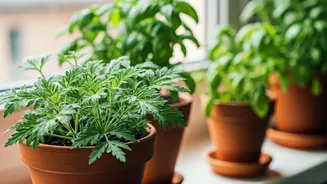
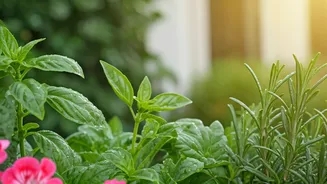
offering a dual benefit of edible produce and natural protection. For instance, planting aromatic herbs like basil, mint, and rosemary strategically around your vegetable patches can confuse and repel insects seeking to feast on your crops. These potent plants release scents that mask the aroma of vulnerable vegetables, making them harder for pests to locate. Similarly, marigolds, often lauded for their vibrant blooms, also act as a natural deterrent against a range of unwanted garden guests, including nematodes in the soil and even some flying insects. Their roots release a substance that is toxic to certain soil-borne pests, while their strong fragrance can ward off others. Incorporating these plant choices not only enhances the biodiversity of your garden but also contributes to a more sustainable and chemical-free approach to pest management, ensuring your vegetables grow healthy and strong.
Bird-Friendly Gardening
Cultivating a garden that welcomes birds not only adds charm but also introduces natural pest controllers. Experts recommend leaving certain plants standing through the fall to provide essential food and shelter for avian visitors. For example, leaving seed heads on plants like coneflowers, sunflowers, and black-eyed Susans offers a vital food source as winter approaches. Deciduous shrubs and trees with berries, such as serviceberries and hollies, provide crucial nourishment. Additionally, dense foliage and fallen leaves offer protection from predators and the elements. By embracing a more hands-off approach in autumn and winter, gardeners can significantly support local bird populations, which in turn can help manage insect populations throughout the growing season. This symbiotic relationship transforms your garden into a healthier ecosystem for both plants and wildlife.
Feeder Management and Cleaning
Maintaining clean hummingbird feeders is paramount for the health of these delicate creatures. Experts suggest taking down feeders when the weather consistently drops below 50 degrees Fahrenheit, as hummingbirds may have migrated or are less active. When feeders are in use, regular cleaning is non-negotiable to prevent the growth of mold and bacteria, which can be harmful. A simple, natural cleaning solution recommended by professionals involves a solution of one part white vinegar to four parts water. Scrubbing the feeder components thoroughly with this mixture and rinsing them meticulously before refilling ensures a safe feeding environment. This practice not only protects the birds but also encourages them to continue visiting your garden, providing opportunities for delightful observation and contributing to pollination.
Carpenter Bee and Mole Control
Dealing with carpenter bees and moles requires specific strategies to protect your home and garden. Carpenter bees, known for drilling perfectly round holes in wooden structures, can be deterred by a variety of methods. Experts suggest using specialized traps, which can be easily made or purchased, that lure these bees into a container from which they cannot escape. Natural deterrents, such as almond oil or citrus sprays, can also be applied to wooden surfaces to make them less appealing. For moles that tunnel through lawns and gardens, creating an unfavorable environment is key. Natural repellents recommended by pest control professionals often involve castor oil-based products or introducing strong scents like garlic or chili powder into their tunnels. Astonishingly, some gardeners have found success with unconventional methods, like placing plates in their garden, which can disrupt mole tunneling and deter them from further damage. These targeted approaches help manage these persistent pests effectively.
Weed and Invasive Plant Management
Effective weed control is essential for a healthy garden, and choosing the right groundcover can significantly reduce the need for constant manual weeding. Dense, low-growing groundcovers like creeping thyme or sedum can outcompete weeds by limiting sunlight and space for their growth. Understanding your lawn's specific needs is also crucial; over-watering or incorrect fertilization can actually encourage weed proliferation. Signs that your weed control efforts are not working include persistent weeds despite regular treatment or the spread of invasive species. Speaking of invasiveness, certain types of privet are notorious for their aggressive growth and ability to displace native plants. Gardening experts advise thorough research before planting any variety of privet, as some can become invasive and difficult to manage, impacting the local ecosystem. Prioritizing native or non-invasive alternatives ensures a more balanced and sustainable garden environment.