


Moon Through a Telescope
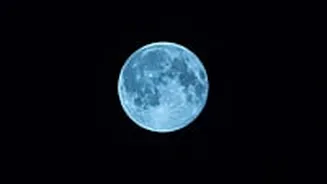
To truly appreciate the moon's intricate details, timing is key. While it's a constant presence, certain phases offer the most rewarding telescopic views.
The first quarter moon, for instance, is particularly spectacular. During this phase, the sun's light strikes the lunar surface at an angle, casting long shadows across the craters and mountains. These shadows accentuate the rugged topography, making features like the Sea of Tranquility or the Tycho crater stand out in sharp relief. It’s during this time that observers can marvel at the dramatic interplay of light and dark, revealing the moon’s three-dimensional texture. Waiting for the full moon, while tempting, is often less ideal for detailed observation because the high-angle sunlight flattens the landscape and minimizes shadows. Therefore, aiming your telescope during the waxing or waning gibbous phases, and especially the first and third quarters, will provide a far more engaging and revealing experience of our celestial satellite.
Capturing Lunar Light
Photography offers a unique lens through which to view the moon, often revealing aspects unseen by the naked eye. One fascinating technique involves capturing both day and night on the lunar surface, particularly during the first quarter phase. This photographic feat takes advantage of the dramatic shadows cast by the low-angle sunlight. The illuminated portion of the moon, bathed in direct sunlight, contrasts sharply with the darkened craters and valleys still in shadow. By skillfully adjusting exposure and capturing multiple images, a photographer can combine them to showcase this striking duality. This method allows viewers to appreciate the moon’s rugged terrain not just as a bright disc, but as a world with distinct light and dark regions, highlighting its mountainous landscapes and deep impact basins. It's a testament to how photography can transform our perception of familiar celestial bodies.
Celestial Alignments and Earthshine
The night sky frequently hosts breathtaking conjunctions, where the moon appears to dance with other celestial objects. One such spectacular event is the alignment of Venus and the crescent moon following sunset. This dazzling display creates a beautiful visual harmony, with the bright planet and the slender lunar sliver gracing the twilight sky. Another enchanting phenomenon is Earthshine, where the faint glow of the Earth reflects off the moon's dark surface, revealing the 'hidden' portion of the crescent. This subtle illumination allows you to see the full disc of the moon, not just the sunlit part, giving it a ghostly, ethereal appearance. Observing the moon 'swallowing' a star, an occultation event, offers a dramatic visual where the moon passes in front of a star, momentarily obscuring it. Furthermore, the moon often appears in the company of other planets and star clusters, such as the Pleiades, creating stunning photo opportunities and memorable stargazing nights.
Daytime Moon and Planetary Companions
While many associate the moon solely with nighttime, it often makes a striking appearance in the daytime sky. Observing the moon during daylight hours offers a different perspective, highlighting its presence as a constant companion, even when obscured by the sun's glare. These daytime sightings can be just as awe-inspiring as their nocturnal counterparts. Adding to the celestial spectacle, the moon frequently teams up with bright planets for stunning alignments. A particularly captivating sight occurs when Jupiter, Venus, and Mercury congregate near the moon, creating a visually rich tapestry of celestial bodies. These conjunctions, where multiple planets and the moon cluster together, are prime opportunities for both naked-eye viewing and astrophotography, showcasing the dynamic movements within our solar system.
Exploring Lunar Features
The moon's surface is a canvas of dramatic geological formations, many of which become particularly visible during specific phases. The half-lit first quarter moon provides an excellent opportunity to witness the captivating shadows cast by mountains and craters. These shadows accentuate the moon's rugged terrain, revealing the depth and scale of its impact craters and ancient lava flows. Look closely, and you might even spot distinctive patterns, such as the 'X' and 'V' shapes that can appear on the lunar surface due to the way sunlight illuminates certain features and ridges. These visual puzzles add an element of discovery to lunar observation. Furthermore, scientists are continually re-evaluating our understanding of lunar phenomena, with recent studies casting doubt on earlier theories about water vapor being ejected from Jupiter's moon Europa, demonstrating the ongoing evolution of scientific knowledge about our solar system.