
Embrace Indian Spices
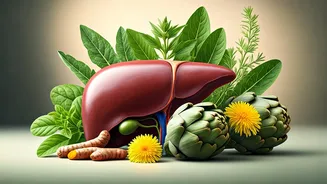
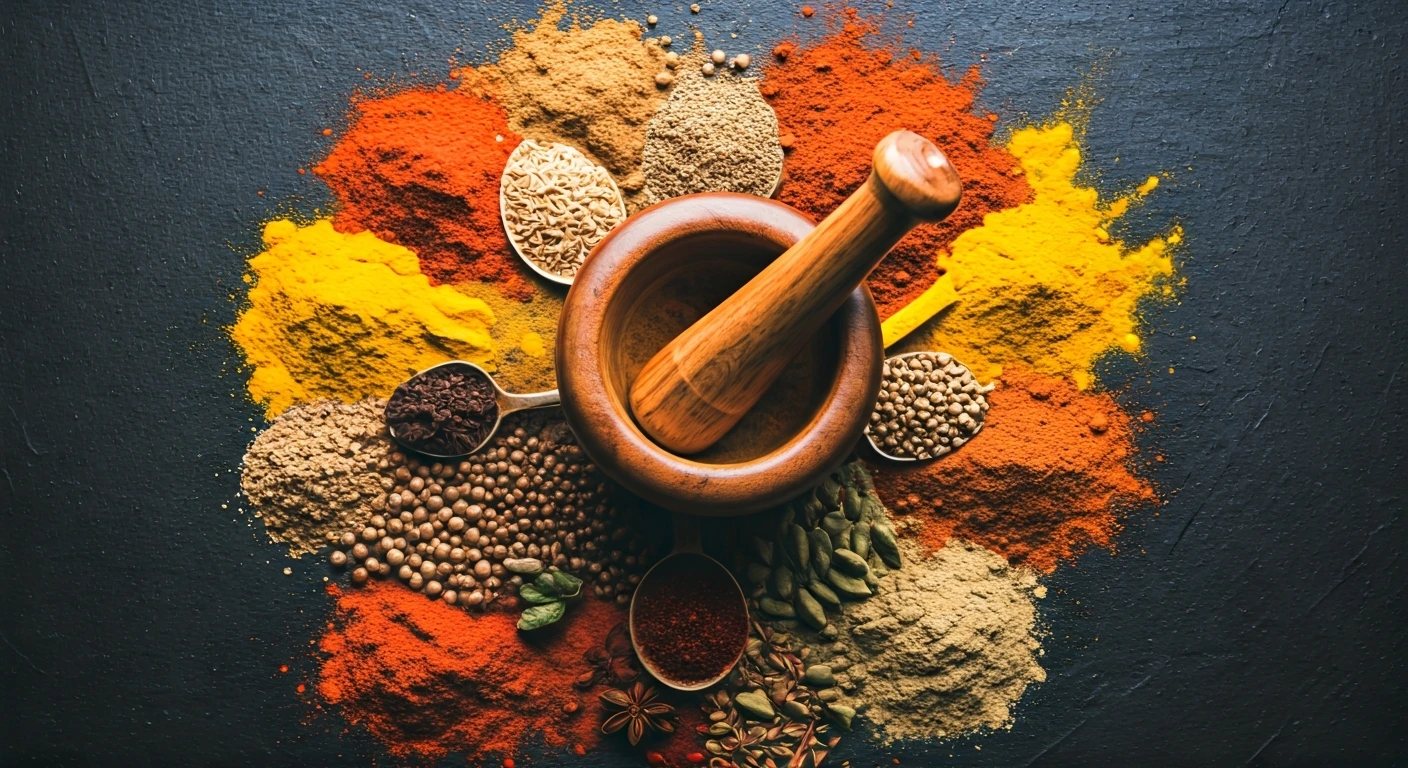
Indian cuisine, celebrated globally, owes its distinctiveness to a vibrant array of spices. Turmeric, a cornerstone, boasts curcumin, a powerful antioxidant
that combats inflammation and boosts immunity. Ginger, another star, aids digestion and reduces nausea. Garlic, often paired with ginger, offers similar benefits while supporting heart health. Cumin, coriander, and cardamom also play vital roles. Cumin helps digestion and improves immunity. Coriander assists in lowering cholesterol levels, and cardamom is known for its ability to regulate blood pressure and promote a healthy heart. Each spice brings its own set of health advantages, infusing both flavour and wellness into traditional Indian dishes. These spices aren't just flavour enhancers; they are potent contributors to overall health, enhancing the nutritional value and making meals both delightful and beneficial.
Grains and Legumes
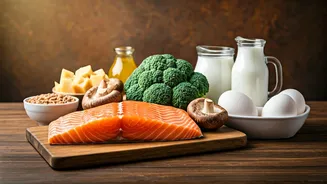
Grains and legumes are the heart of Indian meals, delivering essential carbohydrates, protein, and fibre. Rice, particularly brown rice, is a staple, offering sustained energy and vital nutrients. Whole wheat is another excellent choice, providing fibre for digestive health. Dal (lentils) and pulses such as chickpeas and kidney beans are significant sources of protein, crucial for muscle repair and overall body function. They are also packed with fiber, promoting healthy digestion and helping to manage blood sugar levels. Combining grains and legumes creates complete protein sources, offering all essential amino acids. These components together form the foundation of a balanced diet, crucial for sustained energy, efficient bodily function, and overall health in the Indian context.
Healthy Cooking Methods
Traditional Indian cooking techniques often emphasize methods that preserve nutrients and minimize unhealthy fats. Steaming is a fantastic choice, especially for vegetables, as it retains vitamins and minerals. Grilling and tandoor cooking offer delicious, low-fat options. Using a pressure cooker reduces cooking time, preserving nutrients while allowing for tenderising of tough cuts. Sautéing and stir-frying with minimal oil are also effective. Avoiding excessive deep-frying is vital. Instead of deep frying, favor techniques that utilize less oil, such as shallow frying, where food is cooked in a minimal amount of oil, is healthier than deep-frying. These methods ensure meals are both delicious and health-conscious, maintaining the integrity of ingredients and their nutritional benefits.
Importance of Vegetables
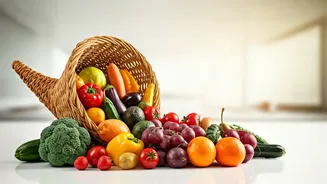
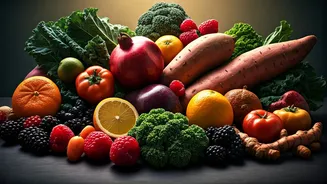
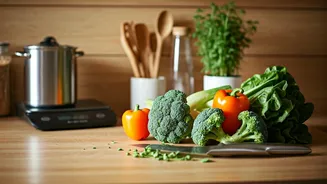
Vegetables are vital in a balanced Indian diet, offering a wealth of vitamins, minerals, and antioxidants. Leafy greens like spinach, fenugreek, and mustard greens are packed with nutrients, including iron and calcium. Seasonal vegetables such as bottle gourd, pumpkin, and okra provide essential vitamins. Colorful options like tomatoes, carrots, and bell peppers contribute antioxidants, protecting against cell damage. Incorporating a variety of vegetables in daily meals, whether in curries, salads, or side dishes, ensures a wide range of essential nutrients. This practice supports optimal health, boosting immunity and protecting against various diseases, making vegetables indispensable for overall well-being in the Indian diet.
Mindful Eating Practices
Mindful eating is a crucial aspect of healthy eating habits within the Indian tradition. Paying attention to hunger and fullness cues, eating slowly, and savouring each bite are essential practices. Avoiding distractions while eating helps focus on the meal, improving digestion and enhancing satisfaction. This also helps in reducing overeating. Practicing portion control is another essential factor. Eating at regular intervals supports stable blood sugar levels and prevents overindulgence. Traditional Indian meals often encourage mindful eating. These practices allow the body to properly process food and promotes overall well-being. By integrating these principles into daily routines, individuals can develop a healthier relationship with food and optimize their overall health.