







Metro Expansion Unveiled
The Delhi Metro is gearing up for a significant upgrade, as the cabinet has given the green light for an expansion project. This expansion is designed
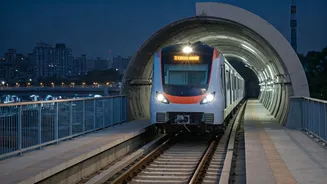
to inject fresh energy into the city's transport network. The plan entails the addition of thirteen brand-new stations, a move that is expected to provide substantial benefits to commuters and travelers alike. The project is strategically scheduled to be completed within a span of three years, marking a dedicated effort to enhance accessibility and ease of movement throughout the bustling capital. This endeavor is a testament to the ongoing commitment to fortifying the city's infrastructure and providing an efficient and dependable public transport system for all. This metro expansion signifies a leap forward in improving daily commutes for numerous individuals, making the city more accessible and connected.
Boosting Connectivity in Delhi
The primary objective of the Delhi Metro expansion is to dramatically improve connectivity across the city. The introduction of these thirteen stations will effectively bridge gaps in the current metro network, thereby making it easier for people to reach their desired destinations swiftly. This expansion directly addresses the needs of a growing population, guaranteeing that the public transport system can manage the increasing demands. A vital component of the project is the meticulous planning of station locations, aiming to enhance access to key areas. The expansion strategy includes integration of the new stations with existing lines, which creates a more fluid and efficient transport experience. This proactive step underscores the city's dedication to meeting the evolving needs of its residents and travelers by offering seamless transport options. This expansion ensures that everyone in Delhi, whether residents or visitors, benefits from efficient and hassle-free travel.
Impact on Commuters
The Delhi Metro's expansion is set to bring about substantial enhancements for those who rely on public transportation. With more stations in operation, commuters can look forward to shortened travel times and reduced travel distances to get to where they need to go. This enhancement of convenience is paired with improved accessibility to different parts of the city. The implementation of the expansion is projected to ease the usual strain on roads and other transport modes, in turn diminishing traffic congestion, particularly during peak hours. The metro is a dependable transport solution, therefore the expansion promises greater reliability, making daily commutes easier to organize. Ultimately, the project underscores a commitment to improving daily life for the citizens of Delhi, fostering convenience and a higher standard of living.
Future Travel Pathways
The upcoming Delhi Metro expansion is poised to reshape travel routes throughout the city. The addition of thirteen stations has the potential to introduce fresh travel pathways, altering the most convenient routes for passengers. This strategic expansion will result in a more dispersed network, making various areas more accessible than ever before. Those living in areas further from the existing network will enjoy increased accessibility, opening up new travel prospects and making different parts of the city more accessible. The project provides new travel alternatives to a wide audience and encourages people to choose public transportation over other methods. This strategy promotes better resource utilization, reduces congestion, and fosters a more sustainable urban environment.
Economic and Social Benefits
The Delhi Metro expansion's advantages extend beyond mere convenience, impacting the city economically and socially. Enhanced transport capabilities typically translate to boosts in productivity as commutes become faster and more predictable. The project stimulates economic growth by encouraging increased business activity across various areas. The expansion also enhances social equity, by providing efficient transportation for people from all backgrounds. The investment in metro infrastructure signifies an enhanced quality of life by enabling improved access to jobs, education, and social interactions, thereby promoting a more interconnected and dynamic society. By improving public transport options, the project promotes more sustainable urban development, decreases traffic congestion, and improves overall air quality.