
Introduction: Tiny Living
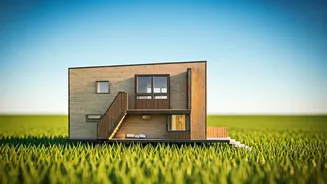
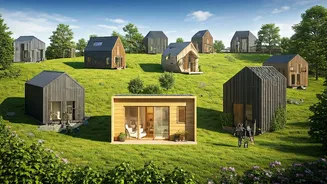
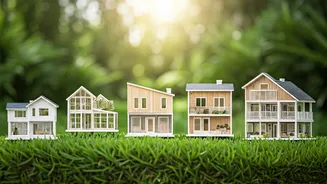
Tiny homes are more than just a trend; they represent a significant shift in how people view homeownership and lifestyles. They challenge conventional
notions of space and possessions, promoting minimalism, sustainability, and affordability. This concept has gained immense popularity for a number of reasons. Firstly, the movement is a direct response to rising property costs. Small homes are also often more environmentally friendly, requiring fewer resources for construction and operation, which resonates with those focused on sustainable living. The tiny house lifestyle often fosters a simpler, more intentional approach to life, encouraging individuals to prioritize experiences and relationships over material possessions. These homes can be designed and customized to match individual needs and tastes, ensuring the space is functional and reflects the owner's personality. This movement is a testament to human innovation and a willingness to rethink our relationship with space and possessions. This change of thinking demonstrates how you can live a high-quality life even in a smaller space.
The Keret House
Nestled in Warsaw, Poland, the Keret House is a symbol of architectural ingenuity. This home is remarkably narrow, with its widest point being a mere 152 centimeters. It was designed by architect Jakub Szczęsny and serves as an artistic installation more than a conventional dwelling. The Keret House is squeezed between two existing buildings, creating a unique urban infill project. The house is a symbol of how urban spaces can be creatively repurposed, which demonstrates that even the smallest gaps can be turned into functional living spaces. The design of the home incorporates clever features such as custom furniture and strategically placed windows to maximize natural light. Access to the house is via a retractable ladder, which adds to the uniqueness and minimalist approach. The Keret House provides a bold statement about how to maximize minimal space to its full potential.
The Micro Compact Home
The Micro Compact Home (MCH) redefines portable living with its innovative cube-like design. Created by a team from the Technical University of Munich, the MCH offers a modern, self-contained living space, perfect for various environments. Each unit is compact, typically about 2.6 meters by 2.6 meters, yet it accommodates a surprising amount of functionality, including a sleeping area, a small kitchen, and a bathroom. Its design is based on the idea of modularity, making it ideal for temporary housing solutions or for individuals seeking a minimalist lifestyle. The interior is designed to be space-efficient. It maximizes the use of every square meter with its clever storage solutions and convertible furniture. The MCH's design makes it extremely versatile and suitable for both urban and natural settings. This home is a testament to how innovative design can transform how one experiences the world.
Casa 10x10
Casa 10x10, a creation of the Brazilian architect Alan Chu, demonstrates how simplicity can be stylish and functional. The house, aptly named for its 10-meter by 10-meter footprint, efficiently utilizes space to offer a comfortable living experience. The design focuses on maximizing natural light and ventilation, ensuring a bright and airy atmosphere. Key features include a small courtyard that brings the outdoors in, creating a sense of spaciousness. The open-plan layout of the living and dining areas allows for flexibility and enhances the flow of movement within the house. The use of natural materials throughout the home adds warmth and a connection to nature. The architect's focus on practicality and aesthetic appeal showcases that simplicity and style can go hand in hand.
The Smallest House
The smallest house in Great Britain, located in Conwy, Wales, is a historical gem. Dating back to the 16th century, this tiny house is only 3.05 meters by 1.83 meters, making it an extraordinary example of compact living. The house was once the residence of a fisherman. The interior, though diminutive, still has enough room for basic living facilities and a bedroom. It attracts visitors globally, who are fascinated by its history and the ingenuity of its construction. The house serves as a remarkable illustration of how the needs of people were met centuries ago. It emphasizes that a tiny space could provide a comfortable and functional living environment. The dwelling is a testament to the enduring appeal of the past, as it offers a glimpse into how people have adapted to space limitations over time.
Minimalist House, Japan
In Japan, where space is often at a premium, minimalist houses are a common sight, which maximize functionality within restricted dimensions. These homes are designed to promote a sense of calm and order, which is influenced by Japanese principles of simplicity and efficiency. The designs often incorporate multi-functional spaces and built-in storage solutions. This creates a comfortable living environment while keeping the home organized. The interior design of these houses emphasizes natural light and the use of neutral colors to increase a sense of space and tranquility. The houses usually include a serene connection to nature with the help of a small garden or courtyard. These minimalist houses in Japan are designed in a way that provides a comfortable lifestyle in a small space.
Tiny House, USA
Tiny houses in the United States have become increasingly popular, showcasing the adaptability and variety of the tiny living movement. From converted trailers to custom-built structures, these homes reflect a wide range of tastes and requirements. The movement also embraces a variety of architectural styles, which ranges from rustic cabins to modern minimalist designs. Tiny houses in the USA are often designed with sustainability in mind, with the use of eco-friendly materials and energy-efficient appliances. The popularity of this movement in the United States reflects a broader shift towards a focus on financial freedom and environmental consciousness. These tiny houses offer a cost-effective way to achieve homeownership, which reduces the environmental impact.
The Bunkhouse
The Bunkhouse, often found in remote and rural locations, is designed for those seeking a simplified lifestyle or a getaway from urban life. Typically, a bunkhouse is a very basic structure with minimal amenities, meant for sleeping and essential living activities. It emphasizes a return to the fundamentals, which offers a break from the complexities of modern living. The design is straightforward and functional, focusing on practicality. Bunkhouses are often constructed with durable and sustainable materials, suitable for various weather conditions. Living in a bunkhouse can promote self-reliance. This offers a chance to connect with nature and experience a slower pace of life.
The Caravan
Caravans and mobile homes provide another way of living in small spaces, which is ideal for those who enjoy travel and flexibility. These mobile homes are designed to be self-contained, offering all the essential amenities for a comfortable life. Caravans can be easily moved to different locations, which allows their residents to explore and enjoy a variety of environments. The interiors of caravans are ingeniously designed to maximize the use of space. With the ability to fold away furniture and cleverly designed storage solutions, they offer a comfortable living environment. The portability of caravans ensures that homeowners can adapt to changing lifestyles and travel preferences, providing a sense of freedom.
The Pod Home
Pod homes, or modular homes, are an innovative response to the need for affordable and quick housing solutions. They are prefabricated in a factory and then transported and assembled on-site, which significantly reduces construction time and costs. Pod homes often incorporate sustainable materials and energy-efficient designs, which aligns with the global drive for environmental protection. These homes come in various shapes and sizes, and they offer customizable options to suit individual requirements. The simplicity of construction and the modern design of pod homes is a great option for people who seek minimalist and efficient living environments.