






Swift Action Saves
The Ebola Virus Disease (EVD) outbreak that gripped West Africa starting in December 2013 stands as the most extensive and intricate in the disease's history,
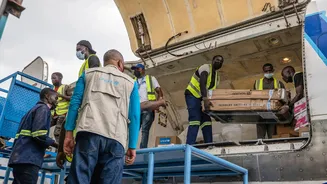
registering over 28,000 cases and claiming more than 11,000 lives, predominantly in Guinea, Liberia, and Sierra Leone. A profound takeaway from this crisis is the absolute necessity of recognizing and reacting to nascent outbreaks with utmost speed. Delayed identification and a sluggish response allowed the pathogen to proliferate extensively. Consequently, enhancing global surveillance mechanisms and ensuring prompt, well-coordinated interventions are paramount to effectively contain epidemics before they spiral out of control. This underscores that the initial moments of an outbreak are critical, and a rapid, decisive response can significantly mitigate the spread and impact of a disease.
Stronger Health Foundations
The regions most severely impacted by the Ebola epidemic grappled with exceptionally fragile healthcare systems. These systems were characterized by a severe deficit in resources, a shortage of trained medical personnel, and underdeveloped infrastructure, making them ill-equipped to handle such a widespread health emergency. This reality strongly emphasizes the critical need for substantial and sustained investment in bolstering national health infrastructures, from primary healthcare services to specialized emergency response capabilities. A resilient health system is not only crucial for delivering routine healthcare but also forms the bedrock of effective preparedness and response during epidemic situations, ensuring the capacity to manage both everyday health needs and extraordinary health crises.
Community Partnership is Key
The successful containment of any public health initiative hinges significantly on the bedrock of community trust and active participation. During the Ebola crisis, widespread misinformation, pervasive fear, and deeply ingrained cultural practices often obstructed containment efforts, highlighting how crucial it is to foster a collaborative environment. Building rapport with local communities, demonstrating respect for their customs and beliefs, and establishing open lines of communication are not merely beneficial but essential. Engaging communities directly ensures that interventions are culturally sensitive and effectively implemented, transforming them from external directives into shared efforts towards a common goal of health and safety.
Global Unity in Health
The Ebola outbreak unequivocally demonstrated that infectious diseases disregard geographical boundaries, necessitating a unified global approach. The crisis highlighted the indispensable nature of coordinated international efforts, involving not just national governments but also global bodies like the World Health Organization (WHO), non-governmental organizations (NGOs), and the scientific research community. Such collaboration is vital for mobilizing essential resources, sharing critical technical expertise, and ensuring equitable access to life-saving treatments and vaccines for all affected populations. This collective action underscores the principle that in the face of global health threats, solidarity and shared responsibility are imperative for effective outcomes.
Innovating for Health
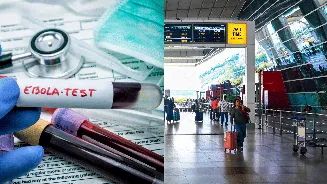
The swift development and subsequent deployment of advanced diagnostics, effective treatments, and life-saving vaccines were instrumental in ultimately gaining control over the Ebola epidemic. This underscores the profound significance of consistent and robust investment in research and development (R&D) specifically focused on emerging infectious diseases. Proactive and ongoing R&D efforts are not just a response mechanism but a long-term necessity for building a resilient global health security framework, ensuring that humanity is better equipped to identify, understand, and counter future health challenges before they escalate into widespread crises.
Addressing Root Causes
The Ebola outbreak had a disproportionately severe impact on vulnerable populations, significantly exacerbating pre-existing socioeconomic disparities and inequalities. This reality brings to the forefront the importance of addressing underlying societal factors that contribute to health crises. Tackling issues such as pervasive poverty, ensuring equitable access to education, and improving basic sanitation infrastructure are crucial components of building long-term resilience against health emergencies. By addressing these foundational socioeconomic determinants, societies can become better equipped to withstand and recover from future health shocks.
Combating Disease Stigma
A significant hurdle encountered during the Ebola crisis was the pervasive stigma associated with the disease. This stigma created substantial barriers, discouraging individuals from seeking necessary medical care and from reporting potential cases, thereby hindering containment efforts. Public health campaigns must therefore be meticulously designed not only to educate about the disease but also to actively challenge and dismantle the stigma surrounding it. Promoting understanding, fostering empathy, and encouraging compassionate responses are vital for ensuring that individuals feel safe and supported in seeking help, which is critical for effective disease control.