






What Are Lawn Grubs?
Lawn grubs are essentially the immature, larval forms of various common insects, with their specific identity often depending on your geographical location.
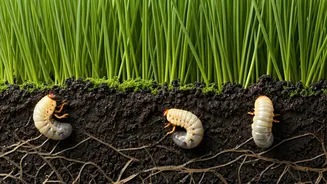
These C-shaped, typically white larvae, measuring about half an inch in length, possess a distinct brown or mottled head and multiple pairs of legs. They are notorious for dwelling in the soil and feasting on grass roots, a behavior that can lead to significant lawn damage if left unchecked. Common culprits include the larvae of Japanese beetles, June bugs, Southern masked chafers, and even crane flies. Their presence underground means that visible damage might not appear until the infestation is quite advanced, making early detection crucial for effective management.
Spotting Grub Infestations
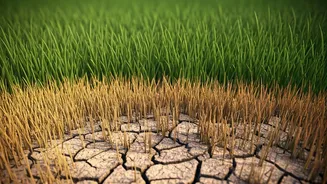
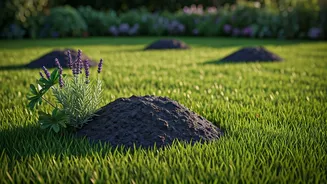
Identifying a grub problem often begins with observing the health of your grass. The most prominent symptom is the appearance of dead or dying patches that turn brown, which can spread across the lawn. Another strong indicator is the unusual behavior of wildlife; an increase in animals like raccoons, skunks, crows, and moles digging in your yard is a classic sign, as they are actively hunting for grubs as a food source. Birds, too, may congregate in large numbers, searching for these underground meals. Physically, you might notice that sections of your turf feel unusually loose or spongy, almost like a carpet, because the grubs have severed the root system, detaching the grass from the soil beneath. This detachment can make it easy to lift large pieces of turf.
Why Grubs Harm Lawns
The primary damage caused by lawn grubs stems from their diet: they consume grass roots. This feeding behavior severely compromises the grass's ability to absorb essential water and nutrients from the soil. Without a healthy root system, the grass weakens, becomes stressed, and eventually begins to die, leading to those unsightly brown patches. However, the problem doesn't stop with the grubs themselves. Their presence acts as a magnet for various predators, such as moles, raccoons, skunks, and certain bird species, all eager to feast on this readily available food source. These animals can cause secondary damage to the lawn through their digging and burrowing activities as they search for the grubs, further exacerbating the decline of your grass.
Grub Damage vs. Other Issues
Distinguishing grub damage from other common lawn ailments is vital, as several issues can present similar symptoms. Problems like fungal diseases, drought stress, sod webworm activity, or even excessive shade can lead to patchy or discolored grass, making it easy to misdiagnose the cause. The key to accurate identification lies in a hands-on approach: literally examining the roots. By cutting out small sections of turf in affected areas, particularly where dead grass is evident, you can physically inspect the soil for the presence of grubs. This direct scouting method is the most reliable way to confirm whether grubs are the culprit behind your lawn's deterioration, rather than assuming it's a disease or environmental factor.
Targeting Adult Insects
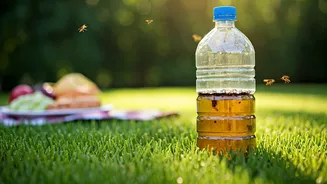
A proactive strategy for managing grub populations involves addressing the adult insects before they lay their eggs. Around midsummer, adult beetles, which are the precursor to grubs, become active, feeding on foliage and preparing to reproduce. By scouting your property during this period and treating these adult populations, you can significantly reduce the number of grubs that hatch and subsequently damage your lawn in the fall. This approach targets the source of the problem by disrupting the life cycle early on, preventing the next generation of root-feeding larvae from emerging and causing harm to your grass. Focusing on the adult stage is an effective way to lessen future grub damage.
Natural Grub Solutions
Fortunately, several eco-friendly methods exist to combat grub infestations without resorting to harsh chemicals. One natural approach involves using milky spore powder, a biological control agent containing a bacterium that specifically targets Japanese beetle larvae, offering a targeted defense. Another effective natural remedy is neem oil. While it doesn't kill grubs directly, neem oil disrupts their ability to survive by interfering with their respiration, making it difficult for them to obtain oxygen and thus promoting their demise. Implementing these natural solutions helps manage grub populations while minimizing harm to beneficial insects and the environment.