

Embrace Gluten-Free Goodness
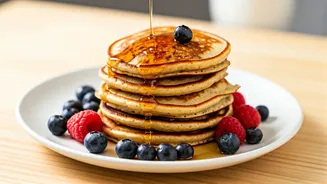
Gluten-free pancakes provide a delightful alternative to traditional recipes. They cater to specific dietary needs, allowing individuals with gluten sensitivities
or celiac disease to enjoy a beloved breakfast staple. Making pancakes without gluten doesn't mean sacrificing flavor or fluffiness. With the right ingredients and method, you can achieve a truly satisfying result. This guide will walk you through everything, making the process both easy and enjoyable, so you can enjoy delicious pancakes that are also good for you. Following these steps and tips can yield delightful pancakes that meet your dietary needs. The possibilities are endless when it comes to the world of gluten-free pancakes!
Essential Ingredients Unveiled
The foundation of great gluten-free pancakes begins with the right ingredients. Gluten-free all-purpose flour is the core, providing structure. Look for blends that include rice flour, tapioca starch, and sometimes potato starch, which closely mimic the texture of wheat flour. Eggs act as a binder and add richness, while milk (dairy or non-dairy) provides moisture. A touch of sweetness from sugar (granulated or alternative sweeteners) balances the flavors. Baking powder is the leavening agent responsible for creating light and fluffy pancakes, and a pinch of salt enhances the overall taste. Optional add-ins, such as vanilla extract or cinnamon, elevate the flavor profile. These ingredients come together to form a breakfast dish that’s easy to create and fun to eat.
Mastering the Pancake Method
The method for making gluten-free pancakes is straightforward. Begin by whisking the dry ingredients together in a large bowl, ensuring that the baking powder is evenly distributed. In a separate bowl, whisk together the wet ingredients (eggs, milk, and any extracts). Gradually add the wet ingredients to the dry ingredients, whisking until just combined – overmixing can lead to tough pancakes. Heat a lightly oiled griddle or non-stick pan over medium heat. Pour ¼ cup of batter onto the hot surface for each pancake. Cook for 2-3 minutes per side, or until golden brown and cooked through, flipping when bubbles form on the surface and the edges set. These pancakes can then be enjoyed alone, or with your favorite toppings.
Enhancing with Variations
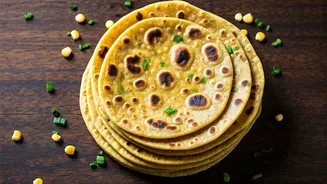
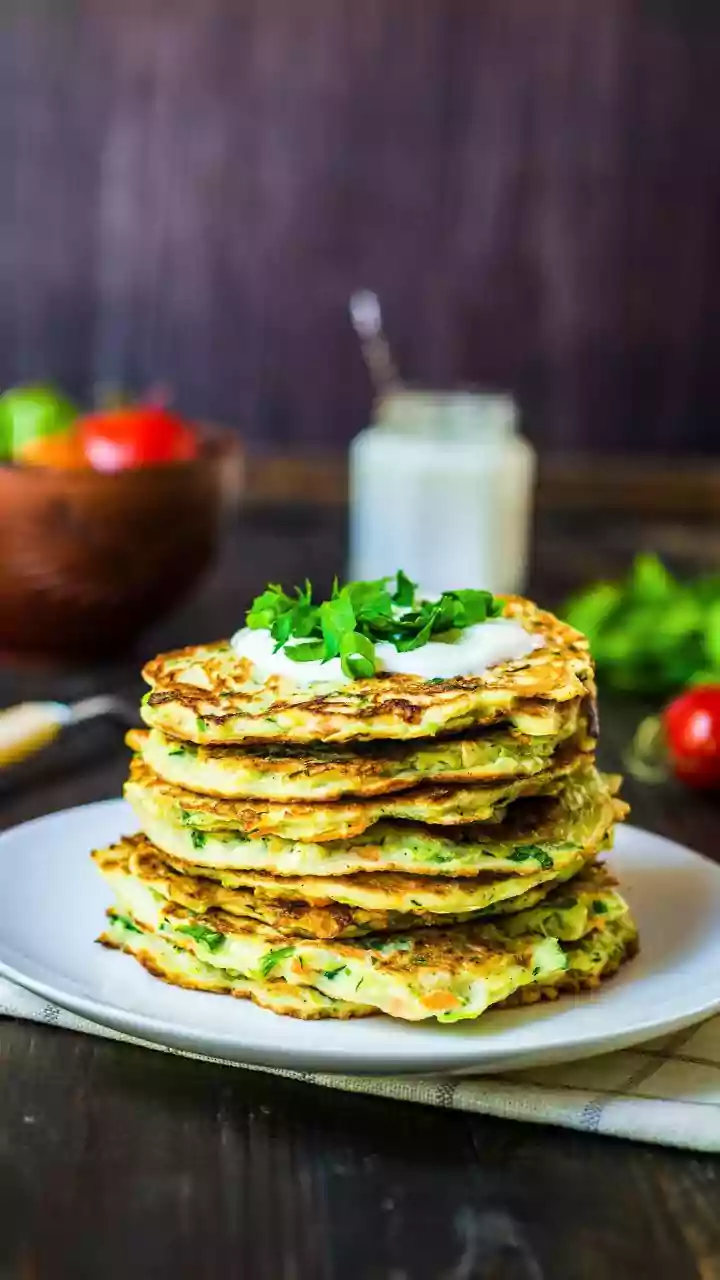
Once you have the basic gluten-free pancake recipe mastered, explore a world of delightful variations. Introduce chocolate chips into the batter for a sweet treat. Add blueberries or strawberries for fresh fruit-infused pancakes. Banana pancakes provide natural sweetness and a moist texture by incorporating mashed bananas into the batter. For a savory twist, consider adding herbs and spices to the batter, like chives and a sprinkle of black pepper, serving them with a dollop of sour cream or a fried egg. Experimenting with different flavor combinations offers endless opportunities to customize your pancake experience, ensuring that every batch is a new adventure in taste and texture. From sweet to savory, the customization options are limitless.
Storage & Freshness Tips
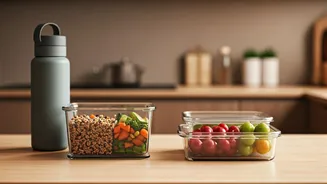
Proper storage is essential to maintain the quality of your gluten-free pancakes. Allow the pancakes to cool completely before storing them. Place a sheet of parchment paper or wax paper between each pancake to prevent them from sticking together. Store the pancakes in an airtight container or a resealable bag in the refrigerator for up to 3 days. To reheat, you can use a toaster, a microwave, or a skillet. For longer storage, freeze the pancakes. Arrange the cooled pancakes on a baking sheet and freeze them individually. Once frozen, transfer them to a freezer-safe bag or container. They can be stored in the freezer for up to 2 months. Reheat the frozen pancakes directly from the freezer using your preferred method. Proper storage helps prevent food waste and always provides a quick, delicious meal.