







The Brain's Role Unveiled
For over sixty years, metformin has been the go-to medication for managing diabetes, primarily understood to work by curbing glucose production in the liver
and through interactions within the gut. However, a recent pivotal study, spearheaded by Makoto Fukuda at Baylor College of Medicine, has illuminated a previously unrecognized, yet crucial, mechanism: metformin's action within the brain. This research challenges the long-held belief that diabetes drugs don't significantly target the central nervous system, proposing that the brain, widely acknowledged as a master regulator of glucose metabolism, plays a far more direct role in metformin's efficacy than previously thought. The study delved into how the brain contributes to the drug's well-established anti-diabetic effects, suggesting that our understanding of this ubiquitous medication might be incomplete.
Targeting the Brain's Control Center
The scientific investigation pinpointed a specific protein within the brain's ventromedial hypothalamus (VMH) as a key player in metformin's action. This region of the brain is vital for controlling appetite and sensing glucose levels throughout the body. Researchers identified Rap1, a protein situated inside these brain cells, as critical for the drug's impact. By manipulating the activity of Rap1 in this specific brain area, the study demonstrated a significant reduction in blood sugar levels when metformin was involved. This discovery highlights the ventromedial hypothalamus as a central hub where metformin exerts its influence, underscoring the intricate connection between brain function and metabolic health.
Experimental Evidence Emerges
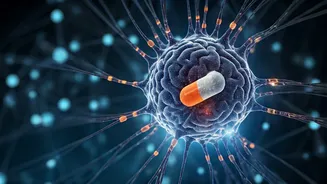
To validate their hypothesis, the research team conducted experiments with genetically modified mice engineered to lack Rap1 in their ventromedial hypothalamus. These mice, fed a high-fat diet to simulate type 2 diabetes, did not show improvements in their blood sugar levels when given standard doses of metformin. This contrasts with other diabetes treatments like insulin and GLP-1 agonists, which remained effective in these mice, suggesting that Rap1's presence is essential for metformin's specific mechanism. In a further critical experiment, metformin was directly delivered into the brains of these diabetic mice. Astonishingly, even at concentrations thousands of times lower than typical oral doses, this direct brain administration led to a noticeable decrease in blood glucose, strongly supporting the idea that the brain is a primary target.
Identifying Key Brain Cells
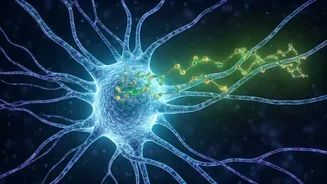
Delving deeper into the cellular mechanisms, the study identified specific types of neurons within the ventromedial hypothalamus that are activated by metformin's presence in the brain. These neurons, known as SF1 neurons, showed increased electrical activity when metformin was administered directly to the brain, indicating their direct involvement in mediating the drug's effects. Crucially, this activation of SF1 neurons only occurred when Rap1 was present. In mice lacking Rap1 within these SF1 neurons, metformin had no discernible effect on blood sugar. This finding solidified the understanding that Rap1 acts as a necessary component for metformin to engage these brain cells and effectively regulate blood glucose levels.
Rethinking Metformin's Action
This comprehensive study fundamentally shifts our perspective on how metformin operates. It’s no longer solely viewed as a drug acting on the liver and intestines; its impact on the brain is now recognized as a significant factor. A compelling aspect of this research is the difference in drug concentration required for efficacy. While the liver and gut necessitate substantial amounts of metformin to respond, the brain exhibits sensitivity to remarkably lower concentrations. This suggests a more direct and potent effect within the brain, opening up exciting avenues for the development of novel diabetes therapies that specifically target this newly identified brain pathway, potentially leading to more effective and personalized treatment strategies.