






The Cocoa Foundation
All chocolate originates from the cacao bean, a seed from the tropical Theobroma cacao tree. Processing this bean yields two main components: cocoa solids,
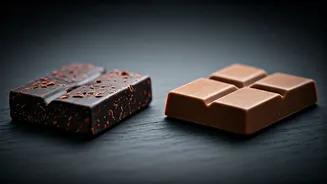
responsible for chocolate's rich, bitter flavor, and cocoa butter, which provides its smooth, melt-in-your-mouth texture. Chocolate is a blend of these cocoa components and sugar. Milk chocolate distinguishes itself by the inclusion of milk powder or condensed milk, altering its composition and taste profile significantly. Dark chocolate, on the other hand, boasts a much higher percentage of cocoa solids, typically ranging from 50% to a substantial 90%, giving it a more intense flavor and distinct nutritional characteristics compared to its milkier counterpart.
Nutrient Breakdown
Due to its higher cocoa solid content, dark chocolate naturally offers a greater quantity of certain essential minerals. For example, a 20-gram serving of dark chocolate (over 60% cocoa) provides more magnesium, iron, and zinc than the same amount of milk chocolate (around 30% cocoa). Dark chocolate also contains more caffeine, though significantly less than a standard cup of coffee. While milk chocolate derives more calcium from its milk solids, it generally comes with a higher load of added sugar. Cocoa itself is a rich source of polyphenols, powerful plant compounds acting as antioxidants that help shield the body's cells from damage. Dark chocolate, with its elevated cocoa levels, consequently contains a greater concentration of these beneficial compounds, particularly flavanols, which are present in roughly five times the amount found in milk chocolate.
Heart Health Links
Research has pointed towards potential benefits of cocoa flavanols, particularly concerning heart health. Studies suggest these compounds may aid in blood vessel relaxation and improve blood flow. Some clinical trials have observed modest reductions in blood pressure and enhancements in blood vessel function following the consumption of cocoa-rich products. Furthermore, broader evidence indicates that diets abundant in flavanols might be associated with a reduced risk of overall cardiovascular disease. However, it's crucial to note that many of these findings are based on trials using concentrated cocoa extracts or specially formulated chocolates, often in doses far exceeding typical consumption. While large reviews have found associations between chocolate consumption and lower risks of cardiovascular issues, stroke, and diabetes, the evidence quality is often rated as weak or very low, primarily due to the observational nature of many studies, which can only highlight correlations rather than prove causation.
Sugar Content Awareness
Despite the potential benefits of cocoa, choosing dark chocolate doesn't automatically guarantee a healthier option, especially concerning sugar content. Some dark chocolate varieties can still contain surprisingly high levels of sugar, with some products reaching 40-50% sugar by weight, depending on their formulation and cocoa percentage. For instance, a 150g dark chocolate Easter bunny with 50% sugar could contain approximately 19 teaspoons of added sugar. This warning also extends to Easter eggs and other chocolate treats. It is always advisable to examine the ingredients list and nutritional panel on product packaging. If sugar is listed as one of the primary ingredients, it signifies a substantial portion of the product's composition.
Making Smart Choices
When selecting chocolate, especially during festive seasons like Easter, consider the cocoa percentage and preparation method. As a general guideline, opt for dark chocolate with 70% cocoa or higher. Always check the ingredients list before purchasing. In higher-quality dark chocolate, cocoa should be listed first, followed perhaps by cocoa powder and cocoa butter, before sugar. A typical high-quality ingredient list might look like: cocoa mass, cocoa powder, cocoa butter, sugar, vanilla. Conversely, a lower-quality product might list sugar first, followed by cocoa mass, cocoa butter, and then emulsifiers or flavorings. Beyond these considerations, choose a chocolate you genuinely enjoy and be mindful of your portion sizes. Remember that your overall dietary pattern plays a far more significant role in health than a few servings of chocolate. Ultimately, the true health benefit of festive chocolate often lies in the simple enjoyment and the experience of sharing it with loved ones.