







The Science of Sound
Many of us experience auditory signals from our joints – the distinct snap of knuckles or the subtle pop of knees. These common sounds are typically not
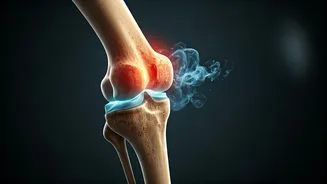
a cause for alarm, according to experts studying joint health. One primary mechanism responsible for that 'crack' is known as cavitation. This phenomenon occurs when gas bubbles form and then rapidly collapse within the synovial fluid that lubricates our joints. This process creates the audible sound we often hear. After such a pop, it takes approximately 20 minutes for this bubble formation process to reset, explaining why you can't immediately crack the same joint again. Other noises can arise from tendons sliding over bony prominences or the subtle grinding of cartilage, a sensation often referred to as crepitus, which can be more noticeable in the knees. These latter sounds might be linked to imbalances in muscle strength or how the kneecap tracks during movement.
Myths vs. Reality
A persistent myth suggests that habitually cracking your joints, like your knuckles, leads to arthritis or other joint damage. However, extensive research, including analyses by joint issue specialists, has consistently shown no correlation between this habit and the development of osteoarthritis, a loss of grip strength, or increased joint laxity. The brief sensation of relief and increased motion felt after a pop is thought to be due to temporary changes in joint position, muscle relaxation, and neurological feedback. While professional spinal manipulation techniques utilize similar mechanisms for short-term pain relief, it's worth noting that procedures involving the neck carry very rare risks. As we age, changes in cartilage and muscle strength can make joint noises more prevalent. While some individuals with knee osteoarthritis and crepitus report slightly increased pain, this is often not accompanied by measurable differences in strength or walking ability, suggesting potential psychological factors at play.
Keeping Joints Healthy
Instead of fearing natural joint sounds or the concept of 'wear and tear,' the most effective strategy for maintaining joint health is consistent physical activity. Cartilage, the cushioning tissue in our joints, thrives on movement as it relies on it for nutrient supply. For conditions like osteoarthritis, exercise is consistently recommended as a first-line treatment, with the regularity of the activity being more important than the specific type. While supplements such as collagen or fish oils are generally safe, there is currently a lack of robust scientific evidence to support their effectiveness in significantly reducing joint noise or pain on a large scale, making their cost often not justifiable. Ultimately, embracing an active lifestyle is one of the most beneficial actions you can take for your joints, regardless of whether they make sounds or remain silent.