


Bridging the Gap
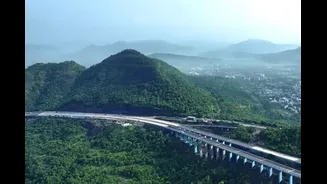
The Mumbai-Pune Expressway, a crucial corridor for Maharashtra, is set to introduce a game-changing 'Missing Link,' a 13.3-kilometer addition that significantly
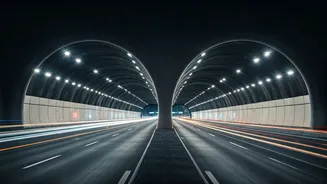
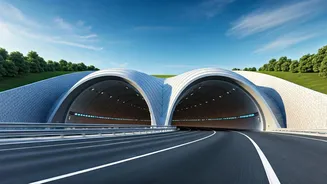
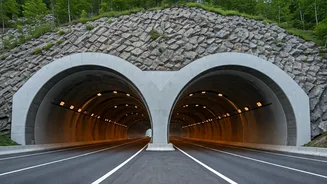
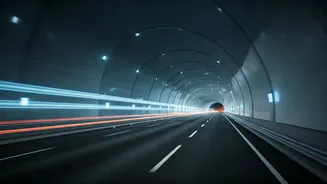
shortens the route by about six kilometers. This new segment bypasses the challenging ghat section, infamous for its winding roads and heavy traffic, especially during the monsoon season. A core element of this development is India's longest twin-tube road tunnel, an engineering feat costing Rs 8,000 crore. This tunnel is designed to streamline traffic flow and substantially reduce the travel duration between Mumbai and Pune. The total length of the existing stretch from Khopoli exit to Sinhgad Institute, currently over 19 km, will be reduced to 13.3 km thanks to this innovative bypass. The elimination of the ghat section alone is expected to shave off an estimated 20-25 minutes from the journey time, marking a substantial improvement for daily commuters and the logistics industry.
Tunnel Tech and Safety
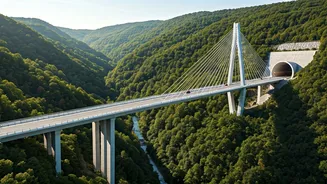
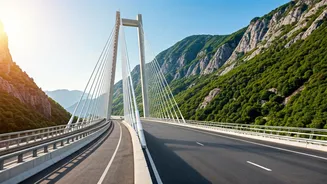
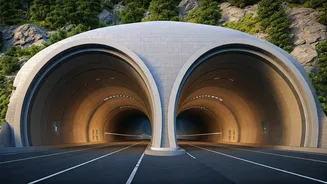
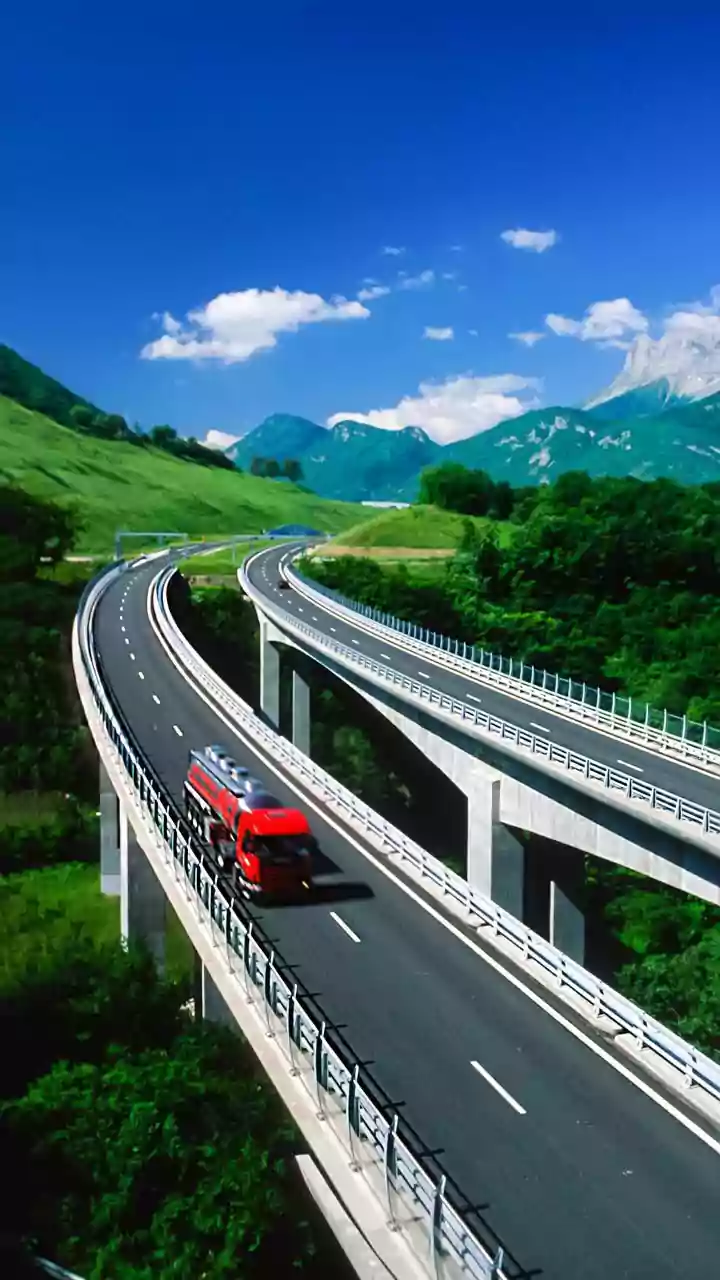
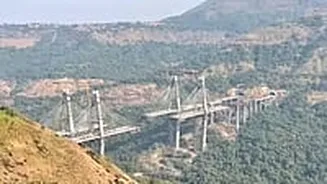
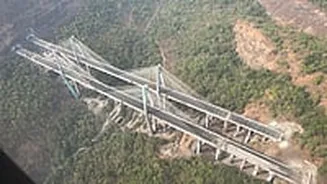
The 'Missing Link' project showcases impressive infrastructure, including twin tunnels totaling 1.75 km and 8.92 km, alongside two eight-lane viaducts measuring 790 meters and 650 meters. These tunnels are engineered with the latest technology to ensure high-speed traffic safety, featuring advanced fire detection and suppression systems, robust ventilation, and readily accessible emergency exits. The eight-lane configuration, with an additional shoulder lane in each corridor, offers more space compared to the existing three-lane expressway. Vehicle stopping is prohibited on this new stretch, mirroring the expressway's rules, to maintain optimal traffic flow. The infrastructure is designed to handle the bulk of traffic, with estimates suggesting it will accommodate over 70 percent of vehicles, initially focusing on cars and passenger buses.
Smart Operations Center
To ensure round-the-clock safety and efficient traffic management on the 'Missing Link,' twin multi-agency control rooms have been established. These nerve centers, staffed 24/7 by personnel from the Highway Police, Maharashtra State Road Development Corporation (MSRDC), and the Regional Transport Office (RTO), monitor the entire stretch via numerous Pan-Tilt-Zoom (PTZ) CCTV cameras. In case of any incident like vehicle stoppages, accidents, or fires, the control room can immediately dispatch appropriate emergency services, including patrol vehicles, ambulances, and fire tenders. The design even allows for response vehicles to utilize the opposite tunnel corridor and connecting passages for swift access to incident sites. Additionally, SOS panic buttons are installed every 250 meters along the route, directly alerting the control room to emergencies. Speed detection will be managed through speed guns deployed at the ends of the 'Missing Link.'
Speed Limits and Enforcement
With the enhanced infrastructure, including the new tunnels and improved road design, there's a focus on revising speed limits. For the initial phase, from May 1 to October 31, light motor vehicles will adhere to a 100 kmph speed limit, while passenger buses and other passenger vehicles will have a limit of 80 kmph. These are consistent with the existing expressway's limits, excluding the ghat section. Heavy vehicles are slated to be permitted from November 1, following a six-month review. The Intelligent Traffic Management System (ITMS) with AI-enabled cameras will be fully operational, issuing challans for speed and lane discipline violations. Vehicles carrying hazardous materials will continue to use the old expressway, maintaining a ban on their passage through the 'Missing Link.'
Safety, Challenges, and Future
While the 'Missing Link' promises a faster and safer journey, authorities acknowledge potential challenges. Managing public curiosity, especially in the initial period, will require awareness campaigns to prevent selfies and unnecessary stoppages. The upcoming monsoon season will rigorously test the new infrastructure and heighten risks associated with high-speed travel. Officials emphasize the 'four Es' of road safety: Education, Enforcement, Engineering, and Emergency Response. The successful implementation of the 'Missing Link' is expected to significantly reduce travel time by at least 30 minutes and boost economic activity, potentially serving as a model for future infrastructure projects nationwide. The project's completion marks a significant step in enhancing connectivity and safety on one of India's busiest expressways.