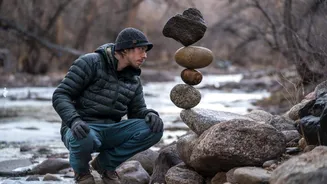








What is Nature Journaling?
Beyond a typical diary or gratitude log, a nature awareness journal is a practice focused on mindful observation of the outdoor world. It involves actively
noticing and recording sensory details encountered while outside – what you hear, smell, feel, see, and even taste. The core idea is to slow down, anchoring yourself in the present environment rather than getting lost in worries about the past or future. This practice isn't about artistic talent or profound insights; it's a method to quiet the mental chatter and foster a deeper connection with your surroundings. Scientific evidence supports the benefits of spending time in nature, including reduced stress, alleviation of anxiety and depression symptoms, enhanced focus, and lower blood pressure. Studies even indicate that a brief immersion in nature can significantly decrease stress hormones, highlighting its potent therapeutic effects.
Getting Started Easily
Embarking on your nature awareness journal journey requires minimal tools: a notebook and a pen suffice. The key ingredient is an open mind and a willingness to truly pay attention to your environment. This practice isn't intended to add another chore to your busy life; quite the opposite. It's about decluttering your mental space, offering a much-needed respite from constant digital bombardment and external demands. By stepping back and simply observing, you allow your mind to rest. This conscious act of observation provides a powerful counterpoint to the relentless influx of information and stimuli that often contribute to feelings of anxiety and overwhelm, creating a sanctuary of calm amidst the chaos.
Sensory Grounding Outdoors
A highly effective method for beginning your nature journaling is the 5-4-3-2-1 sensory grounding exercise, enhanced by an outdoor setting. This technique involves actively engaging your senses to connect with your immediate surroundings. Wherever you are outside, deliberately identify five things you can see, four things you can hear, three things you can touch, two things you can smell, and one thing you can taste. Documenting these observations forces your brain to shift focus from anxious thoughts to the present moment. With consistent practice, you'll begin to notice subtle details you previously overlooked, training your perception to 'look' rather than just 'see'. This rewiring helps to detach from rumination and anchors you firmly in the 'now'.
Discover Your Sit Spot
A wonderfully simple yet profound technique is finding your 'sit spot.' Choose a single location in nature, whether it's a park bench, a quiet corner under a tree, or even a patch of grass in your own garden, and commit to returning there regularly. The power of this method lies in its repetition. By revisiting the same spot, you'll witness how the environment evolves – the changing light throughout the day, the subtle shifts in sounds across seasons, and even your own fluctuating moods. This practice cultivates a deep awareness of presence. Unlike simply walking through a familiar space with a preoccupied mind, sitting with the intention to observe and record transforms the experience, allowing you to truly inhabit the moment and absorb the world around you.
Embrace Digital Disconnection
One of the most challenging yet crucial aspects of nature journaling is intentionally leaving your phone behind. The constant presence of our devices, even when tucked away, divides our attention, making full sensory engagement nearly impossible. When your mind anticipates notifications, it's difficult to immerse yourself in the natural world. For your journaling excursions, whether to your sit spot or for a grounding exercise, consider leaving your phone at home or, at the very least, activating airplane mode and storing it out of sight. This initial discomfort is a signal that your brain is adjusting to a reduction in external stimulation. Allow yourself time to acclimatize; the quiet will soon feel less like an absence and more like a deeply desired reprieve.
Finding Daily Serenity
Nature awareness journaling offers a straightforward pathway to escaping the cacophony of modern life and discovering tranquility amidst constant demands. This practice provides the restorative break we all inherently need. Scientific backing confirms nature's profound impact on reducing stress, enhancing focus, regulating breathing, and improving emotional well-being. Like any new habit, starting small is key. Commit to dedicating even a few minutes each day to this practice. Grab a notebook, step outside, and observe. The anticipated outcome is a feeling of profound relaxation, making this simple, accessible tool an incredibly rewarding endeavor for managing anxiety.