




Energy and Fullness Explained
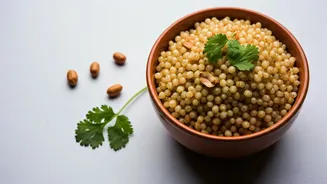
Sabudana khichdi, especially when enhanced with peanuts, emerges as a superb choice for kickstarting your day. The tapioca pearls (sabudana) are a fantastic
source of easily digestible carbohydrates, offering a rapid energy boost that helps you feel alert and ready to tackle your morning tasks. This quick energy release is precisely what many seek to avoid that sluggish start. Complementing the sago, peanuts bring a significant amount of plant-based protein and healthy fats. These components are crucial for promoting a feeling of satiety, meaning you'll feel fuller for a longer duration, which helps in curbing those pesky mid-morning snack cravings. This combination of quick energy and sustained fullness creates a well-rounded nutritional profile, ensuring your body is fueled efficiently without the crash often associated with less balanced breakfasts. It’s a culinary synergy designed to keep you engaged and active throughout your morning, supporting both mental focus and physical stamina, making it an ideal staple for busy individuals.
The Preparation Process
Crafting a perfect bowl of sabudana khichdi with peanuts involves a few key steps, primarily centered around proper soaking and gentle cooking. Begin by rinsing the sabudana pearls thoroughly under running water until the water becomes clear. This washing step is crucial for removing excess starch, which can otherwise lead to a sticky final dish. Following this, the sabudana needs to be soaked. A typical soaking period ranges from 4 to 6 hours, or for optimal results, overnight. The goal is for the pearls to become soft, plump, and easily separable, indicating they have absorbed enough moisture. Once soaked and drained, the cooking process is straightforward. Gently sautéing cumin seeds and finely chopped green chilies in a bit of ghee or oil forms the aromatic base. Boiled potato cubes are then added and cooked briefly before introducing the soaked sabudana. It's vital to mix everything gently to keep the pearls distinct. Crushed roasted peanuts are stirred in, and the mixture is cooked on low heat for about 5-7 minutes until the sabudana turns translucent. A final touch of lemon juice and chopped coriander leaves brightens the flavors, completing this wholesome dish that’s ready to be savored.
Nutritional Powerhouse
The synergy between sabudana and peanuts transforms this simple dish into a powerhouse of balanced nutrition. Sabudana, the primary ingredient, is a readily available source of carbohydrates, which are the body's preferred fuel for immediate energy. This makes it an excellent choice for a breakfast that needs to power you through the morning. However, it's the addition of peanuts that elevates the nutritional profile significantly. Peanuts are celebrated for their rich content of plant-based protein, essential for muscle repair and growth, and also a key factor in promoting satiety. Furthermore, they provide healthy monounsaturated and polyunsaturated fats, which are beneficial for heart health. Beyond macronutrients, peanuts contribute vital micronutrients such as magnesium, phosphorus, and B vitamins. When combined, sabudana and peanuts create a meal that supports sustained energy release, aids in maintaining muscle mass, and contributes to overall well-being. This thoughtful combination ensures that your breakfast is not just filling but also deeply nourishing.
Enhancing Your Khichdi
To further enrich your sabudana khichdi experience and boost its nutritional value, consider incorporating a variety of additions. Integrating finely chopped vegetables like capsicum, carrots, or green peas during the cooking process introduces valuable fiber, vitamins, and a delightful crunch, making the dish more wholesome and visually appealing. For an extra protein punch that aids in prolonged fullness, consider adding small cubes of paneer or an additional sprinkle of roasted peanuts. To amplify the mineral content and introduce interesting textures, sprinkling in seeds such as sunflower, pumpkin, or sesame seeds is an excellent strategy. These additions contribute nutrients without making the dish heavy. For an explosion of fresh flavor, a generous amount of chopped coriander leaves and a squeeze of lemon juice are indispensable; they naturally brighten the taste and add a lively zest. Finally, subtle spices like black pepper, roasted cumin powder, or a hint of grated ginger can add layers of flavor, keeping the dish exciting and delightful while preserving its core nourishing essence, making each spoonful a balanced delight.