

The Perils of Transit
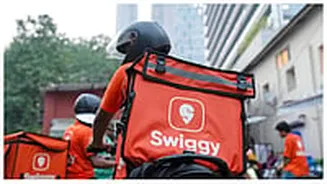
Delivering food is a modern marvel, but the journey from kitchen to your table presents inherent challenges. Foods that rely on delicate textures, like
crisp coatings or al dente noodles, are particularly vulnerable. As food sits in a sealed container, trapped steam can turn crispy elements soggy and overcook sensitive ingredients. The very qualities that make a dish shine when fresh can deteriorate significantly during transit. Understanding these dynamics is key to making smart takeout choices, ensuring your meal arrives enjoyable rather than disappointing.
Fried Foods' Fate
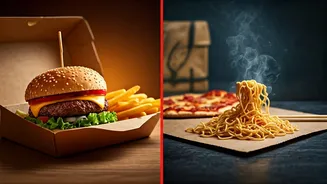
Foods that depend on a brittle, crackly exterior are highly susceptible to the moisture generated in delivery containers. The steam trapped inside quickly softens even the most expertly fried items. Crispy chicken wings, for instance, can transform from delightfully crunchy to disappointingly limp, especially if they're not coated in a thick, sticky sauce. Similarly, french fries and onion rings lose their appealing crispness, becoming soggy and unappetizing. While thicker-cut fries or wedges might fare slightly better due to their fluffier interiors, the fundamental issue of trapped steam remains. To salvage these items, a quick reheat in an oven or air fryer at home is often necessary, turning your takeout into a mini-cooking project.
Delicate Dishes Suffer
Precisely cooked items and those reliant on fresh, crisp components often don't fare well during delivery. Steaks and chops, cooked to specific internal temperatures, can continue to cook unpredictably in transit, leading to overcooked meat. Pre-sliced items also tend to become cold and unappealing. Salads, meant to be vibrant and texturally diverse, can become wilted and under-seasoned if not assembled carefully. Delicate noodles, like those in ramen, are especially problematic; even when packed separately, they can become mushy or clump together. Risotto, too, loses its creamy, flowing texture, becoming stiff and dense. Creamy pasta dishes, such as carbonara or Alfredo, can have their silky sauces thicken into a sticky mass as residual heat continues to cook the noodles and emulsify the sauce.
Smart Choices for Delivery
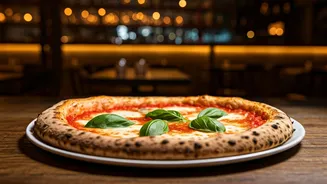
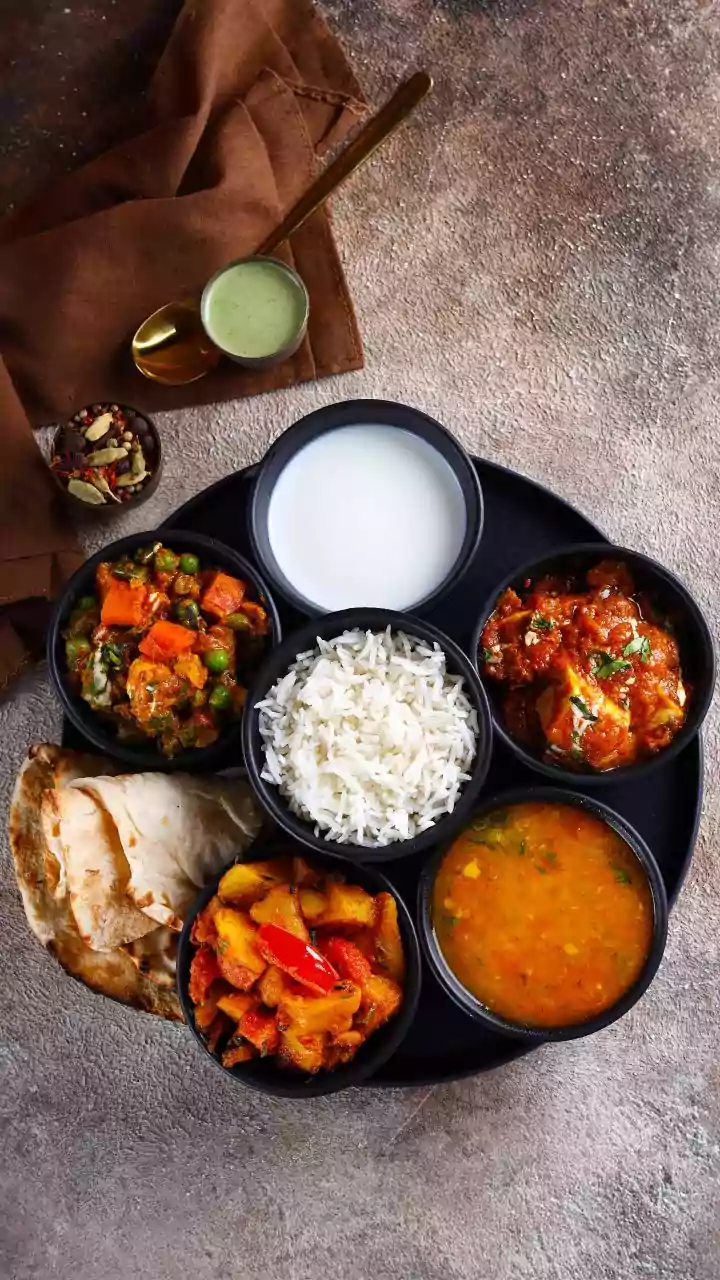
Fortunately, many dishes are inherently suited for the journey. Hearty braises like short ribs or beef rendang, and flavorful soups (without delicate noodles), often deepen in taste with a little travel time. Curries and dals, with their stable, soft textures and bold spices, are remarkably forgiving and reheat well. Fried rice and lo mein, cooked quickly over high heat, tend to hold their structure better than brothy noodle dishes. Grain bowls and hearty salads, especially when components like dressing are packed separately and built with sturdy greens or roasted vegetables, also travel commendably. Pizza, particularly sturdier styles, can also tolerate the trip, with the crust setting as it cools.
Maximizing Your Takeout
Even when ordering dishes that are known to travel well, a few practices can enhance the experience. For items that might lose some crispness, like fried foods, opening the containers immediately upon arrival allows trapped steam to escape, and a quick reheat can help restore texture. Saucy or starchy dishes that may have tightened up can often be revived by gently reheating with a splash of liquid. While these interventions might require a bit of home kitchen effort, they can significantly improve the final enjoyment of your takeout meal, transforming a potentially disappointing experience into a satisfying one.