





The Cost of Connection
A recent girls' night out highlighted a stark reality: what used to be spontaneous fun has transformed into a complex financial calculation. An evening
that might have involved a dimly lit jazz bar, casual car-side shawarma, or a trendy new spot now feels dictated by budget. The friend who suggested shawarma wasn't being difficult; she was between jobs, a silent constraint that shifted the group's plans from a vibrant outing to a cozy night in. This subtle financial divide reveals a broader trend where social gatherings are no longer just about shared interests but also about matching financial capacities. The unspoken metric of 'cost-per-hour' and the need for Splitwise calculations turn a simple night out into an exercise in expense management, making spontaneous meetups a relic of the past.
Defining Third Spaces
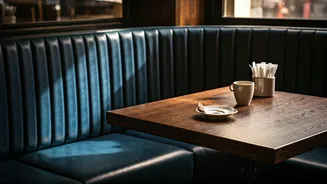
The core issue isn't a lack of desire for social plans; it's the absence of suitable places to make them happen. Third spaces are crucial because they represent environments outside of home and work, places where one can simply exist without obligation. These were venues that didn't demand reservations, a specific look, a pre-set budget, or even a defined purpose. They were the democratic hubs where genuine connection could flourish organically. Think of iconic fictional spots like Central Perk from 'Friends' or Luke's Diner from 'Gilmore Girls.' These were not luxurious establishments but accessible, unpretentious locations that fostered community and allowed people to be their authentic selves.
Examples of Third Spaces
Cities have historically offered their own unique takes on these vital social hubs. In Delhi, places like 4S are institutions—unpretentious, dimly lit havens with strong drinks and a welcoming, communal atmosphere where familiarity thrives. Mumbai boasts Gokul in Colaba, a noisy, inexpensive, and profoundly democratic spot that embodies a similar chaotic energy. Bangalore’s Pecos is a prime example of an old-school pub where time seems to slow down, inviting lingering conversations and a relaxed pace. These kinds of venues, often characterized by sticky tables, no-frills service, and a genuine sense of belonging, are increasingly rare. They facilitated interactions that were not about status or expense, but about shared humanity and accessibility.
The Erosion of Spontaneity
The modern social landscape has shifted dramatically towards curated experiences. Spontaneity, once a hallmark of casual get-togethers, has become an expensive endeavor. Planning now involves intricate logistics: booking, splitting bills meticulously, and Ubering across town, often prolonging stays simply to justify the initial outlay. This shift subtly reshapes our friendships, leading to an unconscious gravitation towards individuals with similar spending habits. We find ourselves frequenting the same restaurants, bars, and vacation spots, creating an illusion of alignment that might actually be a reflection of shared financial capacity rather than deep compatibility. This commodification of social interaction risks eroding the very foundation of friendship, replacing genuine connection with transactional convenience.
The Impact on Relationships
When friendships are primarily built on access and shared spending power, the question arises: what truly sustains these bonds? The disappearance of third spaces has profound implications for social democracy, removing the barriers that once facilitated diverse connections. These were places where individuals from all walks of life could converge, where economic, emotional, or social disparities faded. Without them, interactions can become performative, even dating becomes less organic. We communicate through screens, overthinking messages rather than engaging in effortless conversation. This lack of genuine, low-stakes environments may contribute significantly to the perceived loneliness epidemic, as the organic opportunities for meaningful interaction have been systematically dismantled.
Reclaiming Social Connection
The path forward involves a conscious effort to revive and champion 'third spaces.' By actively seeking out and supporting accessible, community-oriented venues, we can begin to rebuild the foundations of genuine social connection. This means prioritizing environments that foster casual conversation, encourage low-stakes flirting, and facilitate real-time presence. It could even mean reimagining how we connect, moving away from digital interfaces that often serve as buffers. Perhaps it's time to abandon platforms like Hinge and revisit local bars, embracing the possibility of organic encounters. The goal is to create spaces where connection is not the intended outcome but a natural byproduct of simply being together, fostering relationships built on substance rather than shared expense.